
Keeping a dog clean, happy, and well-trained can be challenging, especially when outdoor potty breaks aren’t always convenient. Rain, snow, or a hectic work schedule can make walking your pup outside impractical — and that’s where indoor potty solutions come in.
Indoor dog potty setups aren’t just a convenience; they’re a sanity-saver. With the right system, you can prevent accidents on your carpet, protect your furniture, and give your pup a designated spot to relieve themselves safely. In this guide, we’ll explore 10 genius indoor dog potty ideas, detailing how they work, why they’re effective, and tips for teaching your dog to use them reliably.
Why Indoor Dog Potty Solutions Are a Must for Modern Dog Owners
Indoor potty solutions are more than just a luxury. Dogs, especially puppies, senior pets, or those recovering from surgery, may not be able to hold it through long periods outside. Certain breeds are also prone to stubborn bladder habits, making indoor solutions a practical necessity.
Using an indoor potty system reduces stress for both pet and owner. Instead of constantly worrying about accidents, you’ll have a controlled, hygienic area where your dog can relieve themselves. These systems also make potty training easier and more consistent, since your pup knows exactly where they’re allowed to go.
Indoor dog potty setups are especially helpful for apartment dwellers or urban dog owners who don’t have easy access to a yard. Even a small balcony can be converted into a safe potty space with the right materials and design.
1. Real Grass Pads for a Natural Feel
For dogs who prefer the outdoors, real grass pads provide a familiar texture that encourages proper potty habits. These pads are usually made from live grass, grown hydroponically in a tray system. The natural scent attracts your dog and reduces confusion about where to go.
Place the grass pad in a quiet, accessible spot. For smaller spaces, trays can fit into a laundry room corner or near a balcony. Change the grass regularly to prevent odors and maintain hygiene. Some grass pads even come with drainage trays for easy cleaning.

2. Artificial Grass Pads for Low Maintenance
If maintaining real grass feels overwhelming, artificial grass pads are a fantastic alternative. Made from durable synthetic fibers, these pads mimic the look and feel of real grass but require much less upkeep.
Artificial grass pads often come with absorbent layers underneath that channel liquid into a tray, preventing puddles and protecting your floors. These pads are ideal for small apartments, cold climates, or households without yard access.

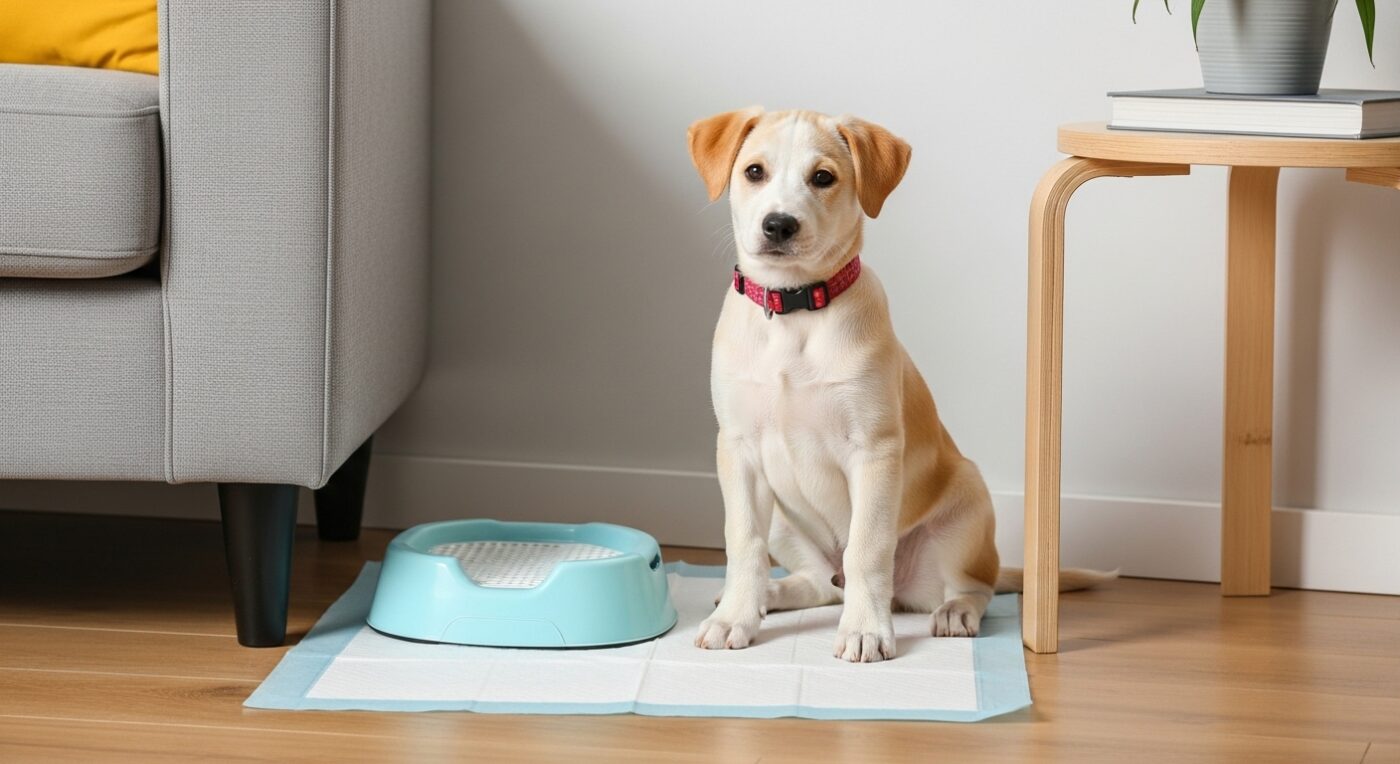
3. Pee Pads With Training Attractants
Traditional pee pads have been a favorite for decades, and modern versions now include attractant scents that encourage dogs to use them reliably. These pads are especially useful for puppies learning bladder control.
To maximize success, keep the pad in the same location consistently and praise your dog immediately after use. Pee pads are lightweight and disposable, making them convenient for travel or temporary setups.
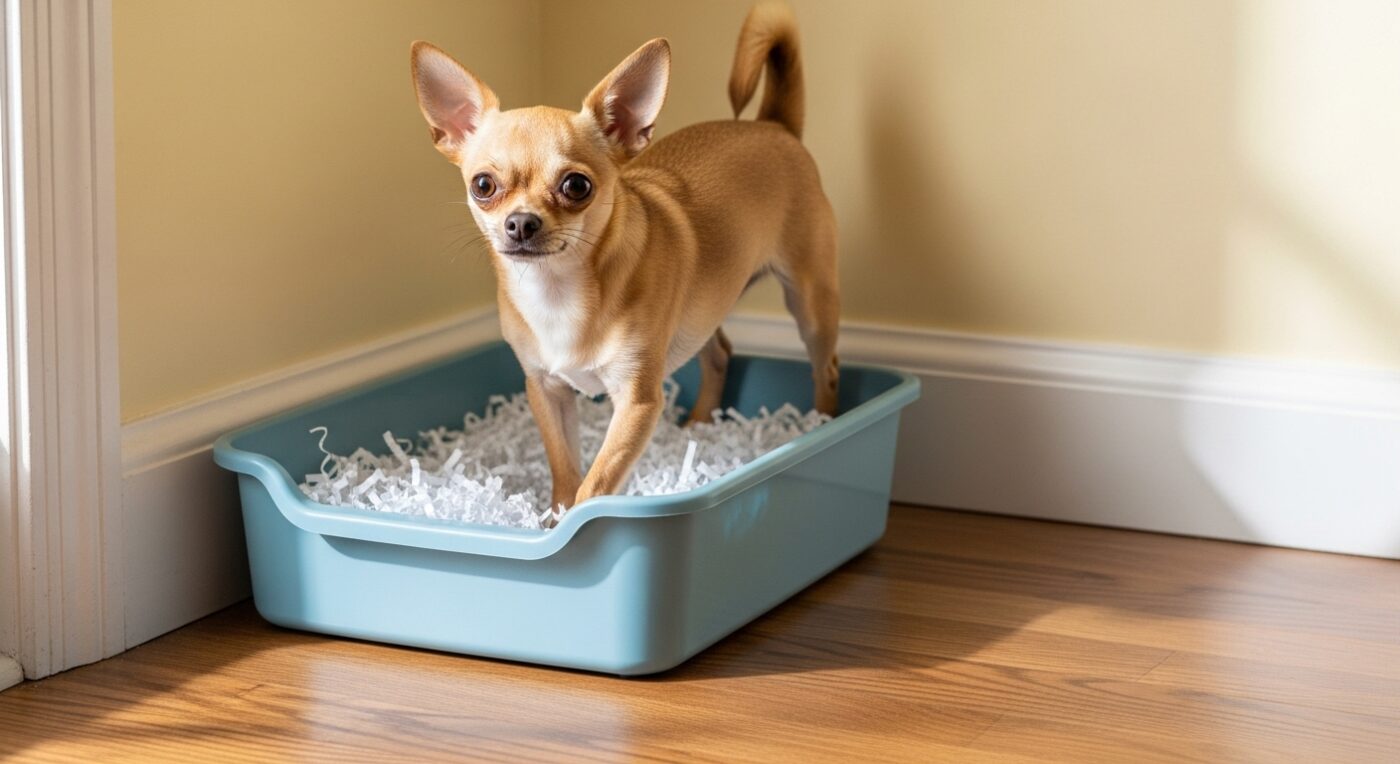
4. DIY Litter Boxes for Small Breeds
Small dog breeds can benefit from a DIY litter box system, similar to cat litter boxes. Use absorbent pellets, artificial turf, or shredded paper to create a comfortable potty surface. The small size ensures your pup isn’t overwhelmed and makes cleaning simple.
Place the box in a quiet area, away from food and sleeping spaces. Regular cleaning is crucial to prevent odor and encourage consistent use.
5. Balcony Conversion Potty Area
If you live in an apartment with a balcony, it can be converted into a mini outdoor potty area. Use grass pads, turf, or even a shallow tray with artificial turf. Enclose the area with a small fence to ensure safety, especially for high-rise apartments.
Adding a roof cover or awning can protect the area from rain, making it usable year-round. This approach allows your dog to feel like they’re outside, reducing the stress associated with indoor elimination.

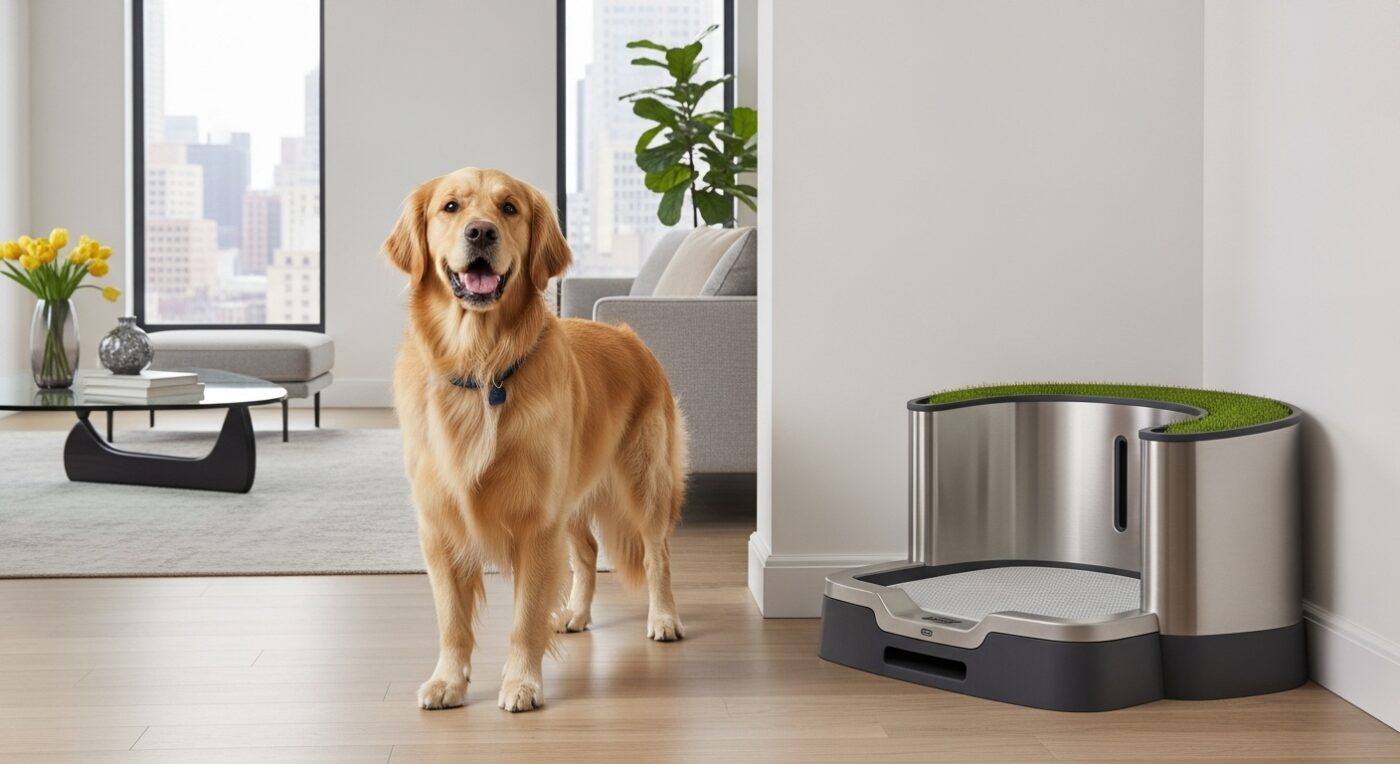
6. Odor-Controlling Indoor Dog Toilets
Odor is one of the biggest concerns for indoor potty setups. Indoor dog toilets often feature layered absorbent pads, antimicrobial surfaces, and built-in drainage trays. These designs ensure that urine is quickly channeled away, reducing smell and bacteria buildup.
Regular maintenance is key: swap pads, rinse trays, and allow surfaces to air-dry. Many systems are compact and fit easily in a bathroom, laundry room, or spare corner.
7. Training Your Dog to Use a Specific Area
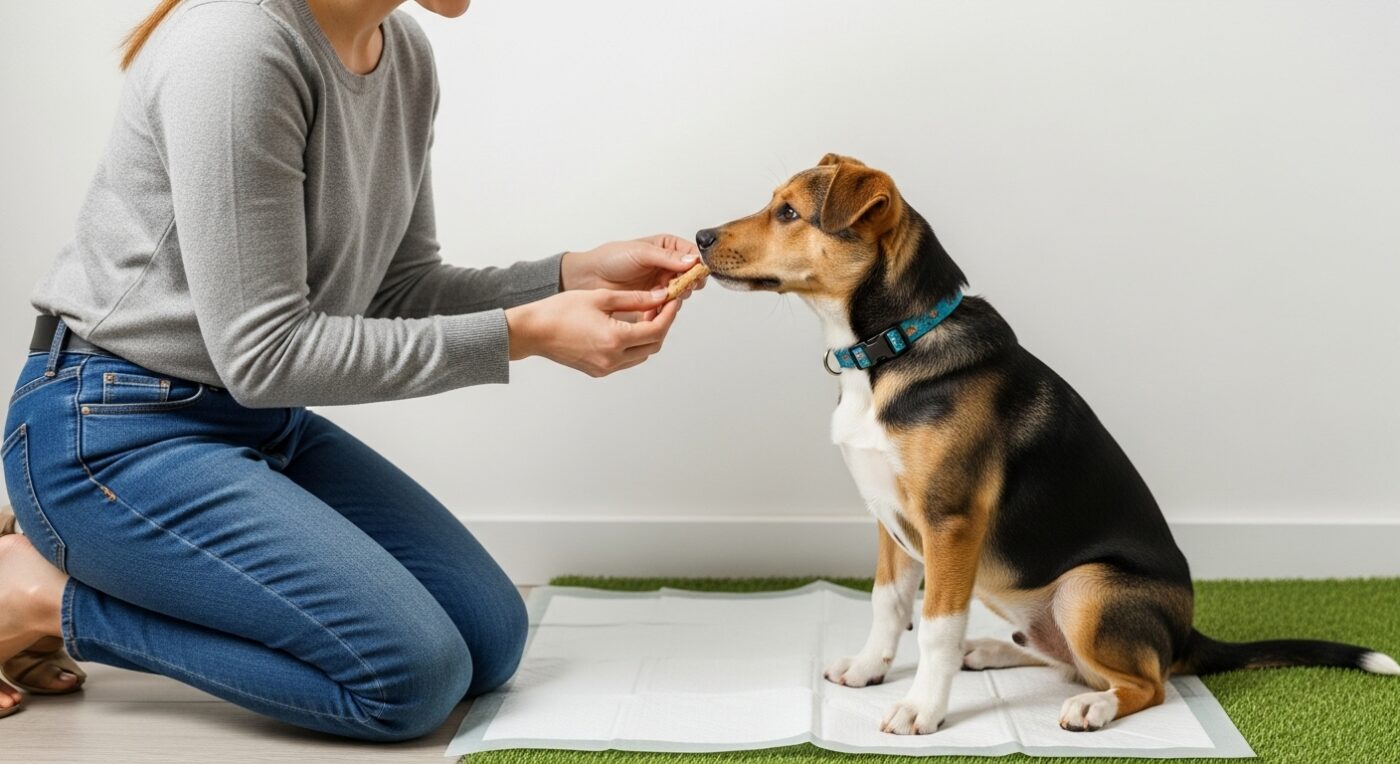
No matter which potty solution you choose, training is critical. Use consistent commands like “go potty,” and reward your dog with praise or treats immediately after successful elimination.
Start by confining your dog to a smaller area with the potty setup, gradually increasing freedom as they become reliable. Puppies may need more frequent reminders, while older dogs benefit from patience and encouragement.
8. Towel or Paper Roll Mats for Temporary Solutions
For emergency or travel situations, towel or paper roll mats can be a quick fix. Lay absorbent materials in a confined area, encouraging your dog to use them during short-term situations. While not ideal for permanent use, they’re helpful for unexpected weather, car trips, or hotel stays.

9. Incorporating Scent Markers to Guide Your Dog
Dogs rely heavily on scent to navigate their environment. Placing a few drops of dog-safe urine attractant or familiar scents on your indoor potty area helps guide them consistently. This technique is particularly useful for stubborn dogs who are hesitant to adopt indoor elimination spots.

10. Multi-Pup Indoor Systems for Shared Spaces
Households with multiple dogs benefit from multi-pup indoor potty systems. Larger trays, multiple pads, or sectioned turf areas accommodate different dogs at the same time, reducing accidents and competition.
Ensure each dog has access and space to feel comfortable. Observe interactions to prevent stress or territorial behavior around the potty area.

Maintaining Hygiene and Safety
Consistency and cleanliness are key to the success of any indoor potty setup. Wash or replace pads regularly, disinfect trays and surfaces, and monitor for any signs of skin irritation or infection.
Regularly inspect your dog’s behavior and health; changes in urination frequency, color, or consistency may indicate medical issues requiring a vet visit.
FAQ
Q1: How long does it take to potty train a dog indoors?
Training duration depends on age, breed, and consistency. Puppies may take 4–8 weeks, while older dogs may adjust in a few days with positive reinforcement.
Q2: Are grass pads better than pee pads?
Grass pads offer a natural texture and scent, which some dogs prefer, while pee pads are more convenient for disposal. Many owners combine both during the transition.
Q3: Can older dogs learn to use indoor potty systems?
Yes, with patience and consistent training, even senior dogs can adopt indoor potty habits, especially if mobility or health limits outdoor access.
Q4: How do I prevent odor from indoor potty areas?
Use absorbent trays, change pads regularly, clean with pet-safe disinfectants, and consider systems with built-in odor control.
Q5: Are indoor potty systems suitable for all dog breeds?
Most breeds can adapt, but size, temperament, and health play a role. Smaller or medium breeds are often easier to train, but large dogs can also adjust with appropriately sized setups.