

For millions of people around the world, the dream of owning a dog often clashes with one major problem — allergies. Sneezing, watery eyes, and constant sniffles can turn what should be a joyful experience into a daily struggle. But here’s the good news: hypoallergenic dogs make it possible for allergy sufferers to finally enjoy the love and companionship of a furry friend without the constant discomfort.
In 2025, more people than ever are turning to allergy-friendly dog breeds, not just because of their low-shedding coats but also because of advances in grooming, diet, and air quality care that make pet ownership easier than ever before.
If you’ve always wanted a dog but dreaded the allergic reaction that comes with it, keep reading — here are seven scientifically backed reasons why hypoallergenic dogs are perfect for allergy sufferers in 2025, plus how to make your home even more pet-friendly.
1. They Produce Less Dander — The True Source of Allergies
Contrary to popular belief, it’s not dog hair that triggers most allergies — it’s dander, the tiny flakes of skin shed by your pet. Dander carries a protein called Can f 1, which is the main cause of allergic reactions in humans.
Hypoallergenic dogs, such as Poodles, Bichon Frises, and Maltipoos, naturally produce less dander and shed less overall, making them far easier on your immune system. Their tight, curly coats trap dander instead of releasing it into the air, which means fewer allergens floating around your home.
Regular grooming, brushing, and occasional baths further minimize the spread of dander, creating a cleaner environment for allergy-prone families.

2. Minimal Shedding Keeps Your Home Cleaner
If you’ve ever owned a dog that sheds heavily, you know how frustrating it can be — fur on the couch, clothes, and carpets everywhere. Hypoallergenic dogs, however, are low-shedding breeds, which helps keep your home cleaner and reduces allergens significantly.
Breeds like the Portuguese Water Dog or the Miniature Schnauzer shed minimally throughout the year, which means less hair buildup and fewer allergens clinging to household surfaces.
This low-maintenance quality is one of the biggest reasons families and individuals with mild allergies are turning to hypoallergenic breeds in 2025. The result? A cleaner home, cleaner air, and fewer sneezing fits.

3. Hypoallergenic Breeds Adapt Well to Modern Lifestyles
The lifestyles of dog owners are changing. In 2025, more people are working remotely or living in smaller apartments, and they need pets that adapt easily to indoor living. Hypoallergenic breeds like Cavapoos, Shih Tzus, and Yorkipoos fit perfectly into this lifestyle because they are compact, calm, and require moderate exercise.
Additionally, hypoallergenic dogs thrive in environments with air purifiers, HEPA filters, and modern cleaning tools that help reduce allergens — all common household items today. They’re not just allergy-friendly; they’re urban-friendly too.
So, whether you live in a city apartment or a suburban home, you can enjoy the companionship of a dog without worrying about constant allergy flare-ups.

4. Improved Breeding Practices in 2025 Make Them Healthier
Over the years, breeders have become more focused on producing dogs that not only look adorable but also have strong immune systems and minimal allergenic impact. Thanks to responsible breeding programs and genetic testing, 2025’s hypoallergenic dogs are healthier, more consistent, and even more allergy-friendly than before.
This improvement isn’t just about lowering allergens — it’s also about reducing inherited health issues like skin irritation, respiratory problems, and poor coat quality, which often contribute to shedding and dander.
If you’re adopting or purchasing a hypoallergenic breed, look for reputable breeders certified by organizations like the American Kennel Club (AKC) or Hypoallergenic Breeders Association to ensure ethical and health-conscious breeding.

5. Allergy-Friendly Dogs Are Easier to Groom and Maintain
While all dogs need care, hypoallergenic breeds are generally easier to maintain for allergy sufferers. Their coats don’t release fur into the air, and their grooming routines — though regular — keep allergens under control.
Bathing every two to three weeks with a gentle, vet-approved shampoo can significantly reduce allergens. Trimming their coat helps keep skin healthy and prevents trapped dander from accumulating.
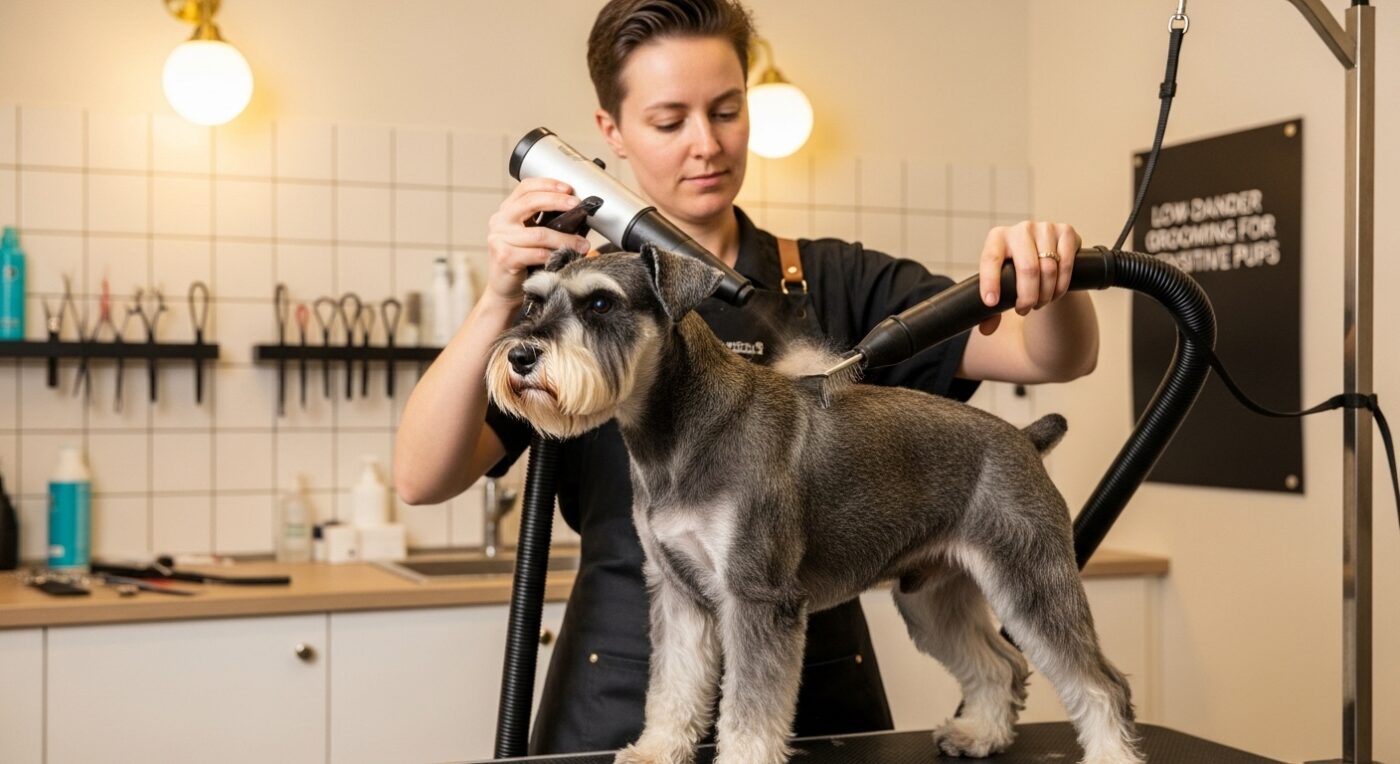
Professional groomers also understand how to handle hypoallergenic coats, often using anti-dander solutions and air filters during sessions. For allergy-prone owners, this grooming consistency can be a game-changer.
6. They’re Perfect for Families with Sensitive Kids
For parents with children who have allergies, bringing home a dog can feel risky. But hypoallergenic breeds offer the perfect middle ground. Breeds like Goldendoodles, Labradoodles, and Soft-Coated Wheaten Terriers are known for their loving temperament and allergy-safe coats.
These dogs tend to shed less saliva, dander, and fur — the three main allergy triggers. Their playful but gentle personalities also make them excellent companions for kids learning to care for pets responsibly.
In fact, many pediatric allergists recommend starting with smaller or mixed hypoallergenic breeds to see how children react before committing long-term. With proper hygiene and air care, most kids can enjoy a healthy bond with their four-legged best friend.

7. Modern Pet Care Technology Makes Allergy Control Easier Than Ever
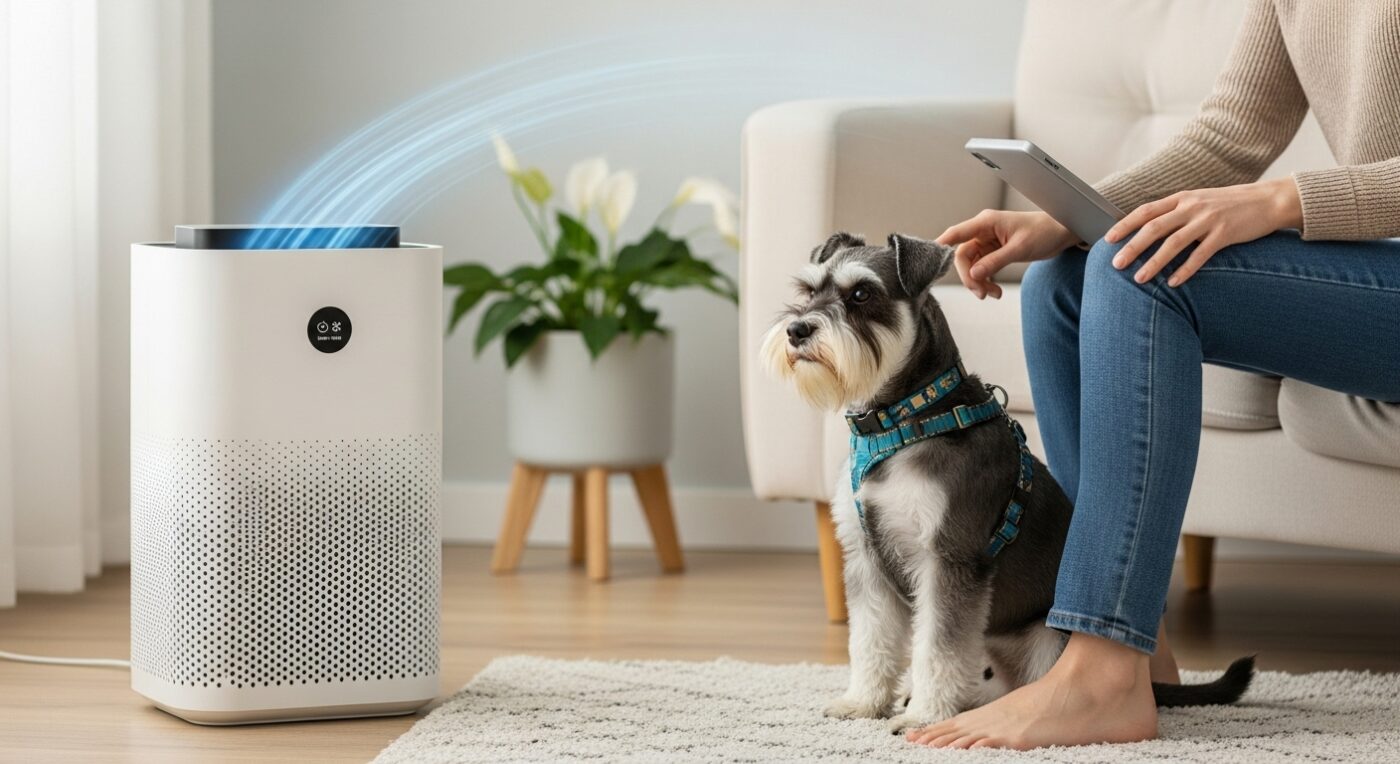
In 2025, living with a dog while managing allergies is easier than ever. Modern pet care has evolved — from advanced air purifiers with smart allergen sensors to robot vacuums that target pet hair, and hypoallergenic pet shampoos that neutralize proteins causing reactions.
Even dog food has improved. Many premium hypoallergenic diets now contain omega-3 fatty acids, probiotics, and vitamins that support healthy skin, reducing excess dander from the inside out.
When paired with proper grooming and vet visits, these innovations make owning a hypoallergenic dog nearly allergy-free for most people. It’s the perfect blend of love, science, and technology for today’s pet owners.
Conclusion: A Healthier, Happier Future with Hypoallergenic Dogs
Allergies shouldn’t stop you from experiencing the joy of a loyal canine companion. Hypoallergenic dogs have opened doors for millions of allergy sufferers who once believed pet ownership was impossible.
In 2025, with healthier breeding, advanced grooming tools, and smarter home technology, having a dog no longer means constant sneezing or watery eyes. From their loving nature to their allergy-safe coats, these dogs make the perfect partners for clean, comfortable, and stress-free living.
If you’ve been waiting for the right time to adopt, now might be it — your allergy-friendly best friend is out there, ready to fill your home with love and joy.
FAQ Section
Q1: What does “hypoallergenic dog” actually mean?
A hypoallergenic dog is a breed that produces fewer allergens such as dander, saliva, and fur, making it less likely to trigger allergic reactions in sensitive individuals.
Q2: Are hypoallergenic dogs completely allergy-free?
No dog is 100% allergy-free, but hypoallergenic breeds release significantly fewer allergens, making them much easier for allergy sufferers to live with comfortably.
Q3: What are the best hypoallergenic dogs for families in 2025?
Some of the best breeds include Poodles, Goldendoodles, Maltipoos, and Portuguese Water Dogs — all known for being friendly, intelligent, and allergy-friendly.
Q4: How can I reduce allergens even further at home?
Regular grooming, vacuuming with HEPA filters, using air purifiers, and feeding your dog a healthy diet can greatly reduce allergens and improve indoor air quality.
Q5: Are mixed breeds like Labradoodles really hypoallergenic?
Yes, many mixed breeds inherit the low-shedding coat of their Poodle parent, making them suitable for allergy sufferers — but results vary, so testing is recommended before adoption.