
When it comes to finding a pet that won’t trigger sneezing fits, many people turn to “hypoallergenic dogs.” The term sounds like a dream come true — a fluffy, friendly companion that won’t make your eyes water or your nose itch.
But here’s the truth: there’s no such thing as a 100% hypoallergenic dog. While some breeds may produce fewer allergens, all dogs shed dander, saliva, and oils that can trigger allergic reactions. Yet, myths about “allergy-free dogs” continue to circulate online and even among breeders.
This article separates fact from fiction, breaking down the most common misconceptions about hypoallergenic dogs — and what you really need to know before bringing one home.
Myth #1: Hypoallergenic Dogs Don’t Cause Allergies
It’s a comforting thought — that you can simply pick a “hypoallergenic breed” and be safe from allergies. Unfortunately, that’s not how it works.
Dog allergies aren’t caused by fur itself but by a protein called Fel d 1 and Can f 1, found in a dog’s saliva, urine, and skin flakes (dander). Even hairless breeds like the Chinese Crested produce these proteins.
The reason some breeds seem more tolerable for allergy sufferers is because they shed less dander or hair, reducing how much of the allergen circulates in your home. But even minimal shedding doesn’t mean zero allergens — just fewer of them.

Myth #2: Dogs with Hair Instead of Fur Are Allergy-Free
Many people believe that dogs with hair — such as Poodles, Maltese, or Bichon Frises — are completely safe for allergy sufferers because their coats are more “human-like.”
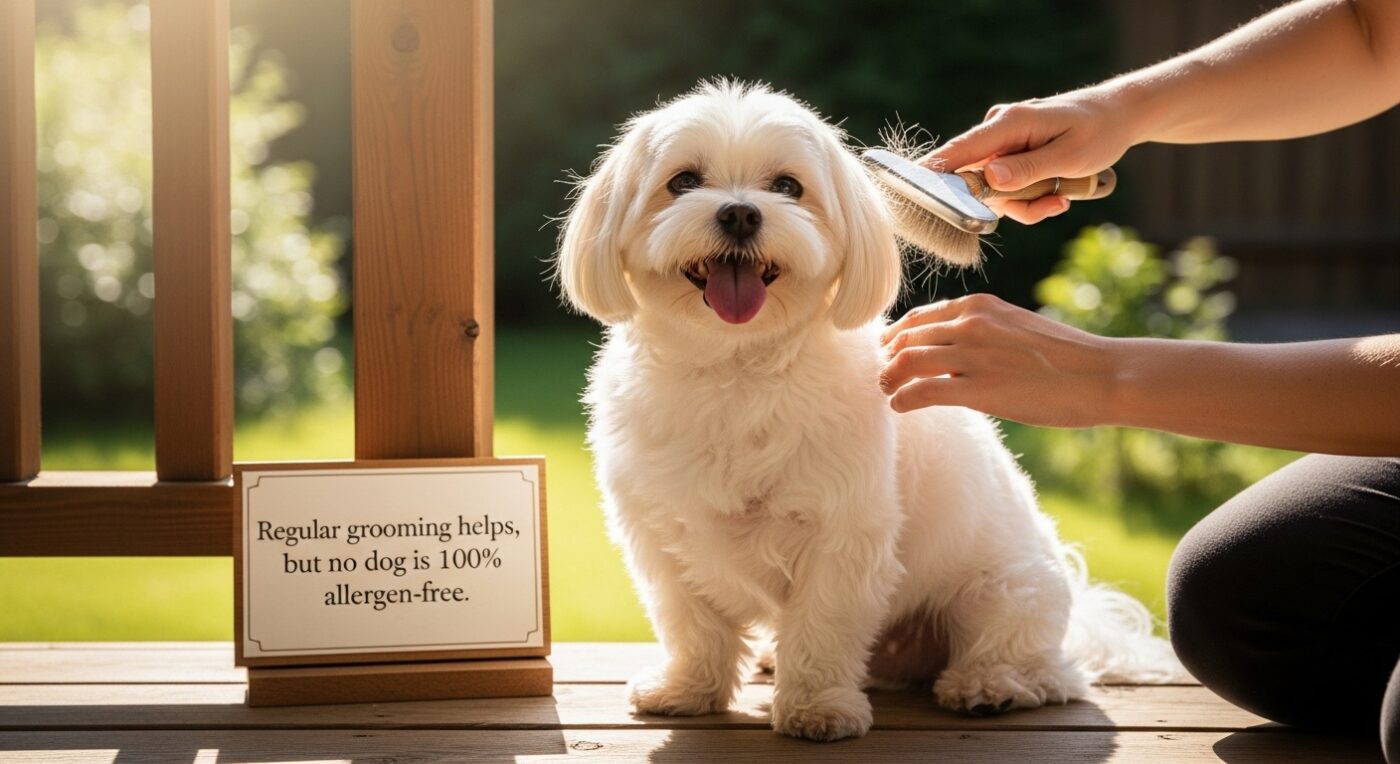
While these breeds tend to trap dander in their curly hair, making it less likely to float through the air, they still produce allergens in their saliva and skin oils. Regular grooming helps minimize the spread, but no coat type can eliminate allergens entirely.
In fact, frequent brushing or bathing can release more dander into the air temporarily, which is why it’s crucial to groom your pet in a well-ventilated area or outdoors.
Myth #3: Small Dogs Don’t Trigger Allergies as Much as Big Dogs
At first glance, this seems logical — less dog means fewer allergens, right? Not necessarily. Allergies aren’t about the dog’s size but how much allergenic protein they produce and shed.
Some small breeds like the Shih Tzu or Yorkie can cause just as strong reactions as larger dogs. What’s more important is how often they’re bathed, brushed, and how clean your home environment is.
That said, smaller dogs may still be easier to manage in terms of cleaning and grooming frequency, which might help reduce overall allergen buildup over time.

Myth #4: You Can Eliminate Dog Allergies with Air Purifiers or Cleaning
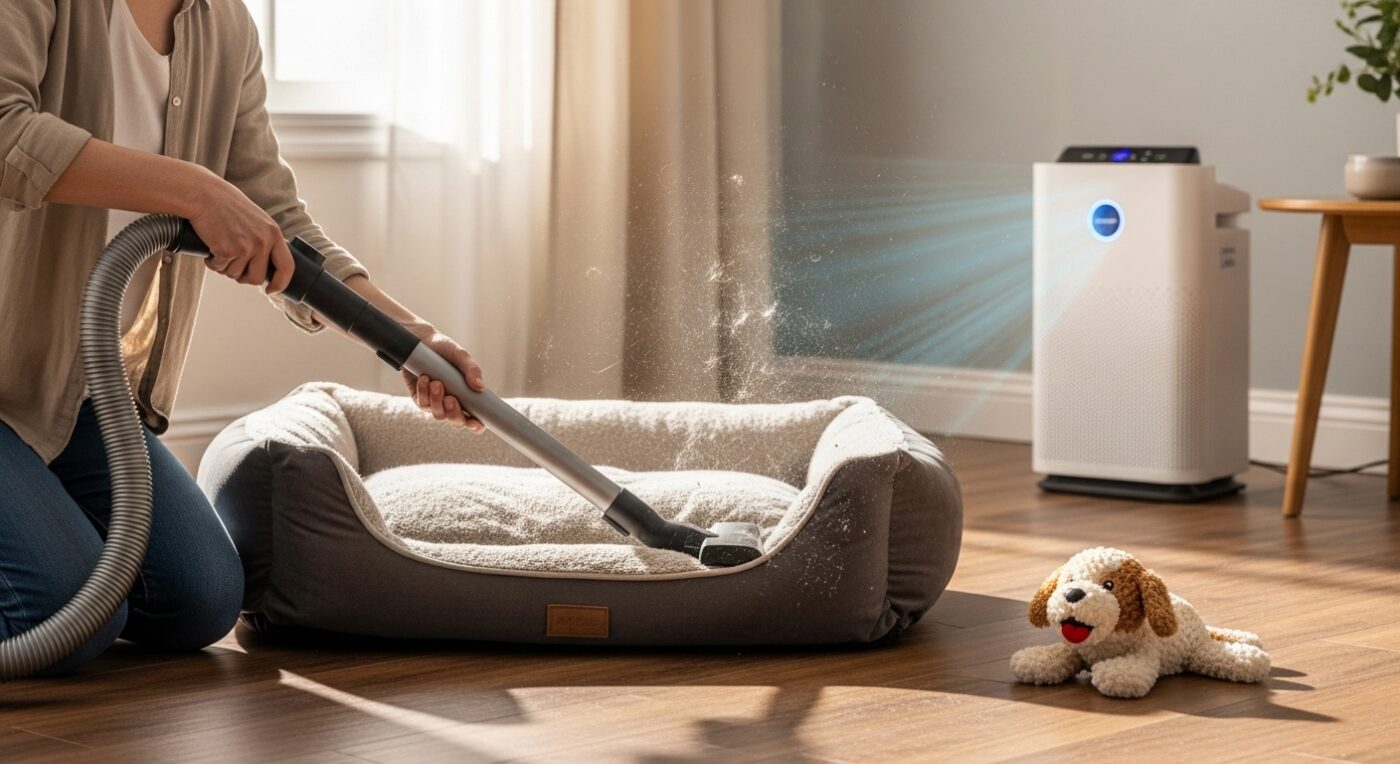
While keeping your home clean is essential, no vacuum or air purifier can fully remove allergens. Dog proteins are microscopic — they cling to fabric, carpets, and even walls.
Cleaning helps reduce exposure, but allergens can linger for months. HEPA filters, frequent vacuuming, and washing bedding do help significantly, but managing allergies is about reducing exposure, not eliminating it.
If you or a family member have severe dog allergies, speak with an allergist. They may suggest allergy immunotherapy or antihistamines to help you live more comfortably with a pet.
Myth #5: You Can Build “Immunity” to Dog Allergies Over Time
It’s common to hear owners say, “I got used to my dog.” In reality, while mild allergy sufferers might notice fewer symptoms as their body adjusts, this isn’t true immunity.
In fact, long-term exposure can worsen allergic reactions. Some people even develop asthma or chronic sinusitis over time. Allergy tolerance varies from person to person, and what seems manageable for one could be dangerous for another.
If you have mild allergies, it’s best to work closely with both your vet and your doctor. They can help you find a balance — managing symptoms while still enjoying life with your furry friend.

Myth #6: All Hypoallergenic Breeds Are Low-Maintenance
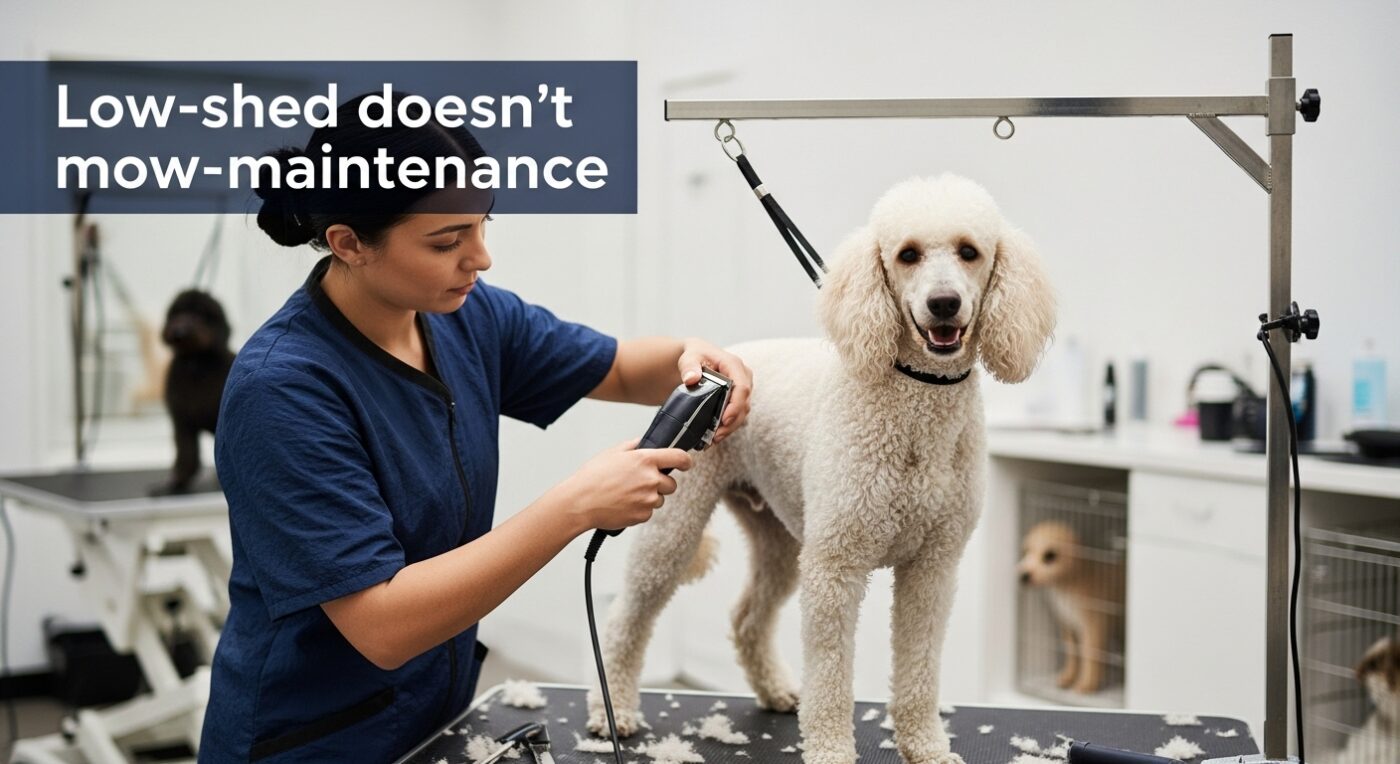
Ironically, many so-called hypoallergenic breeds require more grooming than others. Breeds like Poodles, Portuguese Water Dogs, and Bichons have hair that grows continuously, meaning they need frequent trims and daily brushing to prevent matting.
If neglected, their coats trap dust, dirt, and dander — the very allergens you’re trying to minimize. So while they might shed less, they demand consistent upkeep.
The good news? Regular grooming not only helps your dog look and feel great but also keeps allergens under control when done properly.
The Science Behind Dog Allergies
Dog allergies stem from the immune system’s overreaction to certain proteins found in dogs. These proteins can stick to fur, carpets, and clothing, making them hard to avoid. When inhaled or touched, your immune system treats them as harmful, triggering symptoms like sneezing, coughing, watery eyes, and skin irritation.
Research from the American College of Allergy, Asthma & Immunology shows that exposure to multiple dogs early in life might reduce the risk of allergies later — but for adults who already have sensitivities, prevention and management are key.
Understanding the science helps owners take practical steps, such as improving ventilation, investing in air filtration, and scheduling consistent grooming routines.
Choosing the Right Dog if You Have Allergies
While there’s no truly hypoallergenic dog, some breeds tend to cause fewer allergic reactions. Poodles, Schnauzers, and Bichon Frises are often recommended because their coat type traps dander. However, every individual dog is different, even within the same breed.
Before adopting, spend time with the specific dog you’re considering. Visit shelters or breeders multiple times to test your reaction. This hands-on approach is far more reliable than choosing a breed based on reputation alone.

How to Reduce Allergens and Stay Comfortable
Living with dog allergies doesn’t mean giving up your dream of pet ownership — it just means being smart about it. Maintain a strict cleaning routine, wash your dog’s bedding regularly, and use a HEPA air purifier in main living spaces.
Groom your dog frequently, and bathe them with an allergen-reducing shampoo recommended by your vet. Keep dogs out of the bedroom if possible, and choose flooring that’s easy to clean, like tile or hardwood.
Remember, a clean environment benefits both you and your furry friend.

FAQ
1. Are hypoallergenic dogs real?
No dog is 100% hypoallergenic. Some breeds shed less dander and hair, which can help allergy sufferers, but all dogs produce allergens in their saliva, skin, and urine.
2. Which dog breeds are best for people with allergies?
Poodles, Schnauzers, and Bichon Frises are popular choices since they shed less. Still, each person’s allergic sensitivity is unique, so testing exposure before adoption is crucial.
3. Can bathing my dog more often reduce allergies?
Yes, regular baths (every 2–4 weeks) with vet-approved shampoos can help minimize dander and reduce allergen buildup in the home.
4. Can allergy shots help dog owners?
Allergy immunotherapy can desensitize your immune system over time, reducing symptoms. Talk to your allergist to see if it’s right for you.
5. What if I already own a dog and discover I’m allergic?
Before making big decisions, try environmental changes — frequent cleaning, using air purifiers, and creating pet-free zones in your home. Many owners successfully manage allergies this way.
Conclusion: Living Comfortably with the Truth
The idea of a “hypoallergenic dog” isn’t a total myth — but it’s not the whole truth either. Some breeds may indeed be easier for allergy sufferers to live with, yet no dog is completely allergen-free.
What really matters is how you manage your environment, your health, and your pet’s grooming routine. With the right care and realistic expectations, you can absolutely share your home — and your heart — with a loving dog, even if you’re prone to allergies.
After all, a little sneezing is a small price to pay for unconditional love and a wagging tail.