When you bring a large dog into your home, you’re welcoming a loyal, powerful, and often surprisingly gentle companion. But owning a big dog also comes with one major responsibility that’s easy to overlook: providing the right kind and amount of exercise.
Unlike smaller breeds, large dogs have unique physical structures and energy patterns. They need enough activity to stay healthy — but not so much that their joints and bones become strained. Striking this balance is the key to helping your giant pup live a long, strong, and joyful life.
Whether you share your home with a playful Boxer, a graceful Great Dane, or an energetic Labrador Retriever, understanding your dog’s exercise needs will help prevent common health problems, reduce anxiety, and strengthen the bond between you both.
Why Exercise Is So Important for Large Dog Breeds
Big dogs may look tough, but they’re not invincible. Regular, moderate exercise is essential for maintaining healthy joints, strong muscles, and a well-balanced temperament. Because large breeds grow quickly and carry more weight, they’re especially prone to conditions like hip dysplasia, arthritis, and obesity.
Without enough movement, your dog can develop stiffness, joint pain, or behavioral problems like chewing, barking, or digging out of boredom. Physical activity doesn’t just strengthen their body — it helps regulate hormones, improve mood, and enhance cognitive health.
For large breeds, exercise is not a luxury — it’s medicine. A consistent routine keeps them calm, content, and less likely to act out.
How Much Exercise Does a Large Dog Need Each Day?
Every large breed is different, but most need at least 60 to 90 minutes of physical activity daily. However, intensity and frequency should depend on your dog’s age, health, and breed type.
For example, working dogs like German Shepherds and Labrador Retrievers thrive with a mix of endurance and mental challenges, while gentle giants like Mastiffs or Great Danes do better with shorter, less intense sessions.
Puppies should never be overexercised — their joints are still forming, and too much running or jumping can cause lifelong damage. Adults need consistent routines to prevent muscle loss, while seniors benefit from slower, low-impact activities like swimming or leisurely walks.
The best rule? Let your dog’s body language guide you. If your pup is panting heavily, slowing down, or lying down mid-walk, it’s time for a break.
The Best Types of Exercise for Large Dog Breeds
Exercise doesn’t have to mean sprinting around the park for hours. What matters most is balance, variety, and safety. Here’s how to keep your large dog active and happy — without overdoing it.
1. Daily Walks That Challenge the Body and Mind
A long, steady walk is the foundation of any exercise routine for large dogs. Aim for two 30–45-minute walks per day, adjusted for your dog’s stamina and temperature.
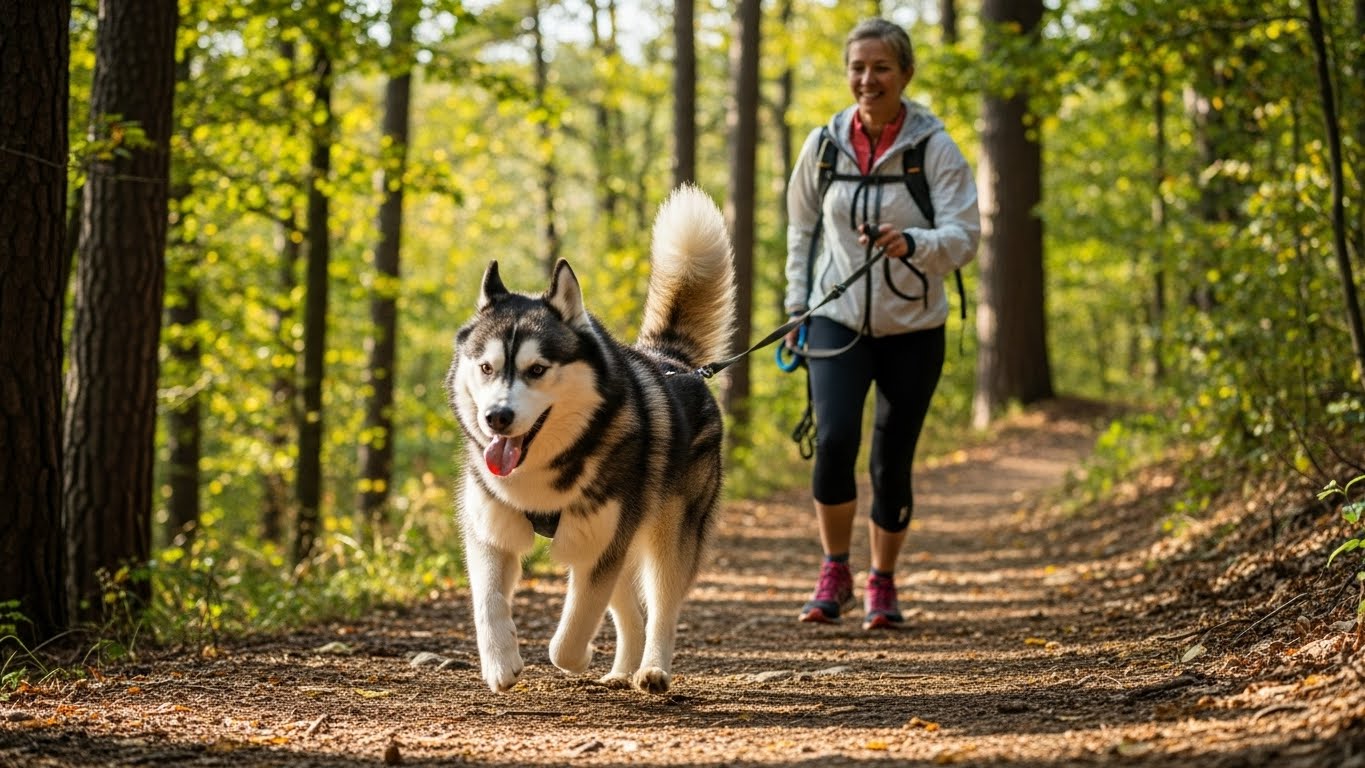
To make walks more stimulating, vary your route, let your dog sniff around safely, and include mild inclines or grassy areas that engage different muscle groups. Using a properly fitted harness helps reduce strain on the neck and shoulders — especially for strong pullers like Boxers or Huskies.
If your schedule allows, early morning and late afternoon walks are ideal for avoiding heat and keeping your pup energized.
2. Swimming: A Joint-Friendly Full-Body Workout
Swimming is one of the safest, most effective exercises for large breeds. It builds endurance and muscle strength without putting stress on the joints.
Many retrievers, Labs, and Newfoundlands love the water instinctively. Even if your dog is new to swimming, start slow with a calm lake or pet-friendly pool. Always supervise them and use a canine life jacket for safety.
Hydrotherapy is also a fantastic option for dogs recovering from surgery or dealing with arthritis — it offers therapeutic movement while supporting weight evenly.
3. Playtime: Fetch, Tug, and Agility Fun
Interactive play keeps your dog both mentally and physically fit. A simple game of fetch works wonders, especially when played in a fenced backyard or open field.
Tug-of-war helps strengthen neck and shoulder muscles but should be controlled — teach your dog to release the toy on command to avoid rough play.
For intelligent breeds like Border Collies or Dobermans, agility courses or puzzle-based games add the mental challenge they crave. Setting up tunnels, jumps, or obstacle paths in your yard is a fun way to channel their energy constructively.
4. Hiking and Outdoor Adventures
If you love the outdoors, your large dog can be the perfect adventure partner. Hiking offers natural resistance training as your pup navigates uneven terrain.
Start with short, easy trails, gradually increasing difficulty as your dog builds stamina. Always bring plenty of water, take rest breaks, and check paws for injuries after each hike.
Avoid rocky paths for puppies and older dogs, as repeated impact can stress developing or aging joints.
5. Mental Stimulation Matters Too
Exercise isn’t just about movement — it’s about engagement. Large breeds are often intelligent working dogs bred for tasks like guarding, retrieving, or herding. Without mental stimulation, they can quickly become restless or destructive.
Incorporate activities like scent work, obedience training, or treat puzzles into their daily routine. Ten minutes of problem-solving can tire out your dog as effectively as a long walk.
You can also teach new commands or introduce enrichment toys that make them “work” for their rewards. This keeps their minds sharp and spirits high.
Signs Your Large Dog Is Getting Too Much or Too Little Exercise
Finding the right balance is key. Both overexercising and underexercising can lead to health issues.
Dogs that get too little activity often gain weight, appear anxious, or engage in unwanted behaviors like chewing or barking. On the other hand, overexercised dogs might limp, pant excessively, or become lethargic.
Watch for subtle cues: stiffness after rest, hesitation to climb stairs, or lagging behind on walks. These are early signs of fatigue or joint strain. Adjust activity levels accordingly, and never ignore sudden changes in mobility or enthusiasm — they often signal pain or injury.
The Role of Diet and Rest in Exercise Recovery
Even the best workout routine won’t help if your dog isn’t properly nourished or rested. Large breeds burn a lot of energy and need high-quality diets rich in protein, omega-3s, and essential vitamins to support muscle repair and joint health.
After exercise, give your dog at least an hour to rest before eating to prevent bloating — a serious condition common in deep-chested breeds. Provide a cool, quiet spot where they can stretch and relax.
Rest days are just as important as active ones. Allowing the body time to recover helps build endurance and prevents long-term injuries.
Tailoring Exercise to Your Dog’s Life Stage
Puppies, adults, and seniors all have different exercise requirements, and tailoring routines to their life stage is essential.
Puppies should have short bursts of activity several times a day, focusing on play and gentle walks rather than long runs. Overexertion during growth can lead to orthopedic issues.
Adult dogs need consistency — a mix of cardio, play, and mental stimulation. As your dog reaches senior age, reduce intensity but maintain regular movement to keep joints flexible and muscles strong.
Regardless of age, every exercise session should end positively. Praise, affection, or a healthy treat reinforces good habits and strengthens your bond.
Conclusion: Strong Bodies, Happy Hearts
Large dogs are loyal companions who give everything they have — energy, protection, and love. Keeping them active and healthy is one of the greatest gifts you can offer in return.
Regular, balanced exercise keeps their hearts strong, joints limber, and minds sharp. It prevents boredom, curbs destructive habits, and extends their quality of life.
Whether it’s a gentle evening walk or a splash in the lake, what matters most is that you move together. Every step, every game, every wag is a reminder that exercise isn’t just about fitness — it’s about connection.
So grab that leash, step outside, and make every day an adventure your big dog will cherish.
FAQs About Exercise Needs for Large Dog Breeds
How much daily exercise does a large dog really need?
Most large dogs need around one to one and a half hours of exercise per day, but intensity should depend on their age and health. Young, energetic breeds need more active play, while older dogs benefit from gentle walks and swimming.
Can too much exercise harm my large dog?
Yes. Overexercising can cause joint strain, exhaustion, or even heatstroke. Signs include limping, stiffness, and excessive panting. Always monitor your dog and allow proper rest between activities.
Is swimming good exercise for large dogs?
Absolutely. Swimming builds muscle and improves cardiovascular health while reducing impact on joints. It’s one of the best workouts for big breeds prone to arthritis or hip dysplasia.
When is the best time to exercise my large dog?
Early morning or evening walks are best, especially in warmer weather. Avoid high heat and hard pavement during the day to prevent overheating or paw pad injuries.
What are low-impact exercises for older large dogs?
Gentle walks, slow swimming, and light play sessions indoors are ideal. Always consult your vet before changing your senior dog’s exercise routine.