
When you see your dog joyfully digging in the yard, you might feel torn between amusement and frustration. Sure, it’s adorable—but not when it leaves your lawn looking like a minefield. The truth is, digging is natural canine behavior, and instead of trying to stop it completely, you can redirect that energy into a designated dog digging zone.
Creating a special digging area satisfies your dog’s instincts, protects your garden, and provides daily mental stimulation. Whether you have a spacious backyard or a small patio, there’s a way to design a digging spot that fits your home—and your dog’s personality.
Here are 10 jaw-dropping dog digging area ideas that are practical, stylish, and guaranteed to make your pup’s tail wag like crazy.
1. The Classic Dog Sandpit
Every dog deserves a personal sandbox, and this simple yet brilliant idea is the foundation of a perfect digging space. You can use a wooden frame, plastic kiddie pool, or even an old tire as the base. Fill it with child-safe sand or loose soil that’s gentle on paws.
To make it even more fun, bury your dog’s favorite toys or treats just below the surface to encourage digging. This keeps your pup mentally engaged while redirecting their digging instincts to a specific area instead of your flower beds.
2. The Shaded Jungle Pit
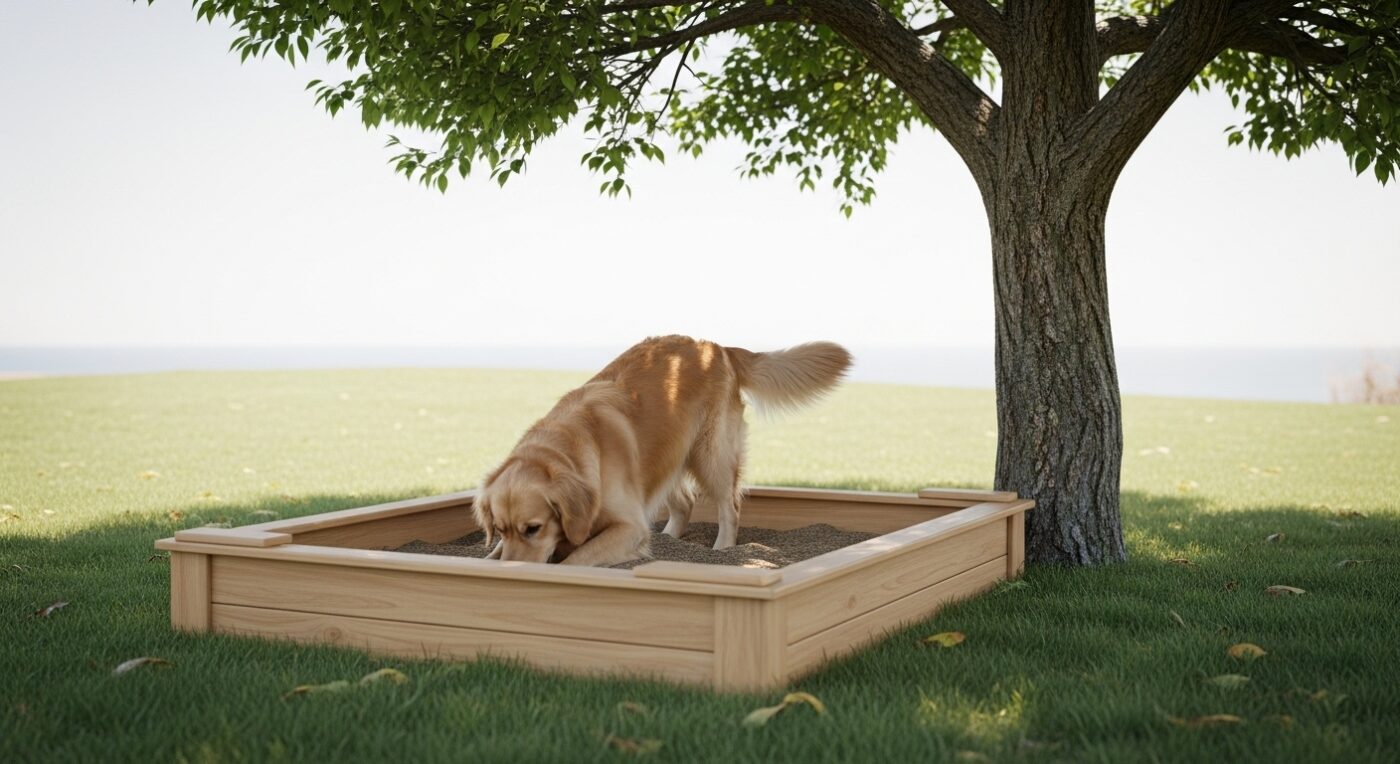
Dogs love digging in cool soil, especially on hot days. If your yard gets a lot of sunlight, build a digging pit in a shaded corner surrounded by plants, stones, or small shrubs. The natural enclosure creates a cozy, den-like feeling that dogs instinctively crave.
Make sure the soil stays slightly moist—it’ll keep the area cool and soft for their paws. This is perfect for breeds like Huskies or Labradors that tend to overheat quickly.
3. The Raised Wooden Box
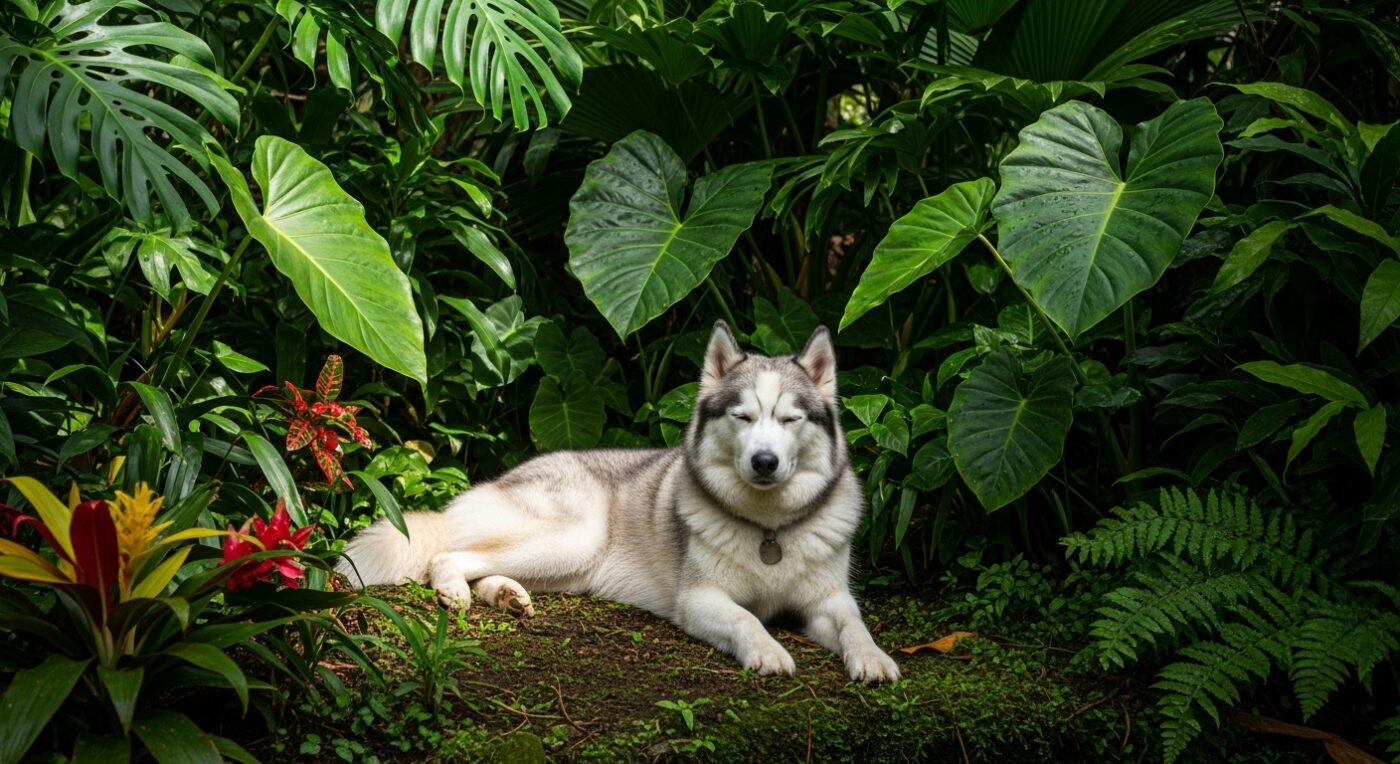
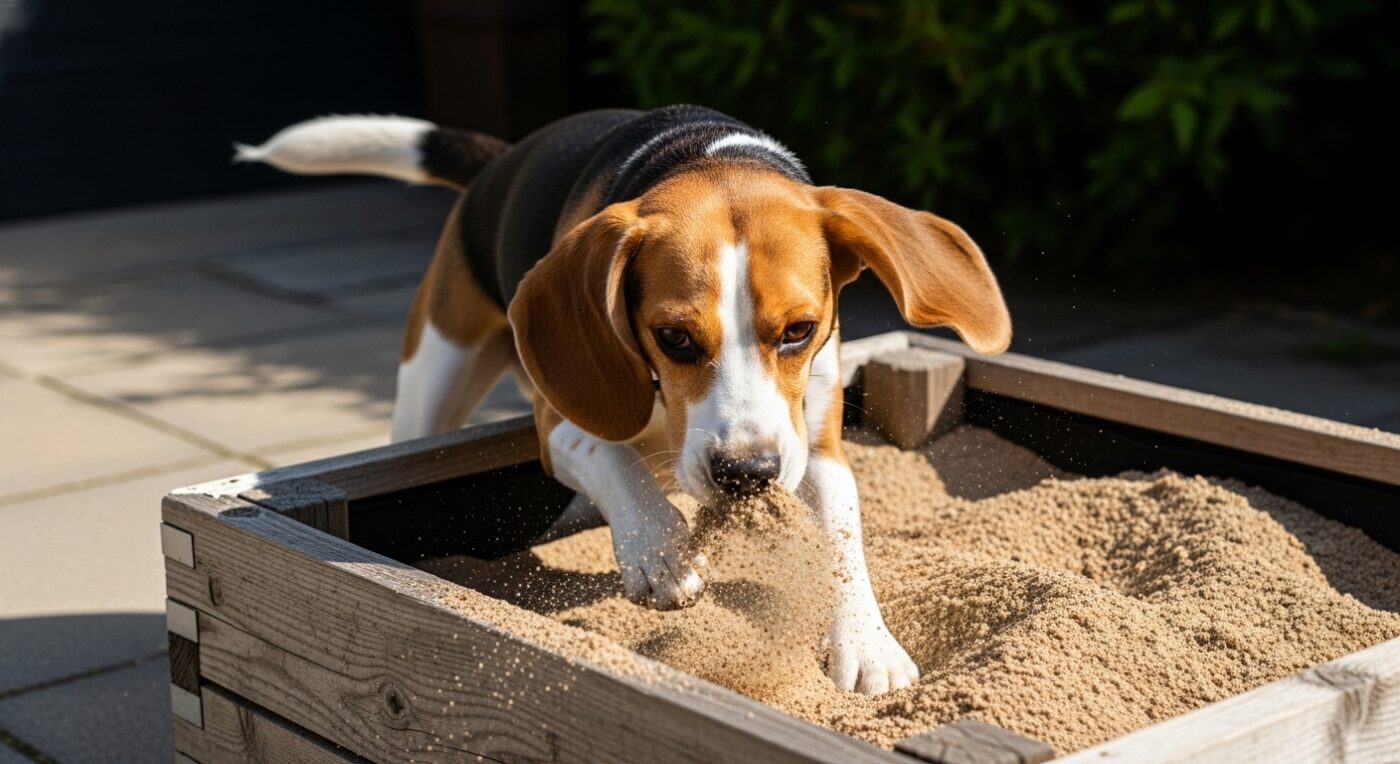
If your yard doesn’t have soft ground—or if you rent your home—a raised digging box is a smart, clean alternative. Build a sturdy wooden frame about one foot deep, line the bottom with landscaping fabric, and fill it with sand or mulch.
The raised edges keep the mess contained, and you can move it around if needed. It’s also ideal for senior dogs or smaller breeds that prefer easier access without crouching too low.
4. The Water-Lover’s Mud Pit
Some dogs can’t resist digging after rain because wet soil is irresistible to them. If your pup is a true mud enthusiast, embrace it by creating a controlled mud pit area with good drainage and easy-to-clean surroundings.
Add river stones or a shallow border to define the area. Encourage your dog to play there after bath time—or on hot days when they need to cool down. It’s messy, sure, but it’s also incredibly satisfying for dogs that love to get dirty.

5. The Toy Treasure Zone (Fan Favorite!)
This one’s a total game-changer—and your dog will go absolutely wild for it. Create a treasure-hunt digging area by burying durable dog toys, frozen treats, or chew bones slightly beneath the surface.
You can refresh it every few days with new “treasures” to keep your pup curious and excited. This turns digging into a stimulating game that burns mental and physical energy.
To make it extra fun, use toys with different textures and scents. Dogs like Beagles or Terriers, who are natural scent hounds, will thrive in this setup.

6. The Hidden Garden Tunnel
Some dogs love to dig because they want to burrow or hide. For these natural explorers, a garden tunnel setup can be pure heaven. You can use flexible PVC pipes or pre-made play tunnels for dogs, covering parts of them with soil and plants to make it look like a secret den.
This gives your dog a fun place to crawl, hide, and dig safely—without destroying your yard. Just make sure everything is securely anchored and that airflow is good to prevent overheating.

7. The Cool-Down Digging Station
In warmer climates, overheating can be a real danger for dogs that love to dig. To solve this, you can design a cool-down digging station. Use damp sand or soil and cover the area with a retractable canopy or umbrella to block the sun.
Some pet owners even install misting nozzles nearby for extra comfort. This creates a safe, temperature-controlled space where your pup can dig and chill at the same time.

8. The Natural Rock and Log Zone
If you want your dog’s digging area to blend beautifully with your landscape design, try incorporating natural materials like large rocks, tree stumps, and logs.
This design mimics a natural forest environment, turning your backyard into a mini wilderness adventure for your pup. Dogs love exploring textures and scents, and the combination of wood, dirt, and plants creates a sensory paradise that reduces boredom.

9. The Portable Patio Pit
Apartment or city dog owners don’t need to miss out. You can create a portable digging pit using a plastic storage bin, kiddie pool, or wooden crate filled with sand, soil, or even shredded coconut fiber.
This indoor-outdoor solution works perfectly for balconies, patios, or small porches. You can rotate toys, add scents, and even change the texture of the filler material to keep it interesting.

10. The Interactive Enrichment Zone
For the ultimate dog play experience, combine digging with other enrichment activities. Create a multi-sensory play corner with digging space, a mini agility ramp, and puzzle toys hidden around the area.
You can even plant dog-safe herbs like mint, basil, or lavender around it for natural scent stimulation. This type of setup gives your dog a full playground—physically, mentally, and emotionally.

How to Maintain Your Dog’s Digging Area
Once you’ve built your dog’s dream pit, maintaining it is simple but essential. Refresh the sand or soil every few weeks to keep it clean and free from debris. If you live in a rainy area, check for drainage and cover it during storms to prevent flooding.
Encourage your dog to use the digging zone by praising them or hiding small rewards. Consistency is key—dogs quickly learn where it’s “okay” to dig when it’s paired with fun and positive reinforcement.
If your pup starts digging outside the zone again, gently redirect them. Over time, they’ll associate the designated pit with playtime and satisfaction, leaving your garden intact.
Why a Digging Zone Improves Your Dog’s Behavior
Digging isn’t bad behavior—it’s instinct. Dogs dig to relieve stress, search for scents, regulate body temperature, or simply entertain themselves. By giving them a designated area, you fulfill this instinct in a healthy way.
This helps reduce destructive habits like tearing up grass, chewing furniture, or escaping under fences. It also boosts confidence and reduces boredom-related anxiety, especially in active breeds like Terriers, Shepherds, or Retrievers.
A well-designed digging area transforms your backyard into a fun, safe, and engaging environment where your dog can just be a dog.
Conclusion: Give Your Dog a Space to Be Wild
A thoughtfully designed dog digging area is more than a play zone—it’s a gift of freedom, enrichment, and happiness for your furry friend. Whether you go for a simple sandbox or an elaborate garden playground, what matters most is that your pup feels safe, stimulated, and loved.
And let’s be honest—watching your dog dive nose-first into a pit of joy is one of the best sights in the world.
So go ahead and build that dream digging zone. Your yard will thank you, and your dog will, too.
FAQ
1. What materials are best for a dog digging area?
Child-safe sand, garden soil, or coconut fiber are ideal. Avoid anything with sharp stones or chemical fertilizers that can irritate paws.
2. How big should my dog’s digging zone be?
It depends on your dog’s size and energy level. For medium to large breeds, aim for at least 4×4 feet of digging space with soft, deep soil.
3. How do I train my dog to use the digging pit?
Start by burying toys or treats in the designated area and praise your dog when they dig there. Consistency and positive reinforcement are key.
4. Is digging dangerous for dogs?
Digging itself isn’t harmful, but make sure the area is safe—no sharp objects, pesticides, or toxic plants nearby.
5. Can I build a digging pit on a balcony or patio?
Absolutely! A portable sandbox or storage bin filled with sand or soil makes a great indoor/outdoor digging option for small spaces.