Dogs are more than just pets; they’re family members who deserve comfort and safety in every aspect of life. Whether it’s helping an older dog climb into the car or assisting a small puppy onto the couch, dog ramps are invaluable tools for protecting joints, preventing injuries, and making everyday life easier.
While dog ramps might seem simple, the design, material, and usability all play critical roles in your pup’s experience. From foldable ramps for travel to stylish indoor ramps that blend with your home décor, there are plenty of options to suit every lifestyle and dog breed. This guide explores ten practical dog ramp designs, highlighting their features, benefits, and what to consider before buying or building one.
Why Your Dog Might Need a Ramp
Large dogs, senior dogs, and small breeds all face unique mobility challenges. Jumping off furniture or into vehicles can cause stress on joints and may even result in injury. Over time, repeated strain can lead to arthritis, ligament injuries, or back problems, particularly in breeds like Dachshunds, Labradors, or Golden Retrievers.
Ramps offer a gentle, accessible alternative to stairs and jumps, ensuring that your furry friend can reach their favorite spots without pain. They also improve independence, helping dogs with limited mobility maintain confidence and exercise freedom without relying on lifts or assistance.
1. Foldable Aluminum Dog Ramps
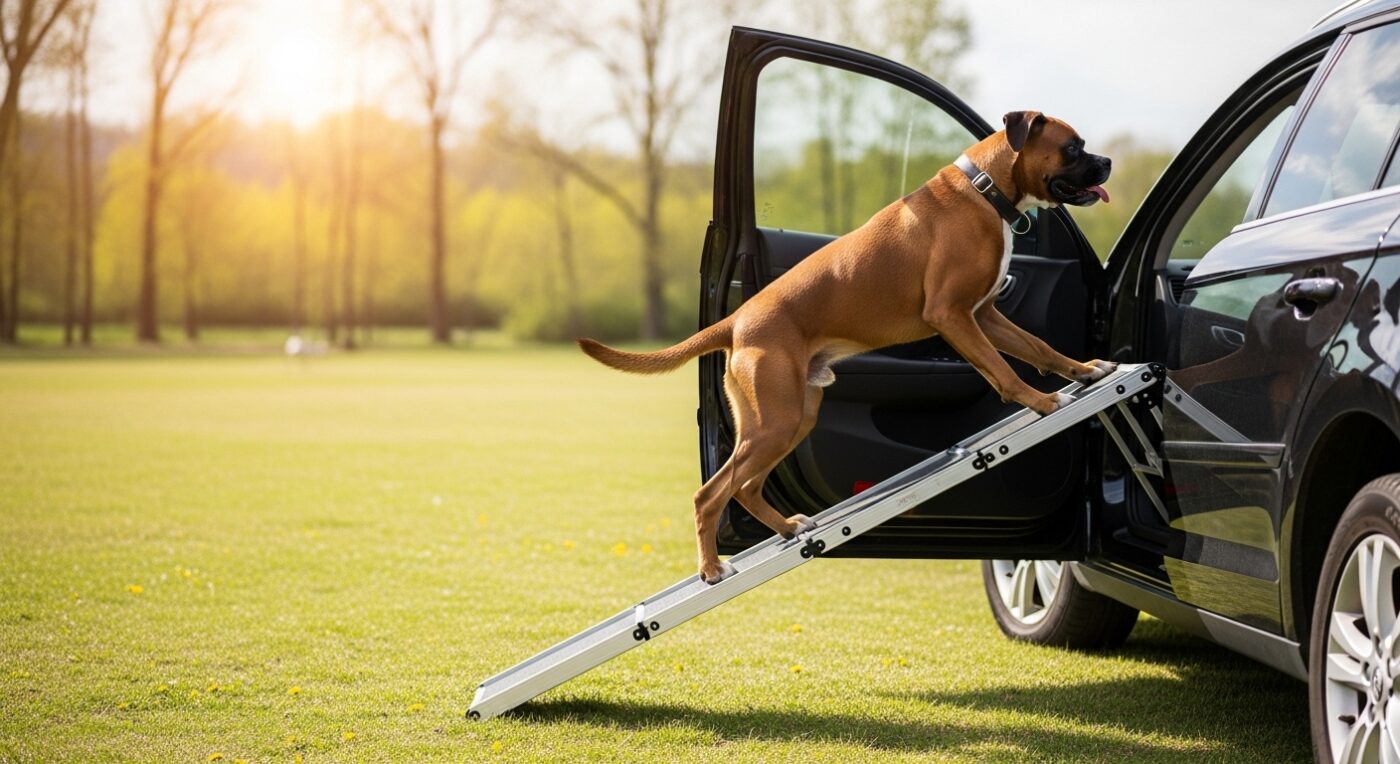
Foldable aluminum ramps are ideal for pet owners who travel frequently. Lightweight yet durable, these ramps can be collapsed for easy storage in a car trunk. Aluminum provides excellent strength without adding bulk, and the textured surface ensures your dog doesn’t slip while climbing.
Many models come with adjustable heights, making them compatible with vehicles, patios, and low furniture. The portability and durability of foldable aluminum ramps make them perfect for dogs who accompany their owners on road trips or outdoor adventures.
2. Carpeted Wooden Ramps for Indoors
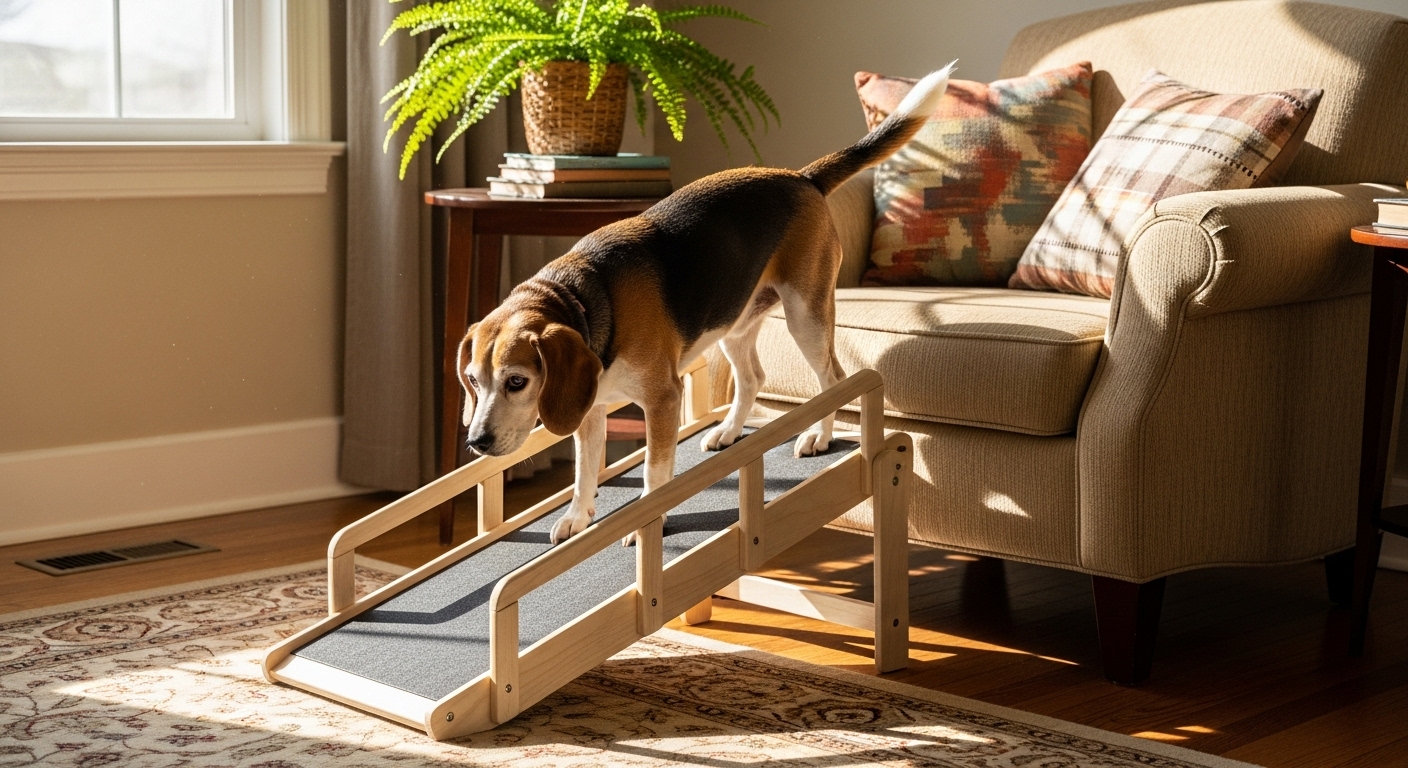
Wooden ramps with carpeted surfaces combine functionality with home décor. The sturdy construction supports dogs of all sizes, while the carpet prevents slipping. Unlike plastic ramps, wooden designs offer aesthetic appeal, seamlessly blending into living rooms or bedrooms.
These ramps are perfect for senior dogs or small breeds who need frequent access to beds, sofas, or elevated chairs. Homeowners can also customize the ramp’s angle and width to suit their dog’s comfort level.
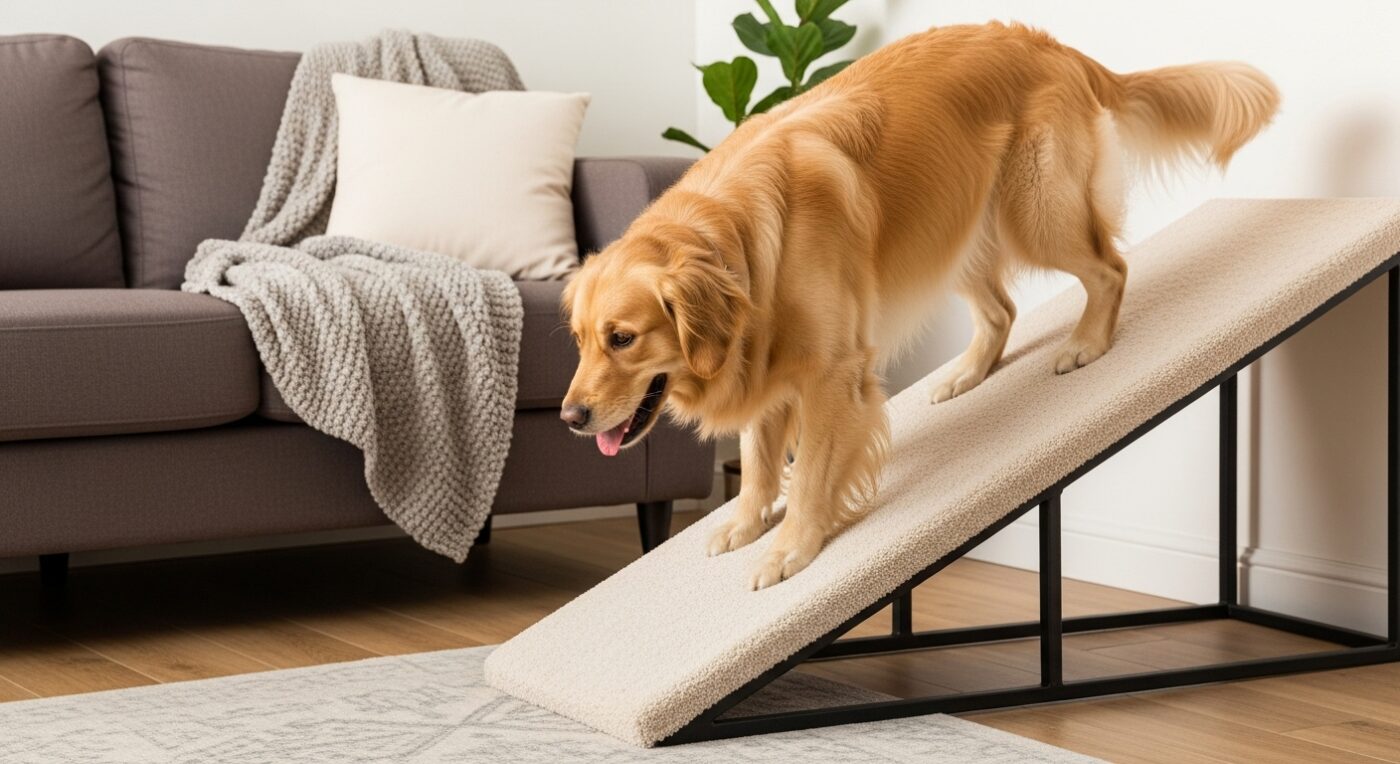
3. Telescopic Adjustable Ramps
Telescopic dog ramps extend or contract based on your dog’s height and the distance to the target surface. This versatility is particularly helpful for multiple dogs of varying sizes in the same household. Most telescopic ramps feature non-slip rubber treads, making them safe for puppies and senior dogs alike.
Adjustable ramps are excellent for cars, small trucks, and SUVs. Their compact storage design allows pet owners to keep the ramp in a closet or trunk when not in use, making them a practical choice for daily life and travel.
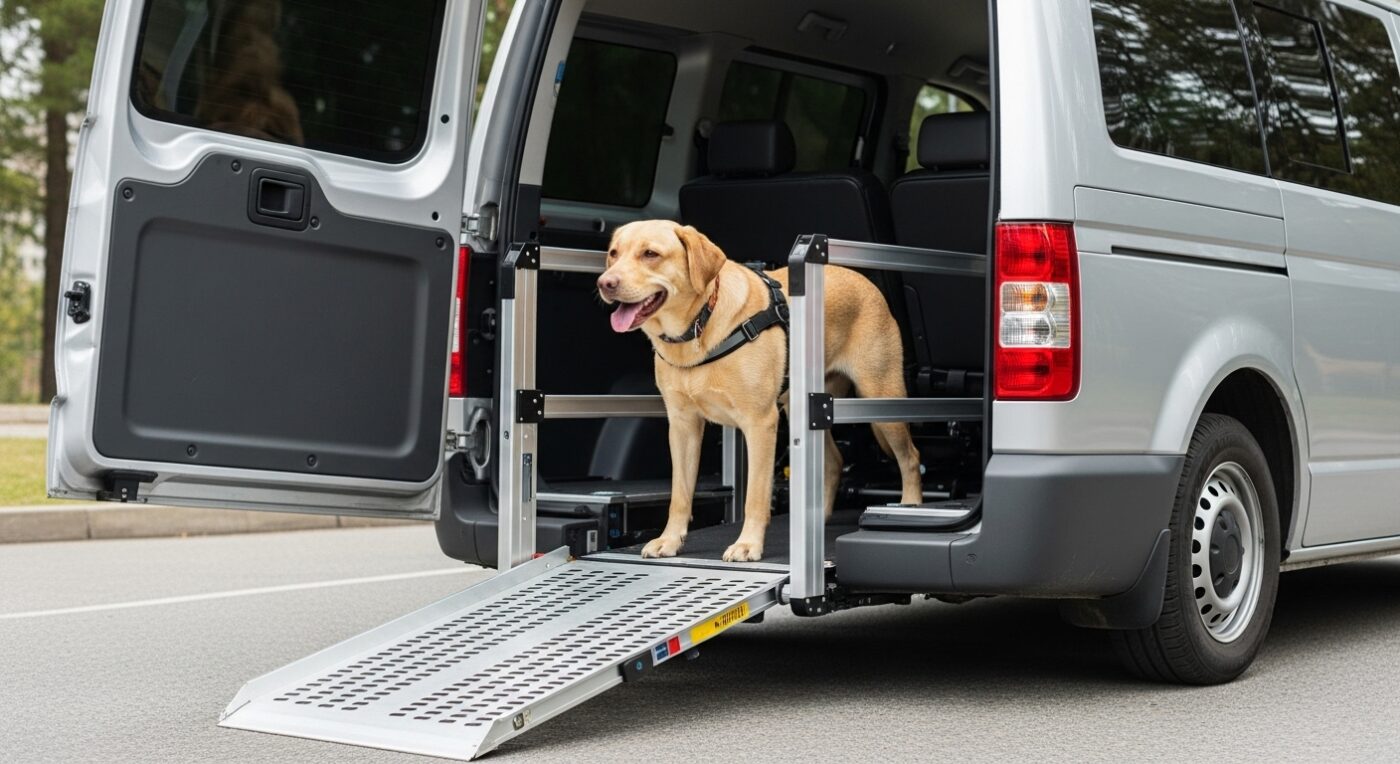
4. Fold-Out Sofa Ramps
For small dogs or puppies who love lounging on furniture, fold-out sofa ramps provide a gentle incline to reach couches or beds. These ramps are lightweight and can be folded after use, preserving floor space.
Some models feature cushioned mats or non-slip surfaces to enhance comfort. Fold-out ramps are particularly useful in apartments or small living areas where full-length ramps aren’t practical.
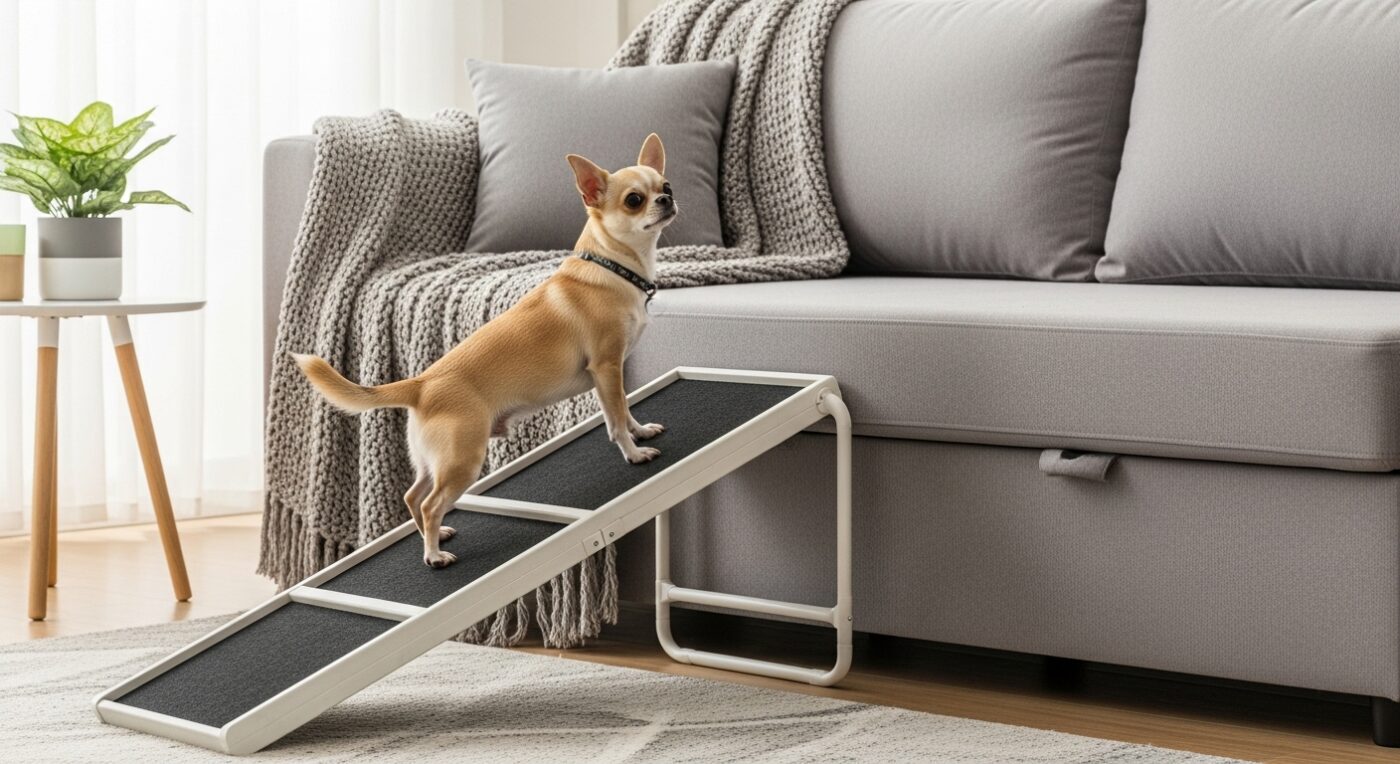
5. Ramp with Side Rails
Side rails prevent dogs from falling off the ramp, adding an extra layer of safety for senior or anxious pets. These ramps are available in various materials, including plastic, wood, and metal, often with textured treads to prevent slipping.
Side-rail ramps are especially helpful for dogs with visual impairments or those who are easily startled. They also provide peace of mind for owners, ensuring every climb is secure.
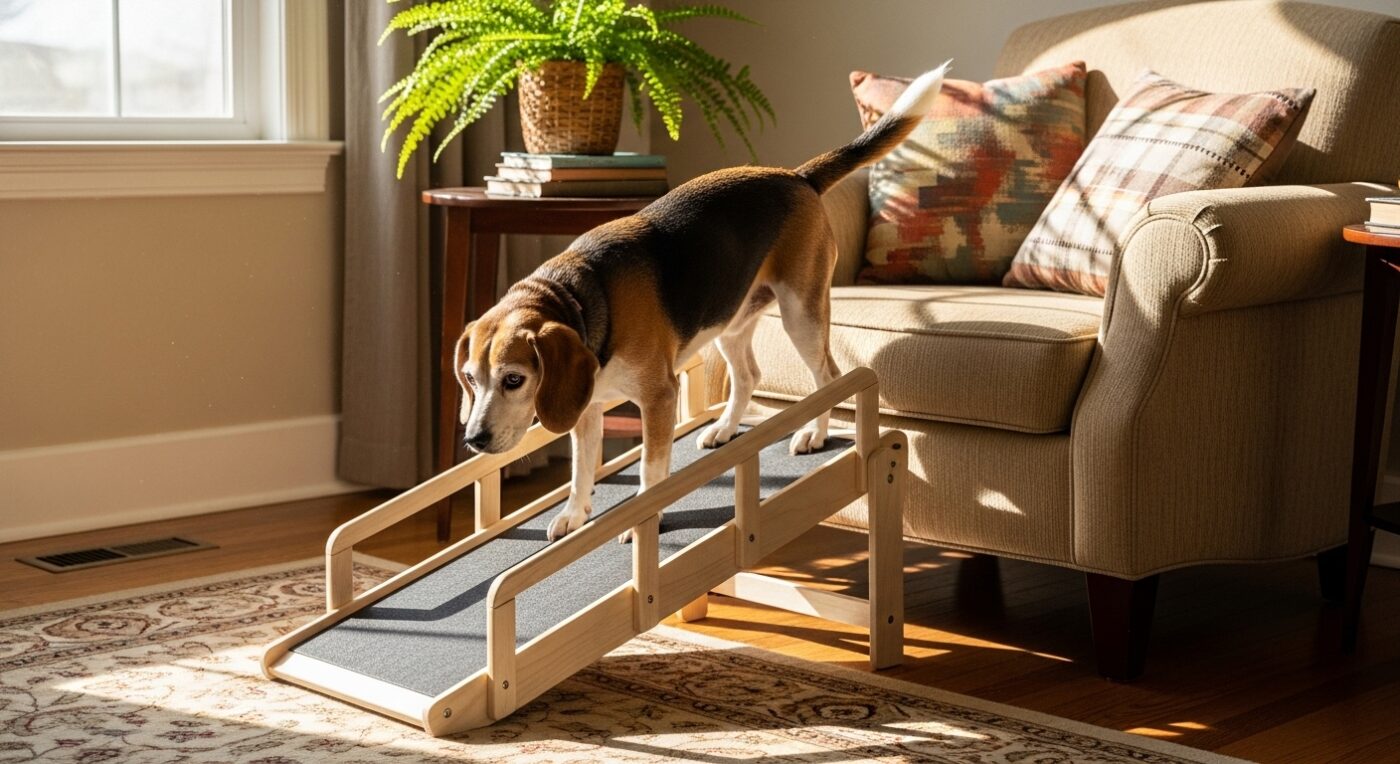
6. Collapsible Plastic Ramps
Collapsible plastic ramps are an excellent option for temporary or occasional use. These ramps are lightweight, waterproof, and easy to clean, making them suitable for outdoor use or for wet conditions.
Though they may not support extremely heavy dogs, collapsible plastic ramps are perfect for small to medium breeds, puppies, or for use at parks and beaches. Their portability and affordability make them popular among pet owners seeking a simple solution.
7. Modular Sectional Ramps
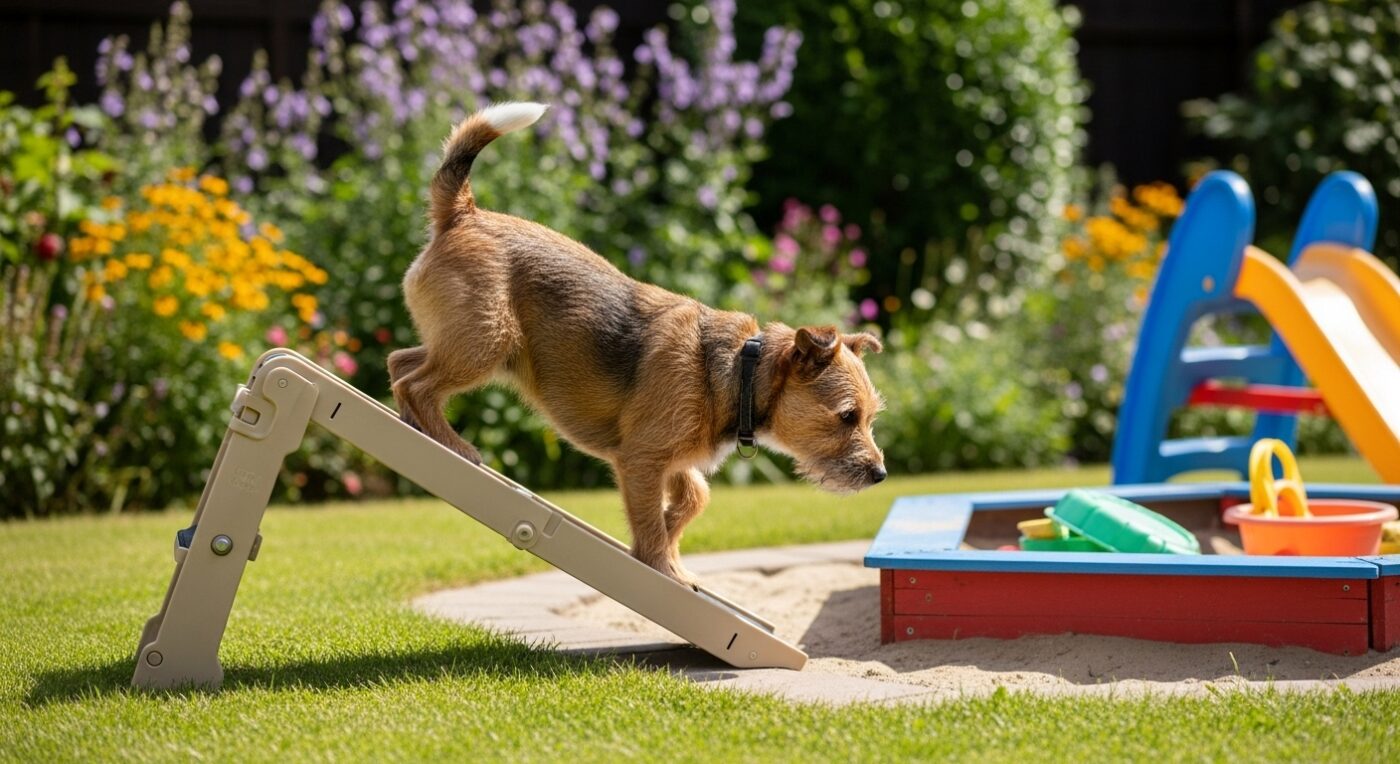
Modular ramps consist of interlocking sections that can be arranged in various configurations, allowing for customized length and angle. This flexibility is ideal for homes with multiple obstacles or furniture of varying heights.
Modular ramps also make it easy to adapt to your dog’s changing needs. As dogs age or gain mobility issues, ramp sections can be reconfigured to reduce the incline and provide a gentler slope.
8. Outdoor Dog Ramps with Traction Strips
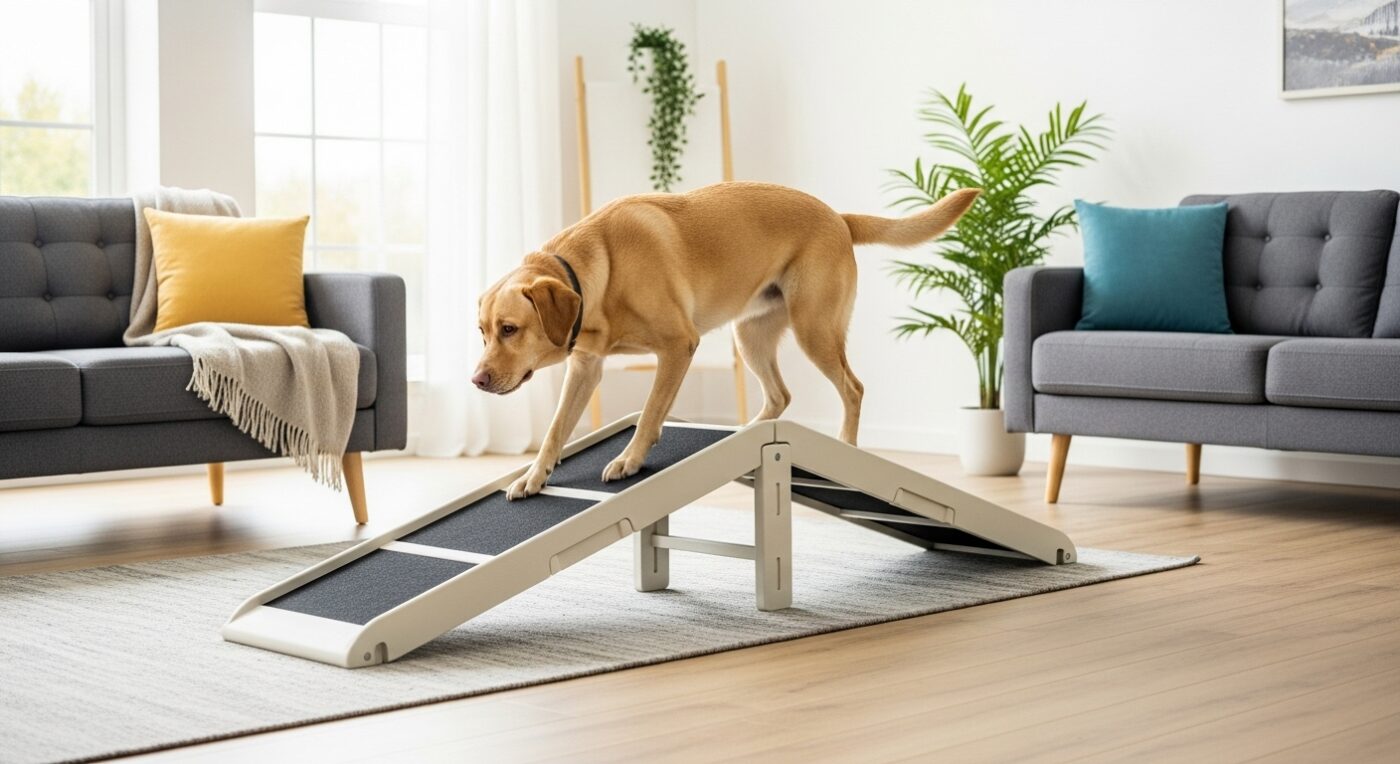
Outdoor ramps require durable surfaces to withstand weather conditions. Ramps with traction strips prevent slipping on wet or icy surfaces, ensuring safety during walks or when entering vehicles.
Many outdoor ramps feature lightweight aluminum or treated wood with weather-resistant coatings. They are ideal for assisting dogs into SUVs, trucks, or onto raised patios, providing a stable and secure path regardless of the elements.
9. Soft Foam Pet Ramps
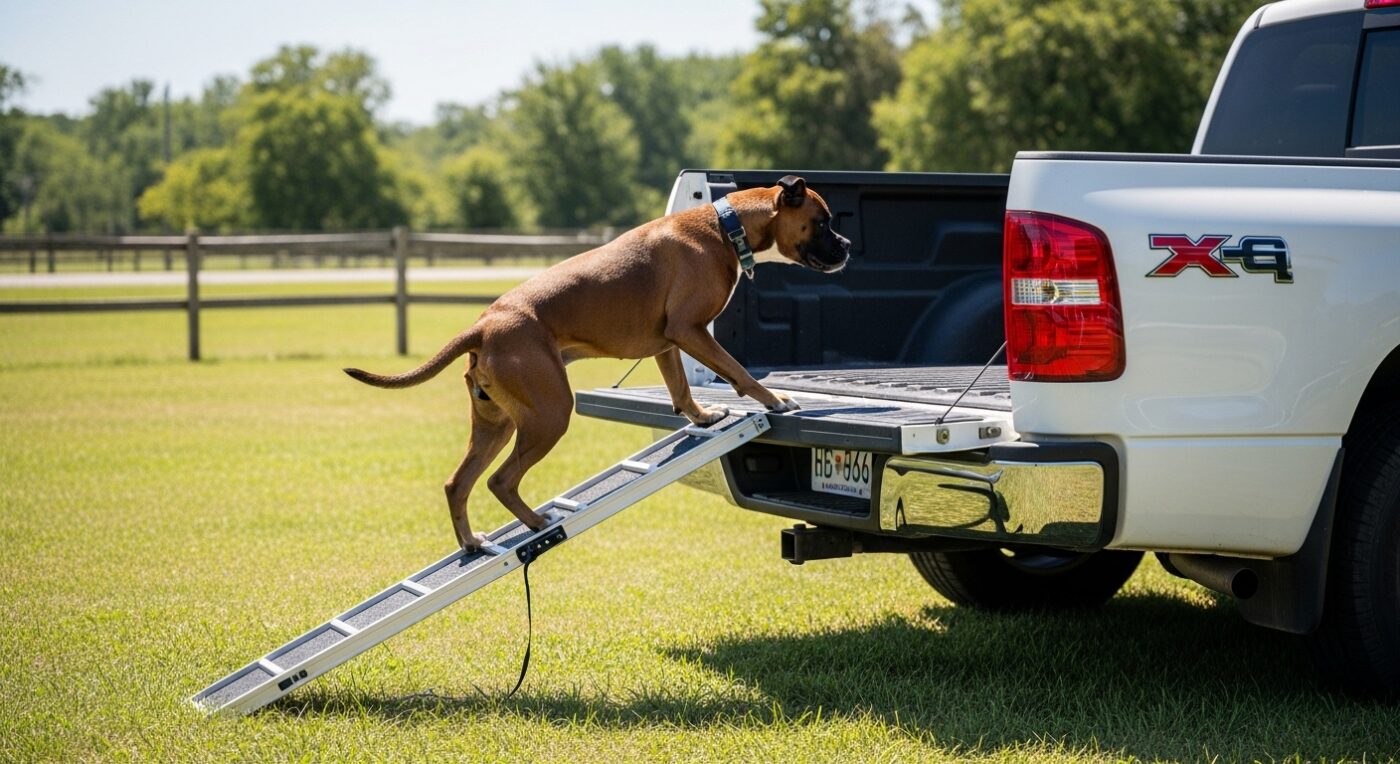
Soft foam ramps are lightweight, cushioned, and portable. Perfect for puppies or dogs with joint issues, foam ramps reduce impact and provide comfort while climbing. They are often covered with non-slip fabric to prevent sliding.
Foam ramps are also useful for indoor training, helping dogs build confidence before transitioning to harder surfaces. They are washable and easy to move, making them ideal for temporary setups or small spaces.
10. Dual-Function Step and Ramp Designs
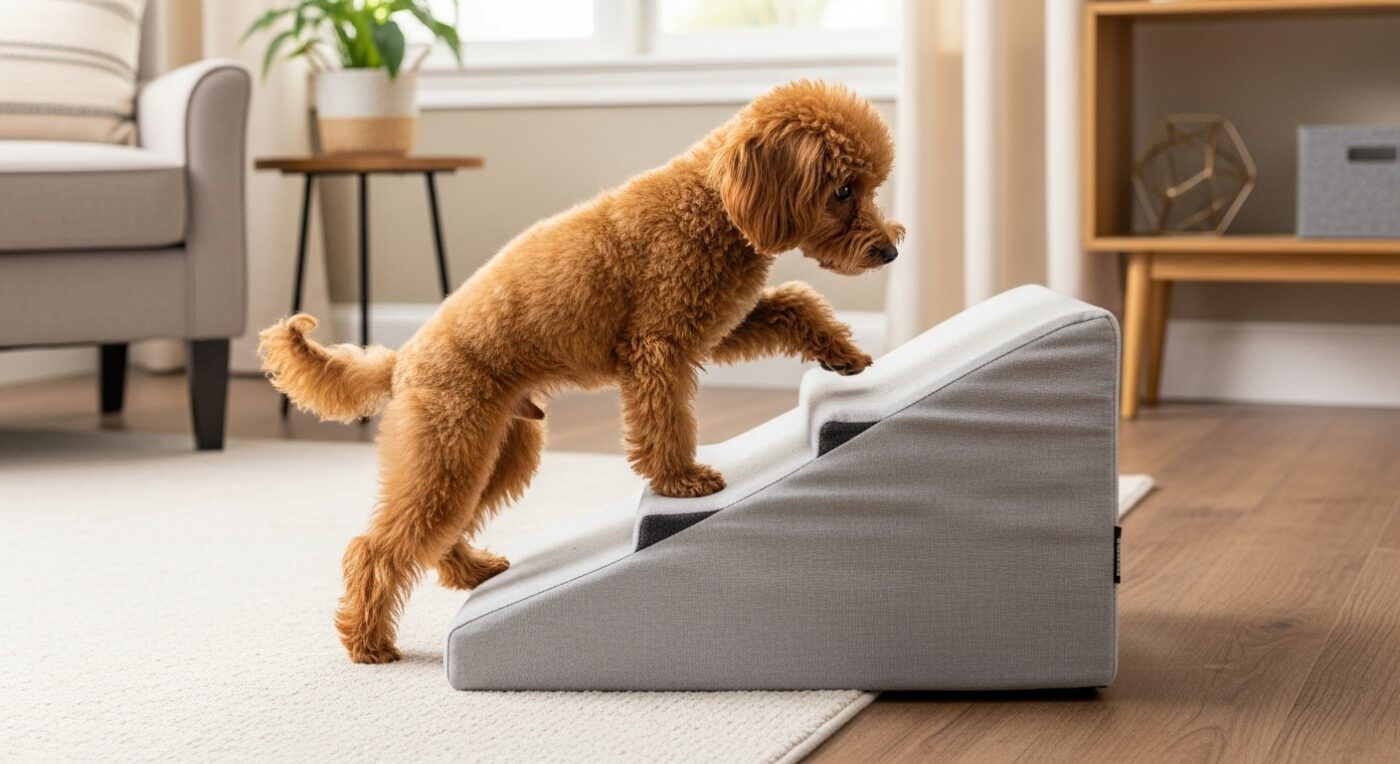
Some ramps are designed to function as both steps and inclined ramps, offering multiple options for dogs to access furniture or vehicles. These dual-function designs are versatile for multi-dog households, accommodating both seniors and agile puppies.
They often include non-slip surfaces, sturdy construction, and easy portability. Dual-function ramps allow owners to adjust the dog’s access method depending on their comfort and energy level, making them a practical investment for long-term use.
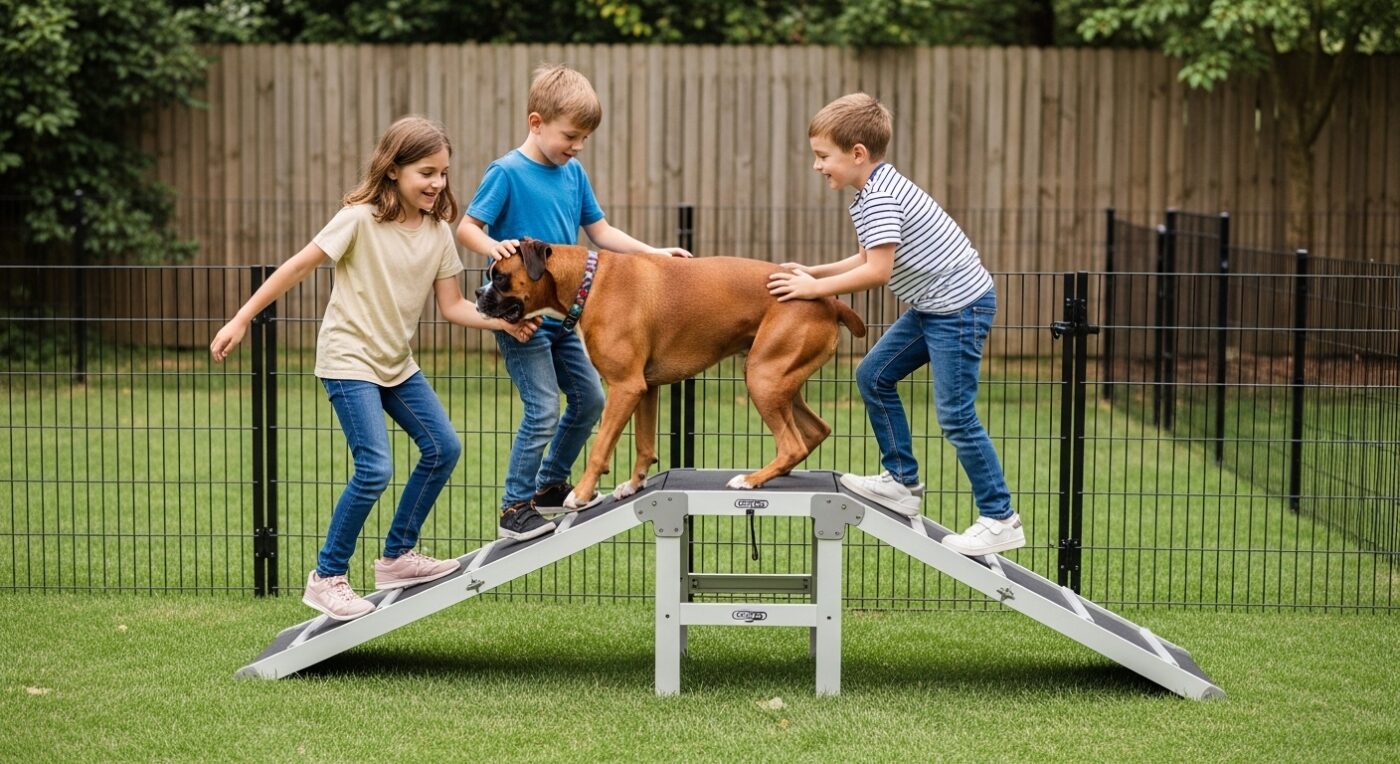
How to Choose the Right Ramp for Your Dog
Choosing the right dog ramp depends on several factors. Consider your dog’s size, weight, and mobility level. Older dogs or those with arthritis may require a gentler incline and padded surfaces, while active breeds may benefit from lightweight, portable options.
Check the ramp’s surface for traction to prevent slipping and measure the height and length to ensure it fits your home or vehicle. Durability, ease of cleaning, and storage are also important, particularly for outdoor ramps or travel use. By matching the ramp to your dog’s unique needs, you can create a safer and more enjoyable environment for them.
Benefits of Using Dog Ramps
Dog ramps are more than just convenience tools. They protect your dog’s joints, prevent injuries, and reduce stress, particularly for senior pets. By offering an accessible path to favorite resting spots or vehicles, ramps encourage independence and confidence.
For multi-dog households, ramps reduce competition and anxiety by providing multiple points of access. Over time, the use of ramps can contribute to better mobility, healthier joints, and improved quality of life, ensuring your furry companion remains active and happy.
Maintaining Your Dog Ramp
Regular maintenance ensures your ramp remains safe and functional. For wooden ramps, check for splinters or loose screws. Clean fabric or carpeted ramps to prevent odors and bacteria buildup. Metal ramps should be inspected for rust and have non-slip surfaces treated if necessary.
Routine checks help prevent accidents and extend the ramp’s lifespan, keeping your dog safe for years of comfortable use.
FAQ
Q: Are dog ramps suitable for all breeds?
A: Yes, ramps can benefit any dog, but design and incline should match the dog’s size, weight, and mobility level. Large breeds may need sturdier ramps, while small or senior dogs benefit from softer surfaces and gentler slopes.
Q: Can ramps help prevent joint problems?
A: Absolutely. Ramps reduce the strain of jumping, protecting joints and ligaments, particularly in large or senior dogs prone to arthritis.
Q: How do I teach my dog to use a ramp?
A: Start by placing treats at the top and bottom, encouraging your dog to explore gradually. Praise and positive reinforcement help your dog feel confident.
Q: Should I leave my dog ramp outside?
A: Only if the ramp is weather-resistant. Aluminum, treated wood, or ramps with traction strips are suitable for outdoor use. Indoor ramps should be kept inside to maintain longevity.
Q: How steep should a dog ramp be?
A: The incline should be gentle enough for your dog to climb comfortably without slipping. A general guideline is a ratio of 1 inch of rise for every 6–8 inches of ramp length, adjusted for older or arthritic dogs.