Feeding your dog may seem like a simple task, but with the right setup, mealtime can become an organized, stress-free, and even stylish part of your home. Many dog owners struggle with spills, slobbery bowls, or pets that eat too quickly, leading to digestive issues and frustration. That’s where clever dog feeding stations come in.
In this article, we’ll explore 10 innovative dog feeding station ideas that combine functionality, design, and your dog’s comfort. Some are DIY projects, others are ready-to-buy solutions that will transform how you and your furry friend experience mealtime. Prepare to be inspired — #3 might just change the way you feed your dog forever.
Why Your Dog Deserves a Feeding Station
Before diving into the ideas, it’s important to understand why feeding stations matter. Dogs eat differently than humans; they can spill water, push their bowls around, or inhale food too fast. Feeding stations help by:
Keeping bowls in place
Reducing mess and odors
Encouraging slower eating through elevated designs
Matching your home décor
For larger breeds, raised stations can reduce strain on joints and necks, while smaller dogs benefit from cozy, accessible setups that make mealtime easier and more enjoyable.
1. Elevated Feeding Stations
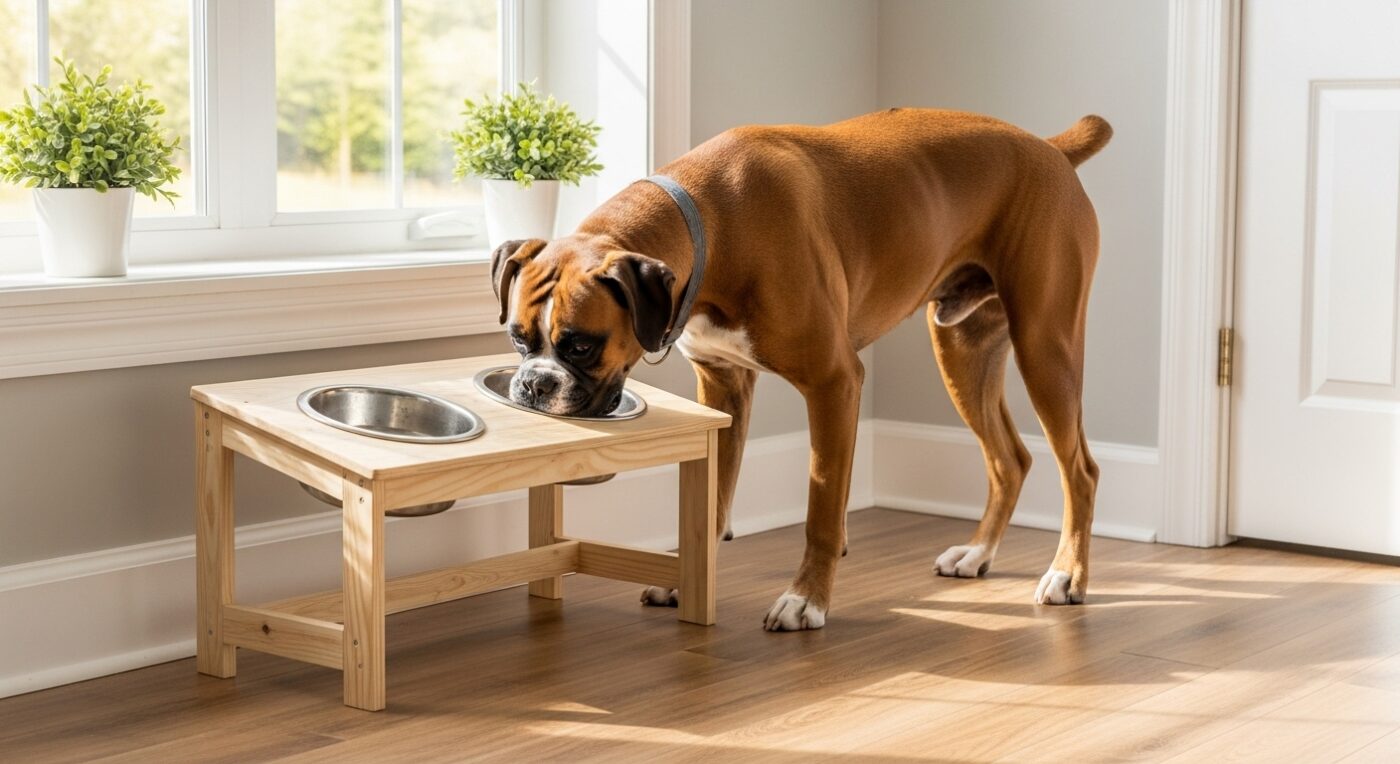
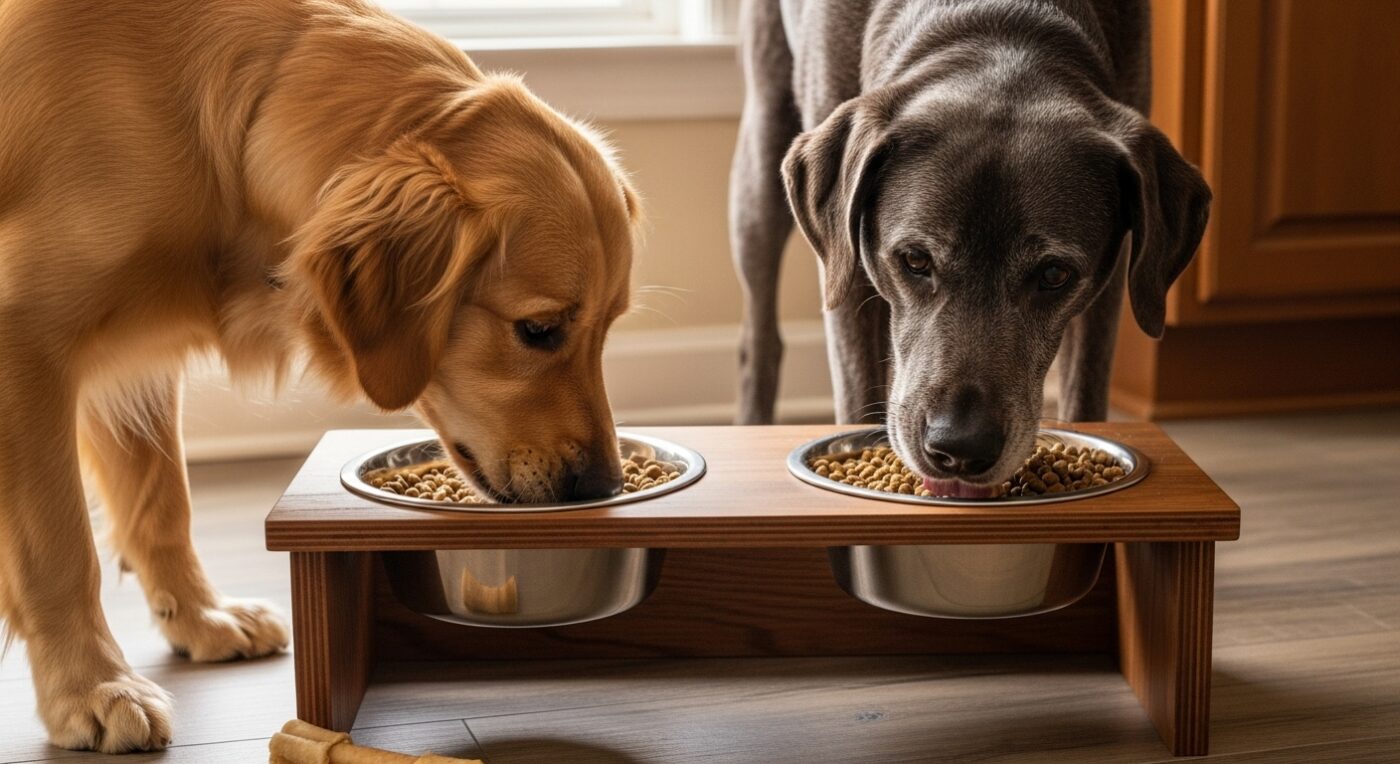
Elevated feeding stations lift your dog’s bowls off the ground, making eating more comfortable and promoting better posture. These setups are particularly helpful for large breeds like Golden Retrievers or Labrador Retrievers.
You can find wooden or metal stands with two or more bowls integrated into the design. Many elevated stations also come with removable bowls for easy cleaning. By reducing neck strain, your dog enjoys a more comfortable mealtime, and you get fewer spills and messes on your floors.
2. Slow Feeder Bowls with Station Holders
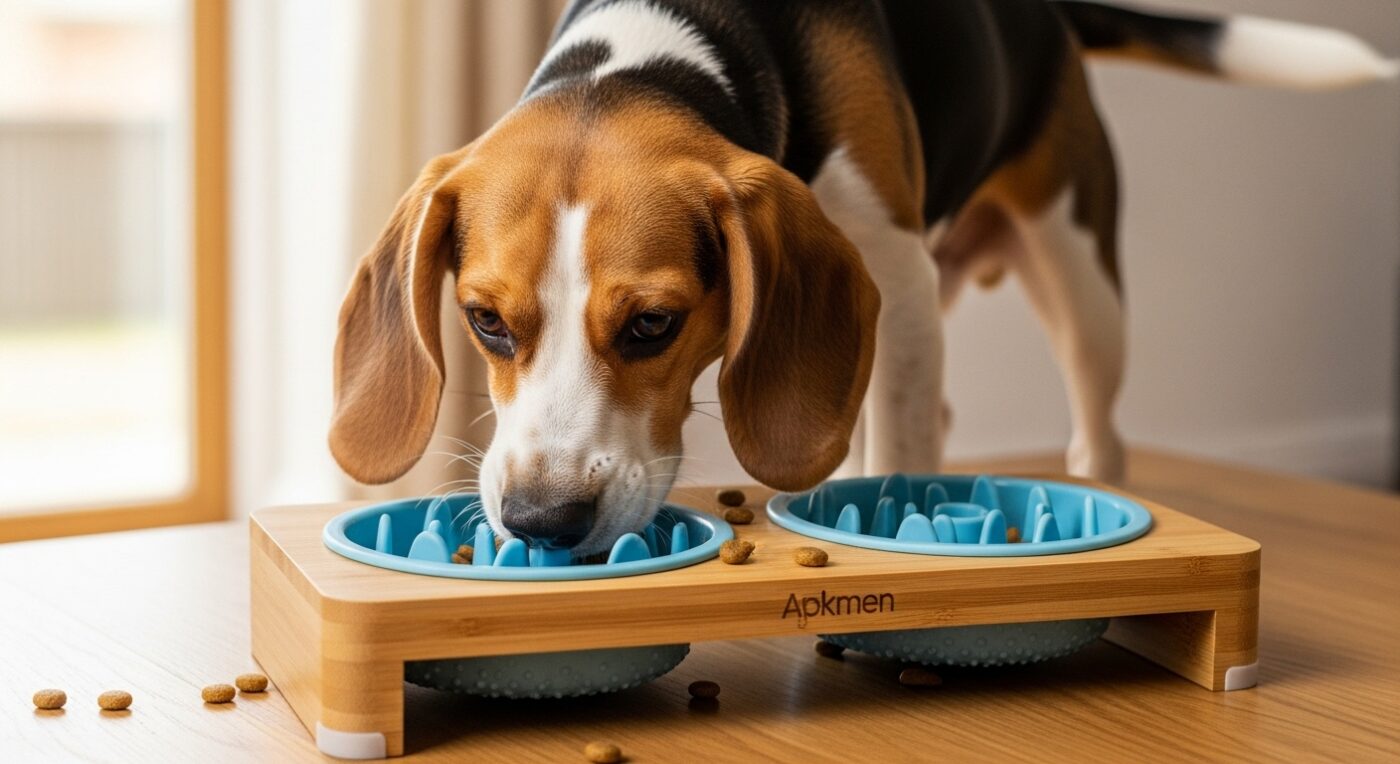
For dogs that gobble food too quickly, slow feeder bowls are a game-changer. Some innovative feeding stations combine a slow feeder design with a secure holder, keeping the bowl stable while extending mealtime.
These designs not only prevent choking or bloating but also turn eating into a stimulating activity. Some holders feature non-slip bases or adjustable heights, which is especially useful for growing puppies or older dogs.
3. Built-In Storage Feeding Stations (#Life-Changing Idea)
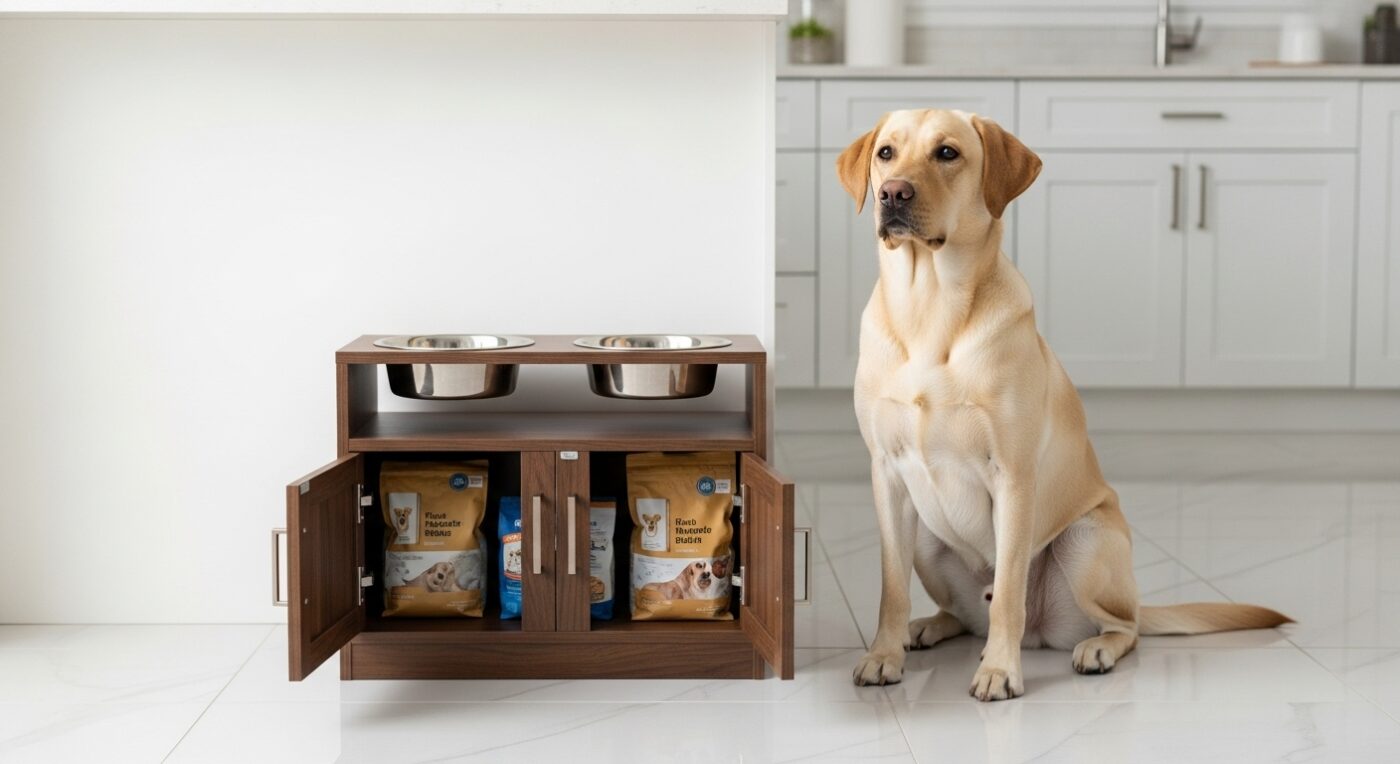
One of the most convenient solutions for dog owners is a feeding station with built-in storage. These setups integrate compartments for food, treats, and even toys, reducing clutter and keeping everything in one place.
Imagine a sleek wooden cabinet with pull-out drawers for kibble bags, a designated spot for water bowls, and hooks for leashes — all in a single unit. This setup eliminates the daily scramble to find supplies and keeps your kitchen organized. Many dog owners report that this single upgrade completely transformed mealtime.
4. DIY Pallet Feeding Stations
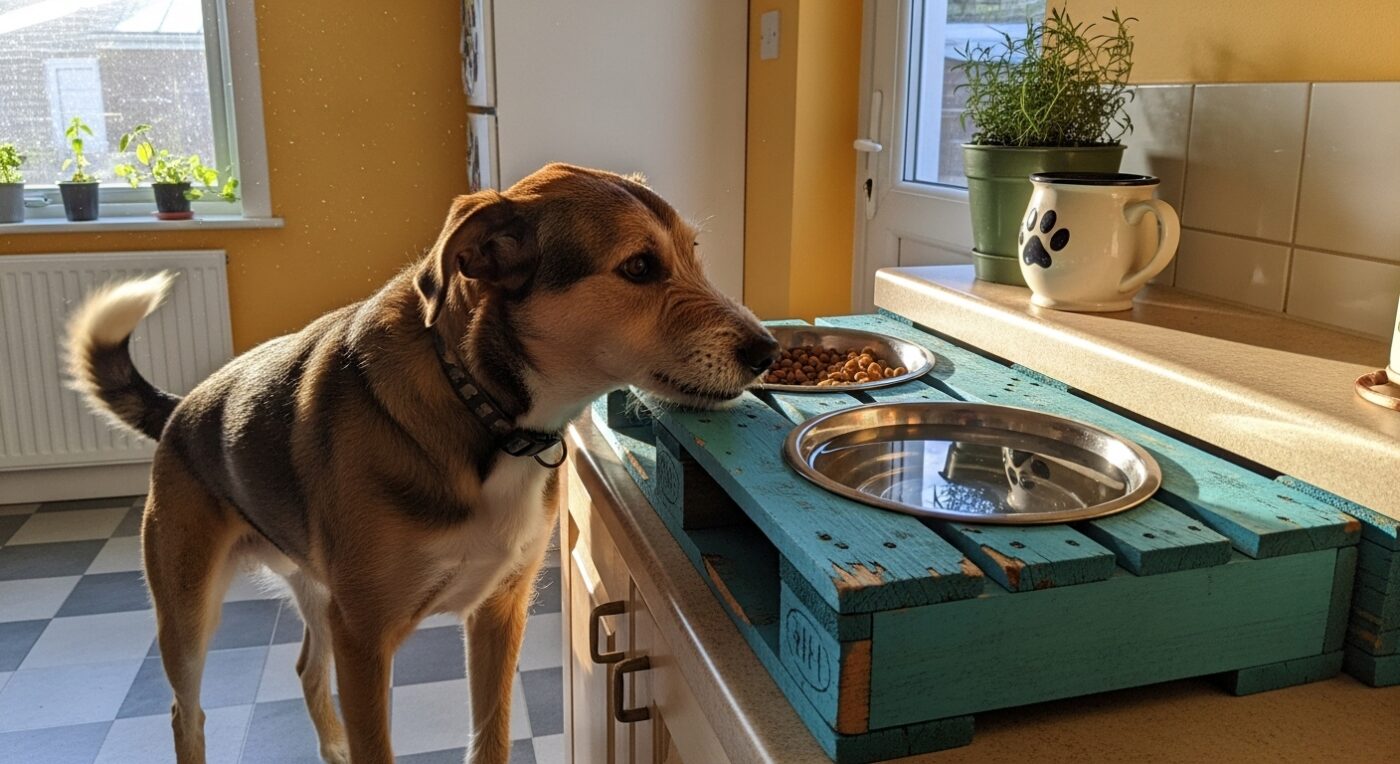
For crafty pet owners, creating a DIY pallet feeding station is both eco-friendly and customizable. With a little sanding, painting, and woodwork, you can design a stand that matches your home style and perfectly fits your dog’s bowls.
DIY stations allow you to choose the height, bowl placement, and additional features like a small storage drawer or non-slip base. Pallet feeding stations are especially popular among medium to large dogs because they can be made sturdy enough to withstand energetic eaters.
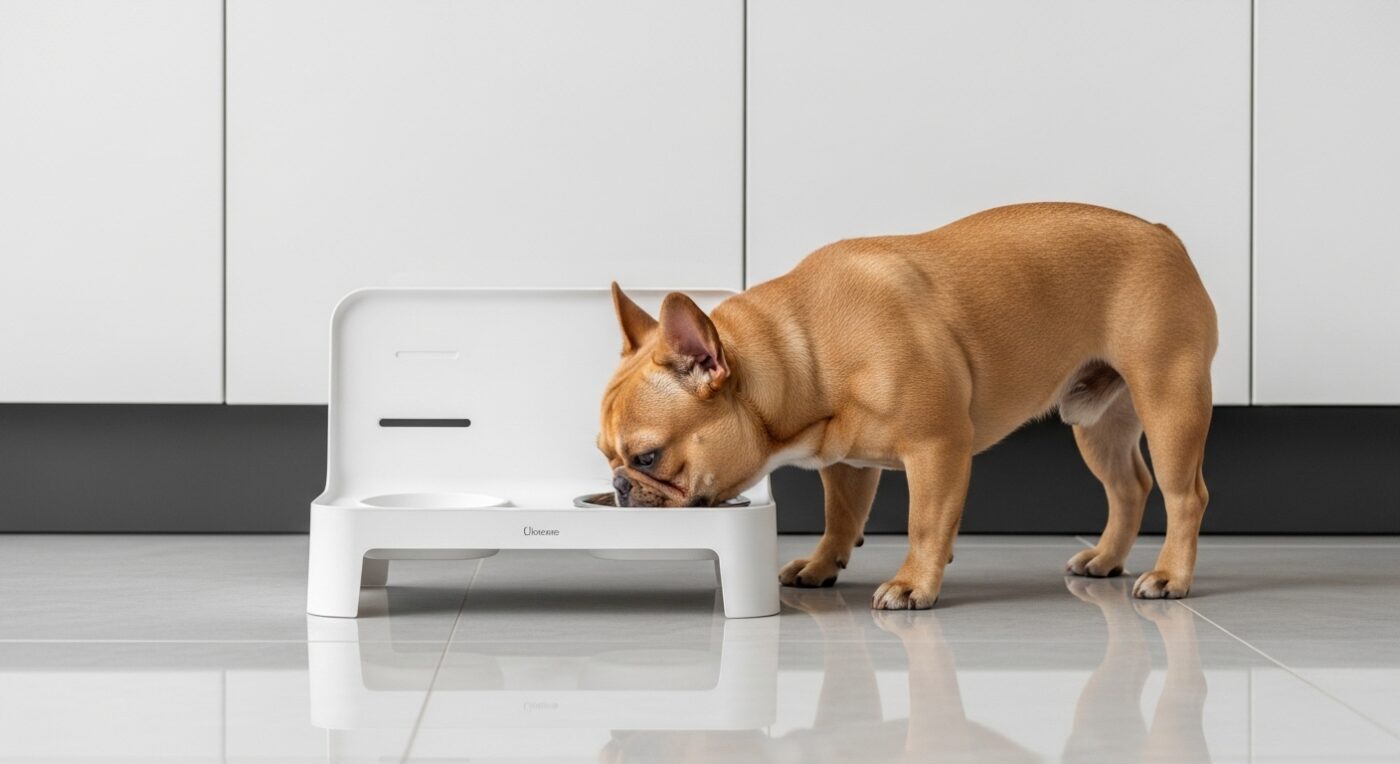
5. Minimalist Modern Designs
Modern dog feeding stations aren’t just practical — they’re also stylish. Minimalist designs often feature sleek lines, neutral colors, and compact sizes, making them easy to integrate into any home interior.
These setups usually use ceramic or stainless steel bowls nested into a platform, creating a clean and hygienic solution. They are perfect for apartments or homes with limited space, offering both elegance and functionality.
6. Outdoor Feeding Stations for Backyard Dogs
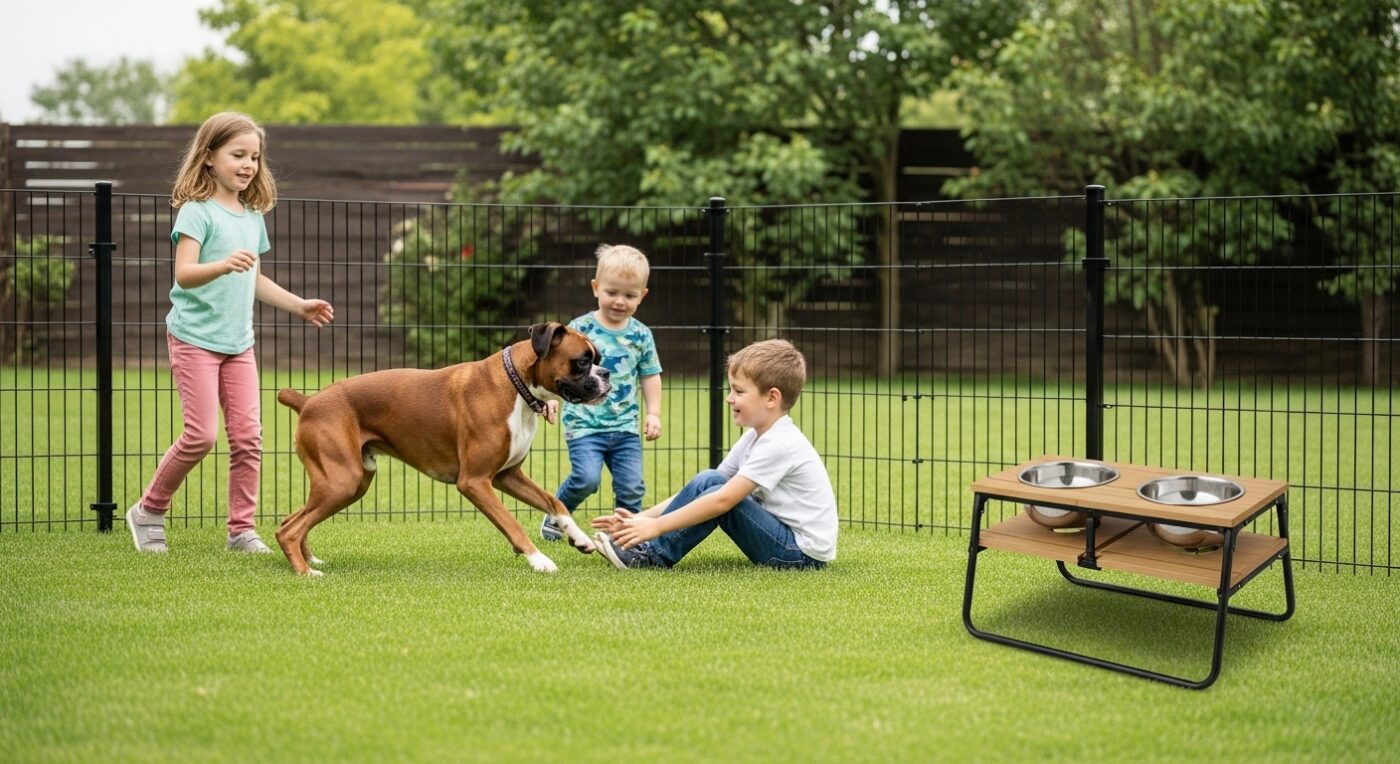
For dogs that spend a lot of time outside, an outdoor feeding station is essential. These setups protect bowls from dirt, insects, and weather. Elevated platforms made from weather-resistant materials keep water and food clean, while small covers can shield kibble from rain.
Outdoor stations can also include storage bins for treats and toys, creating a complete outdoor dining area for your dog. This setup keeps your yard tidy while encouraging your dog to eat in a designated spot.
7. Interactive Feeding Stations
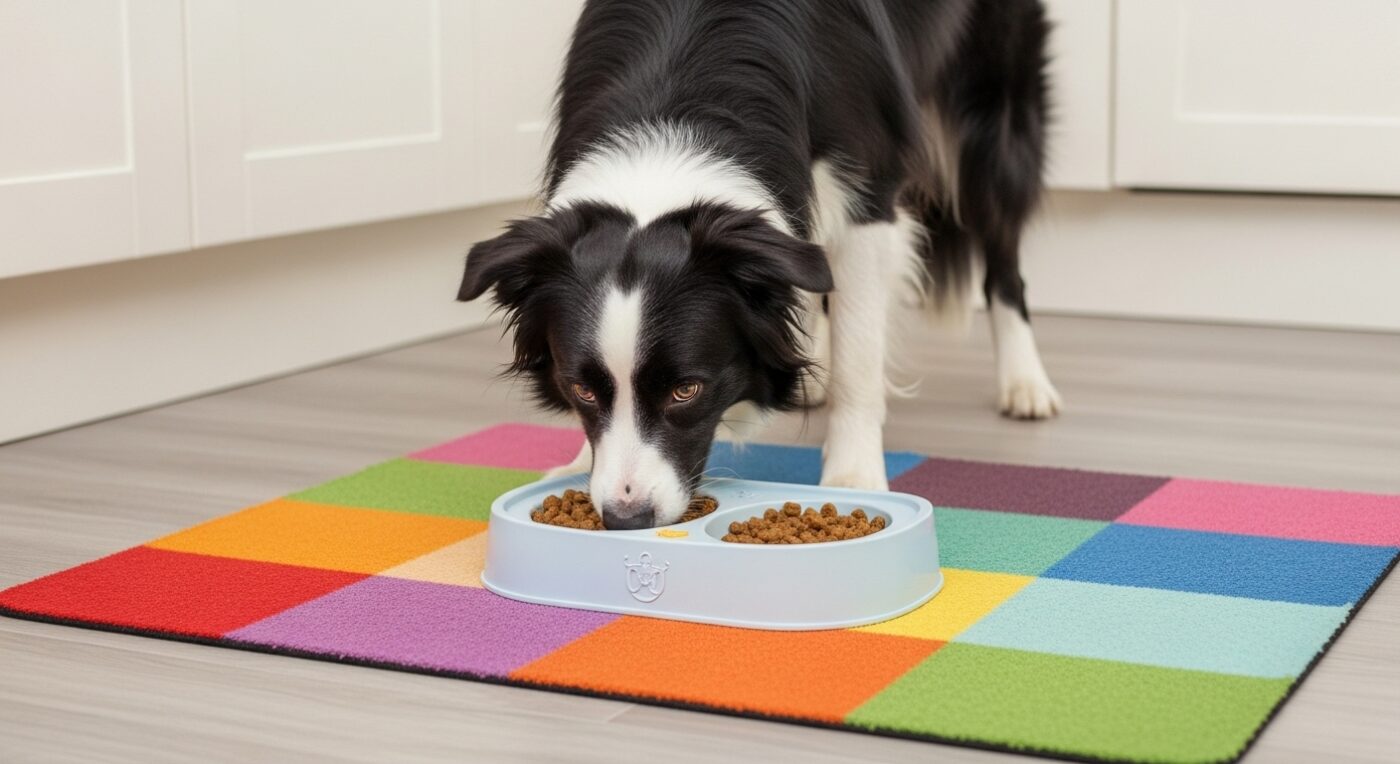
Some feeding stations combine the function of a bowl with mental stimulation. These interactive designs encourage dogs to solve puzzles, roll balls, or lift lids to access food.
Interactive feeding stations are particularly useful for high-energy breeds like Border Collies or German Shepherds. By turning mealtime into a challenge, your dog slows down, engages their mind, and reduces the risk of digestive issues.
8. Travel-Friendly Feeding Stations
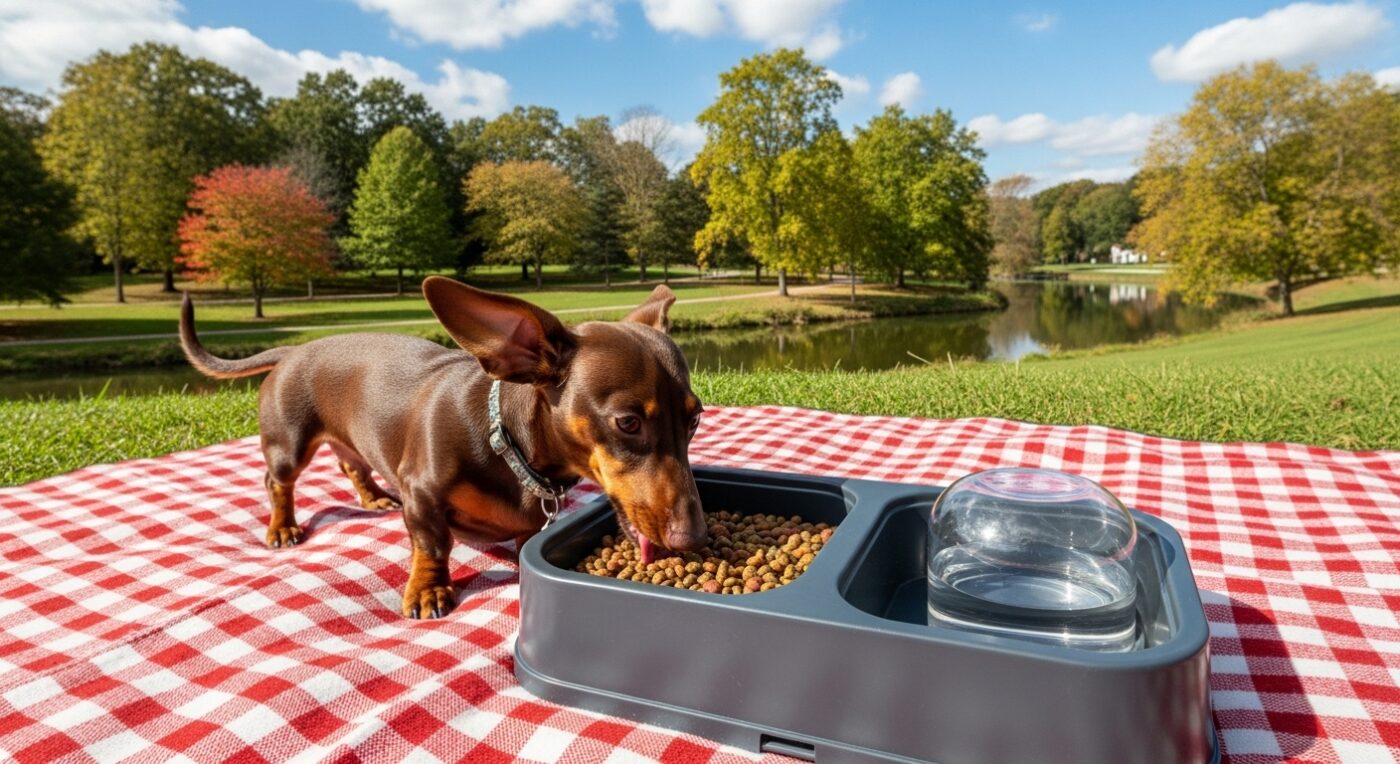
For pet owners on the go, portable feeding stations make feeding convenient during trips. These compact, collapsible stations are ideal for road trips, camping, or even daily outings to the park.
Many designs include foldable bowls, integrated water containers, and storage compartments for kibble. Travel-friendly feeding stations ensure that your dog eats comfortably no matter where you are, reducing stress for both pet and owner.
9. Adjustable Height Feeding Stations
Adjustable stations grow with your dog. Puppies start small, but in a few months, their feeding needs change. Stations with adjustable legs allow you to set the perfect height as your dog matures, preventing neck strain and improving digestion.
These designs are perfect for multi-pet households, as the station can adapt to different sizes. Many pet owners love the convenience of a station that transitions from puppyhood to adulthood seamlessly.
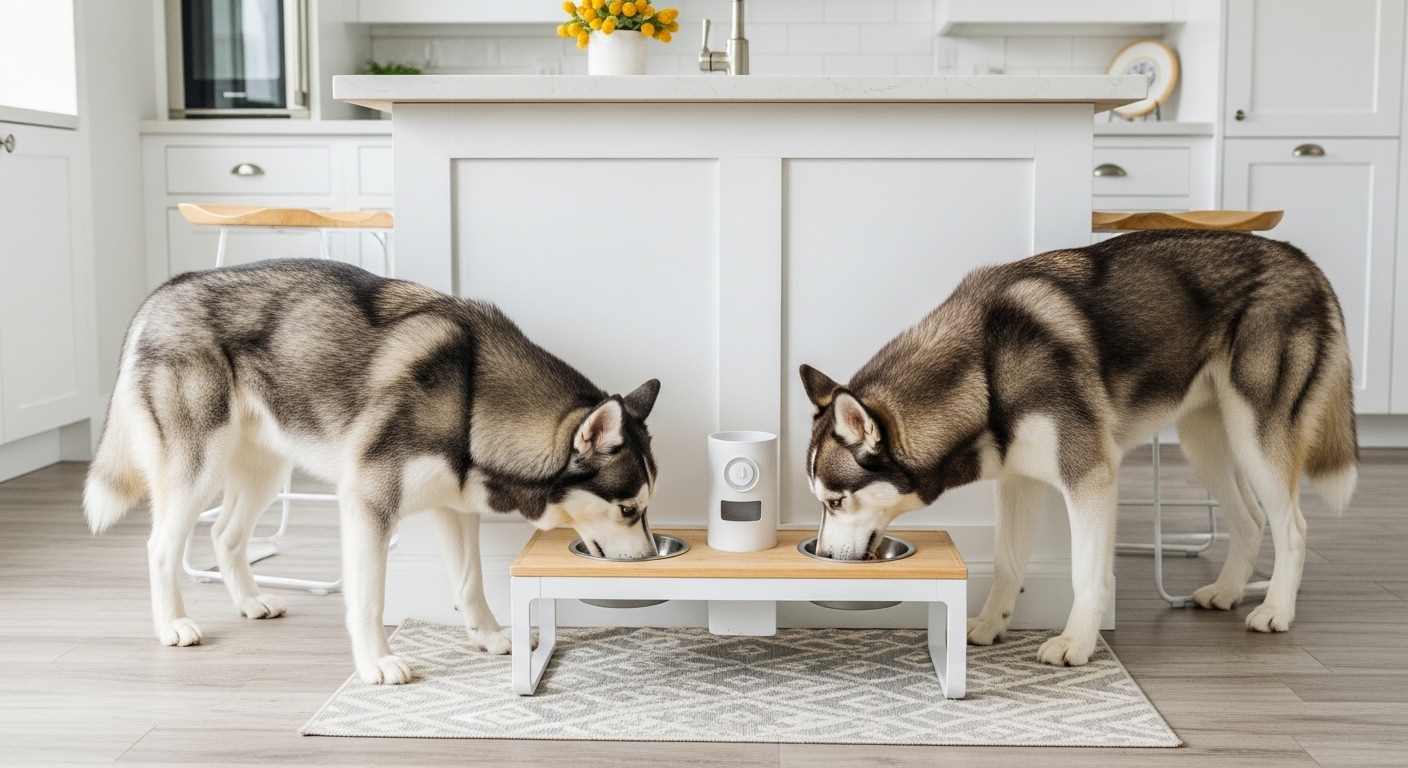
10. Stylish Multi-Dog Feeding Stations
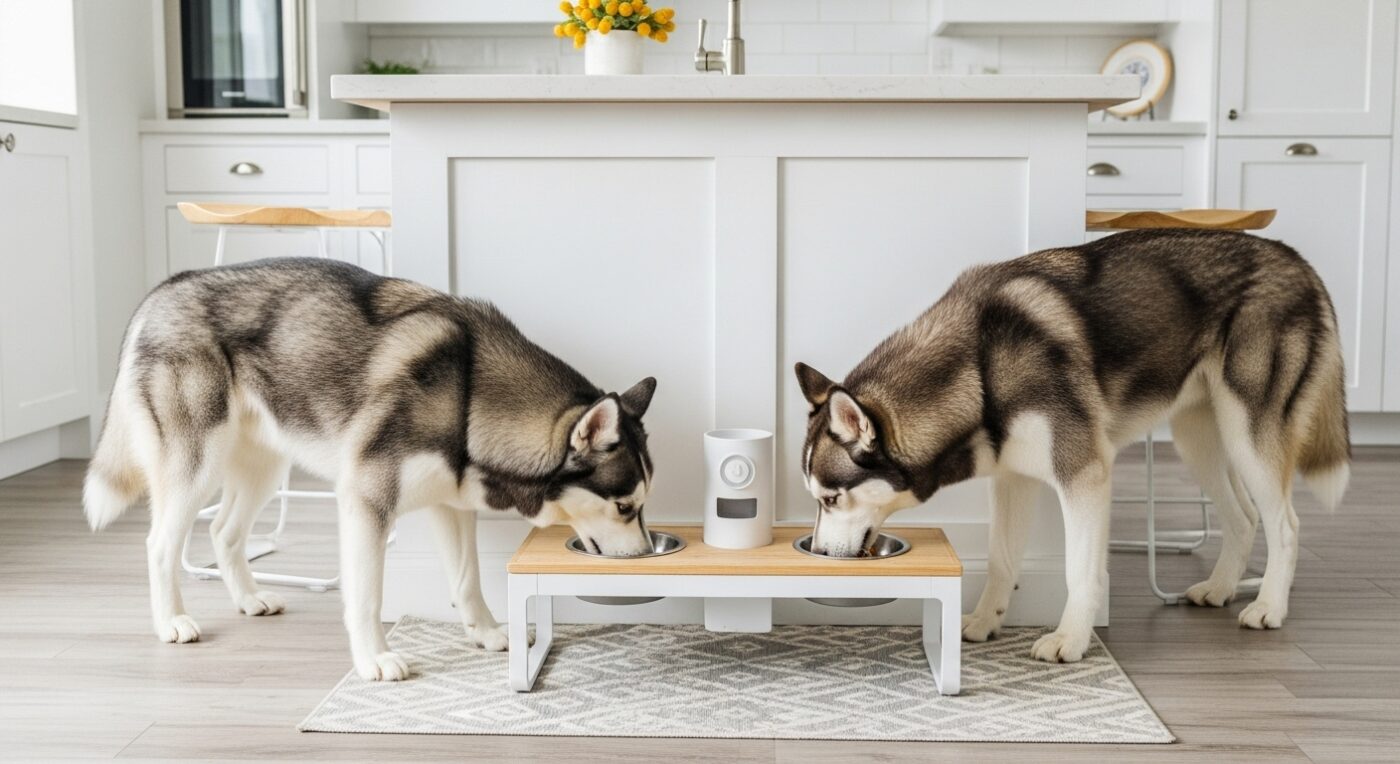
If you have more than one dog, multi-dog feeding stations simplify mealtime. These setups can accommodate two or more bowls, preventing competition and keeping everything tidy.
Designs range from long, linear stations to tiered arrangements, ensuring each dog has its own space. Some even include personalized bowl labels for each dog, adding a touch of fun and order to your feeding routine.
Tips for Choosing the Right Feeding Station
While each idea has its unique benefits, there are a few universal tips when choosing a feeding station for your dog:
Size matters: Ensure the station matches your dog’s breed and size to prevent strain or discomfort.
Easy to clean: Look for removable bowls and wipeable surfaces to maintain hygiene.
Durability: Heavy-duty materials prevent tipping and withstand energetic eaters.
Placement: Keep the station in a quiet, low-traffic area to reduce stress and mess.
By considering these factors, you can ensure your dog’s feeding station is both practical and enjoyable for years to come.
FAQ Section
Q1: What is the best feeding station for large dog breeds?
A: Elevated feeding stations are generally ideal for large breeds, as they reduce strain on joints and promote healthy digestion. Stations with built-in storage can also simplify feeding routines.
Q2: Are slow feeder stations necessary?
A: For dogs that eat too quickly, slow feeder bowls help prevent choking, bloating, and indigestion, especially in breeds prone to these issues.
Q3: Can I make a feeding station myself?
A: Absolutely! DIY pallet or wooden feeding stations are popular choices. You can customize height, bowl size, and storage according to your dog’s needs and your home décor.
Q4: How often should I clean my dog’s feeding station?
A: Bowls should be washed daily with warm, soapy water. The station itself should be wiped down at least once a week to prevent bacteria buildup.
Q5: Are travel-friendly feeding stations effective?
A: Yes, they ensure your dog eats comfortably and hygienically while on the go, making road trips or outdoor adventures less stressful.