As temperatures drop, cats—especially outdoor, stray, or senior cats—need extra protection from the cold. A well-insulated cat house provides warmth, security, and comfort while shielding your feline friend from wind, moisture, and freezing temperatures. The best part? You don’t need expensive materials or professional tools to build one.
DIY insulated cat houses are not only budget-friendly but also customizable to your space, climate, and cat’s personality. Below are 10 insanely cozy DIY insulated cat house ideas that combine warmth, practicality, and creativity—perfect for winter-ready feline shelters.
1. Styrofoam Cooler Cat House
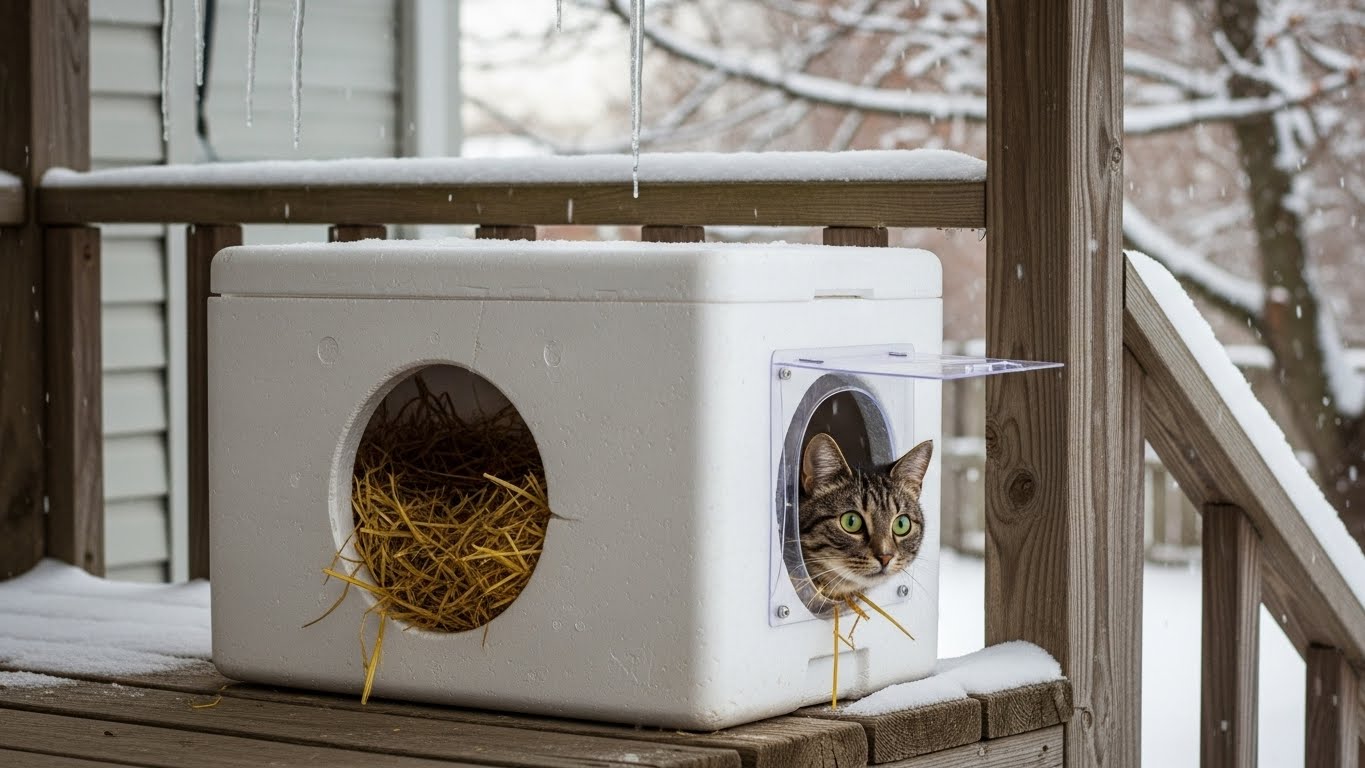
One of the most popular DIY insulated cat house ideas uses a simple styrofoam cooler. These coolers naturally retain heat, making them ideal for cold weather. By cutting a small entrance hole and adding straw or thermal bedding inside, you can create a warm, weather-resistant shelter in under an hour.
This design is especially effective for outdoor or feral cats, as it keeps warmth trapped while blocking wind and snow.
2. Wooden Insulated Cat House with Foam Panels
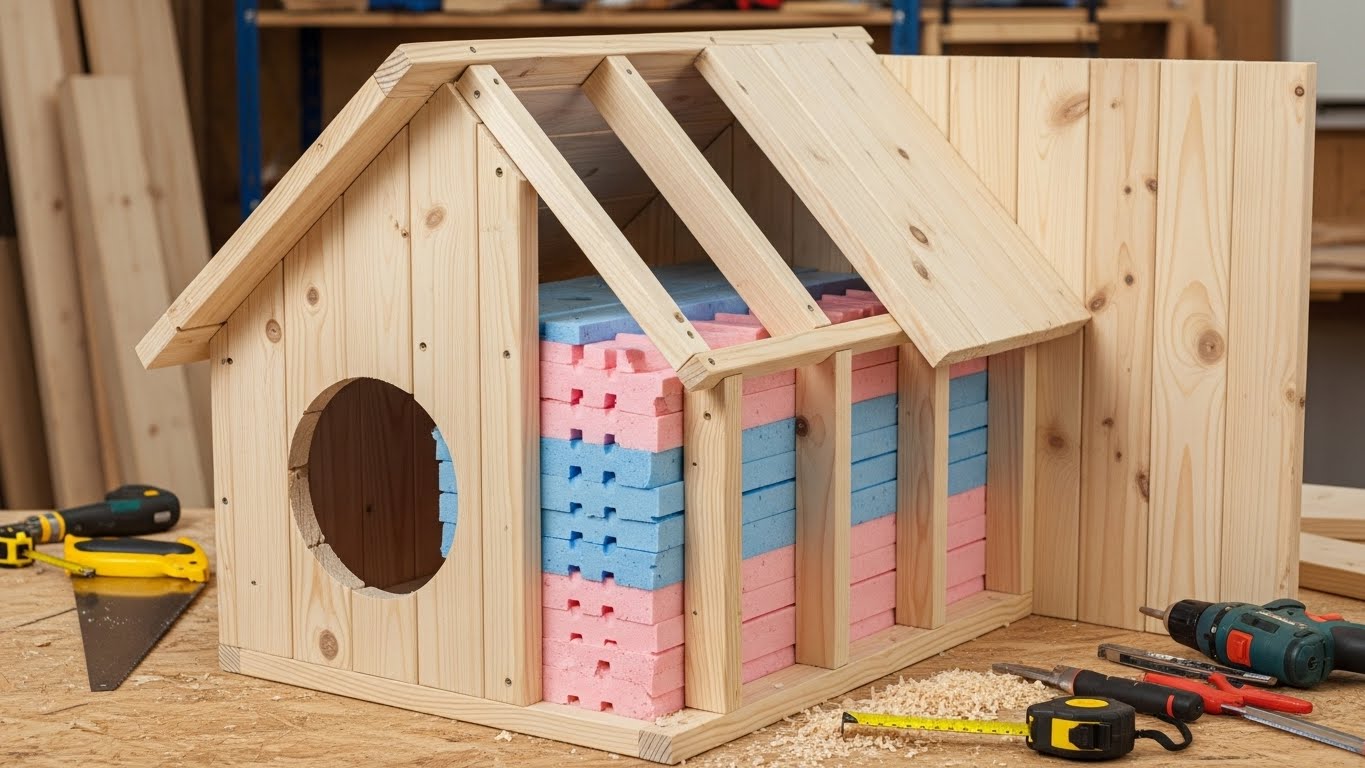
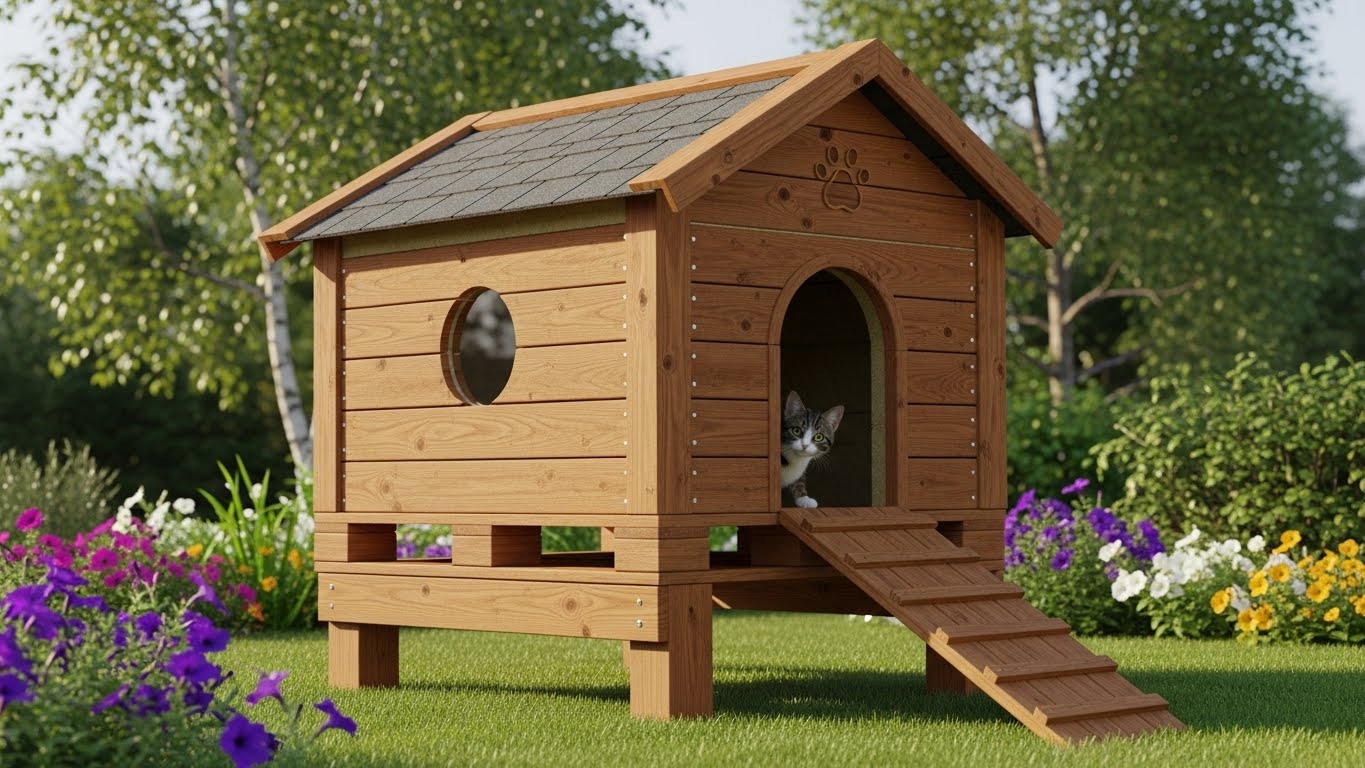
A wooden DIY cat house lined with rigid foam insulation offers durability and superior warmth. This design works well for backyards, garages, or covered patios. Foam panels placed between wooden walls help retain body heat while keeping cold air out.
Adding a raised floor prevents moisture buildup and keeps the interior dry during rainy or snowy conditions.
3. Plastic Storage Bin Insulated Cat Shelter
Large plastic storage bins make excellent insulated cat houses when properly modified. By nesting a smaller bin inside a larger one and filling the gap with insulation material like foam or reflective bubble wrap, you create a double-wall heat barrier.
This design is lightweight, waterproof, and easy to clean, making it ideal for outdoor use.
4. DIY Heated Cat House Using Thermal Pads
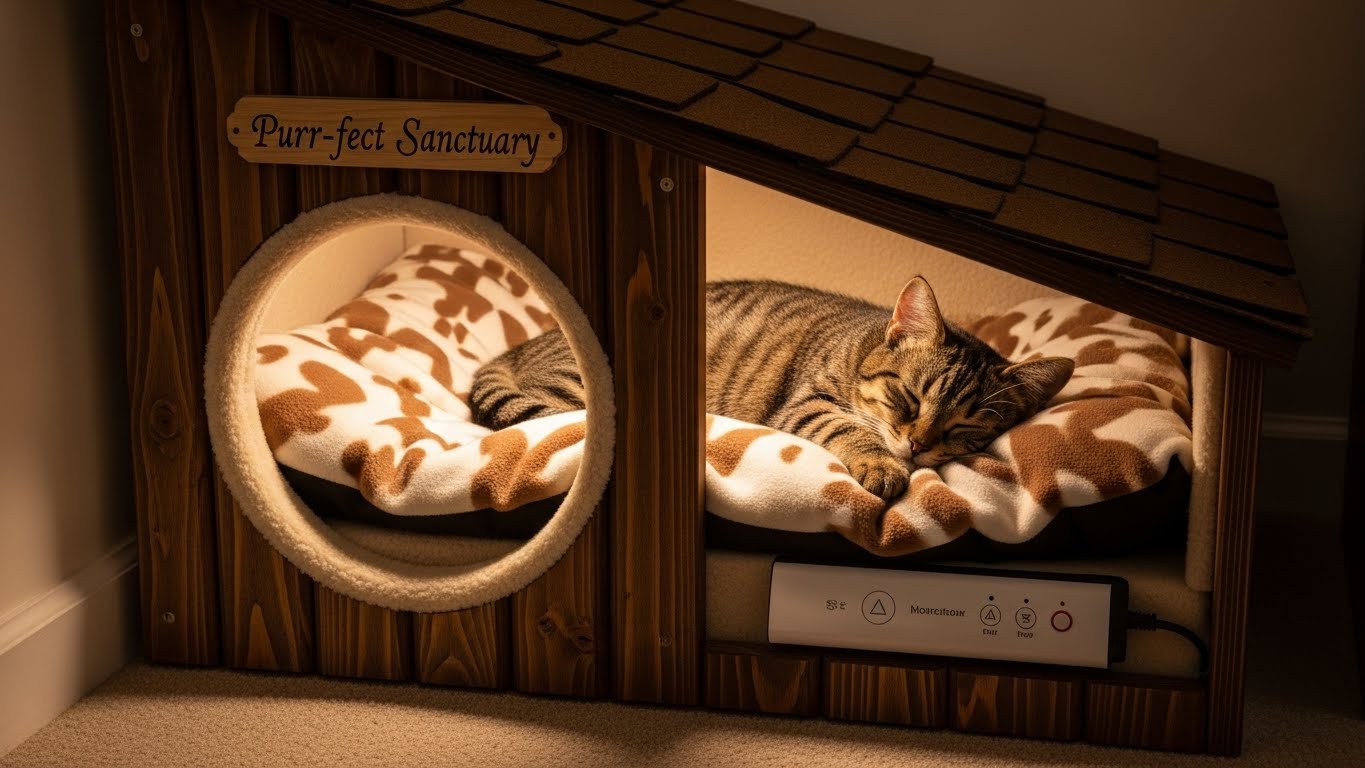
For extremely cold climates, a DIY insulated cat house can be upgraded with a pet-safe heating pad. When combined with insulated walls and weatherproof materials, this setup offers exceptional warmth for senior cats or short-haired breeds.
Always ensure cords are protected and heating elements are designed specifically for pets.
5. Cardboard Box Insulated Cat House (Indoor Use)
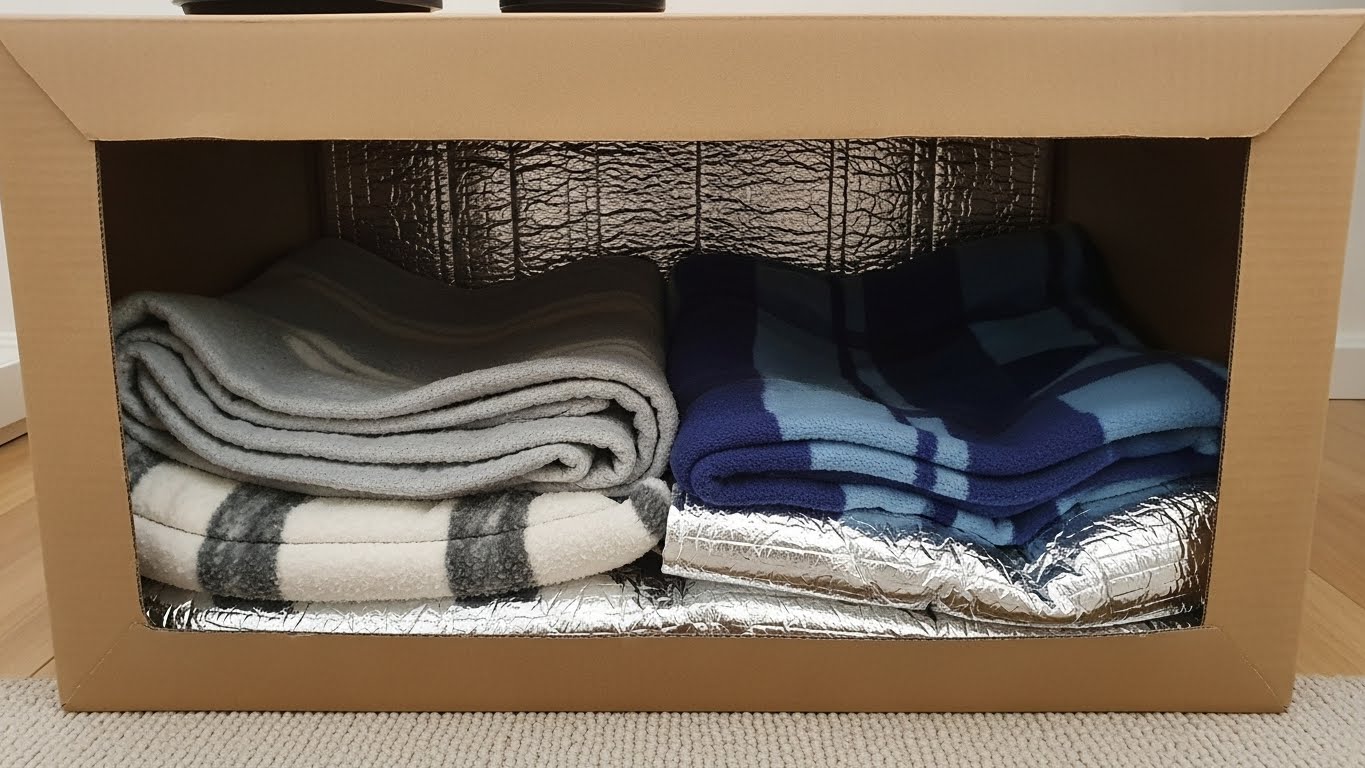
For indoor cats, a cardboard box insulated with reflective insulation and soft fabric can be surprisingly effective. While not weatherproof, this design is perfect for apartments and offers a warm, enclosed space for cats that love hiding.
Layering blankets and insulating panels helps trap body heat while keeping the structure lightweight.
6. DIY Cat House with Wind-Proof Entry Flap
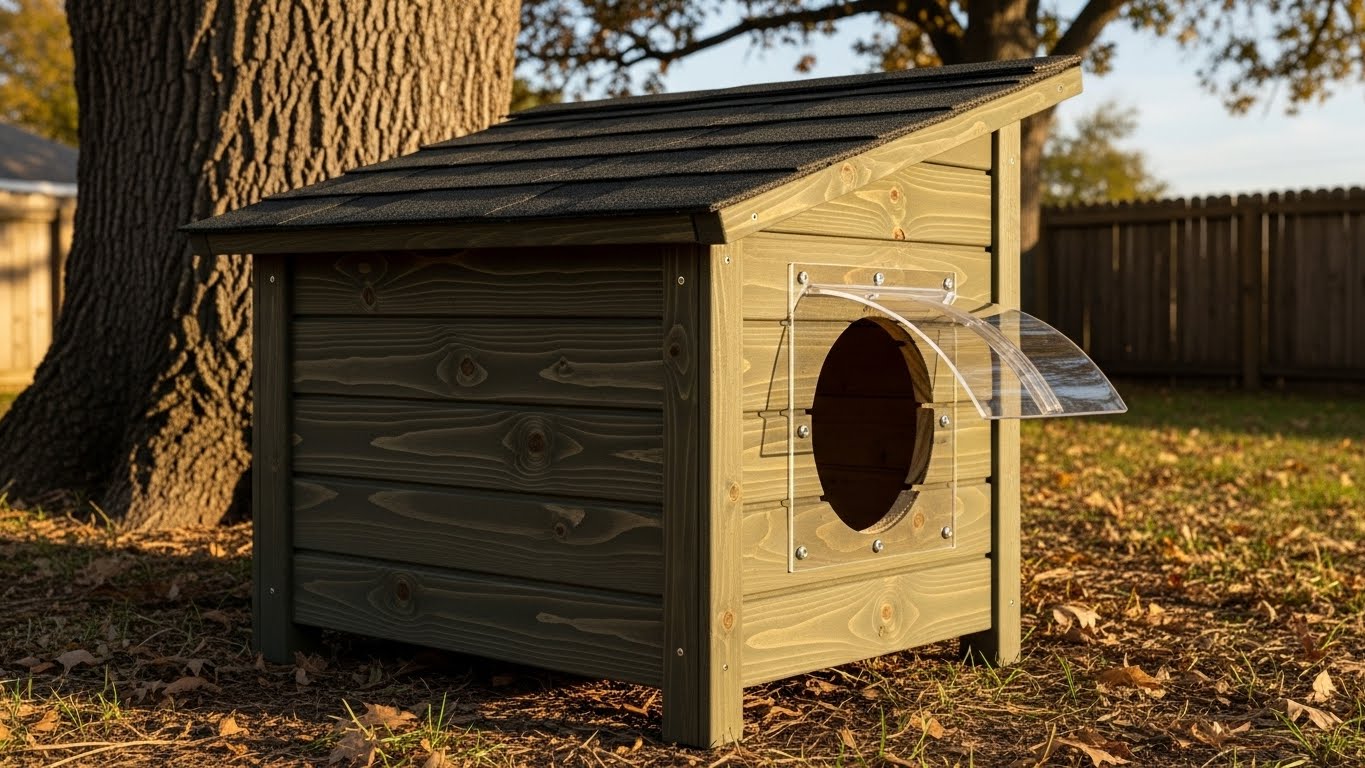
Adding a plastic or vinyl flap over the entrance dramatically improves insulation by blocking cold air. This simple upgrade can be applied to almost any DIY cat house design and is especially useful for outdoor shelters.
Cats quickly learn to push through the flap, and the warmth retention is significantly improved.
7. Raised Pallet Cat House with Insulation
Using wooden pallets to elevate your DIY insulated cat house helps protect cats from cold ground temperatures. Elevation also reduces moisture exposure and improves airflow beneath the shelter.
When combined with insulated walls and straw bedding, this design provides a dry, warm environment even in harsh weather.
8. DIY Cat House with Reflective Emergency Blanket Lining
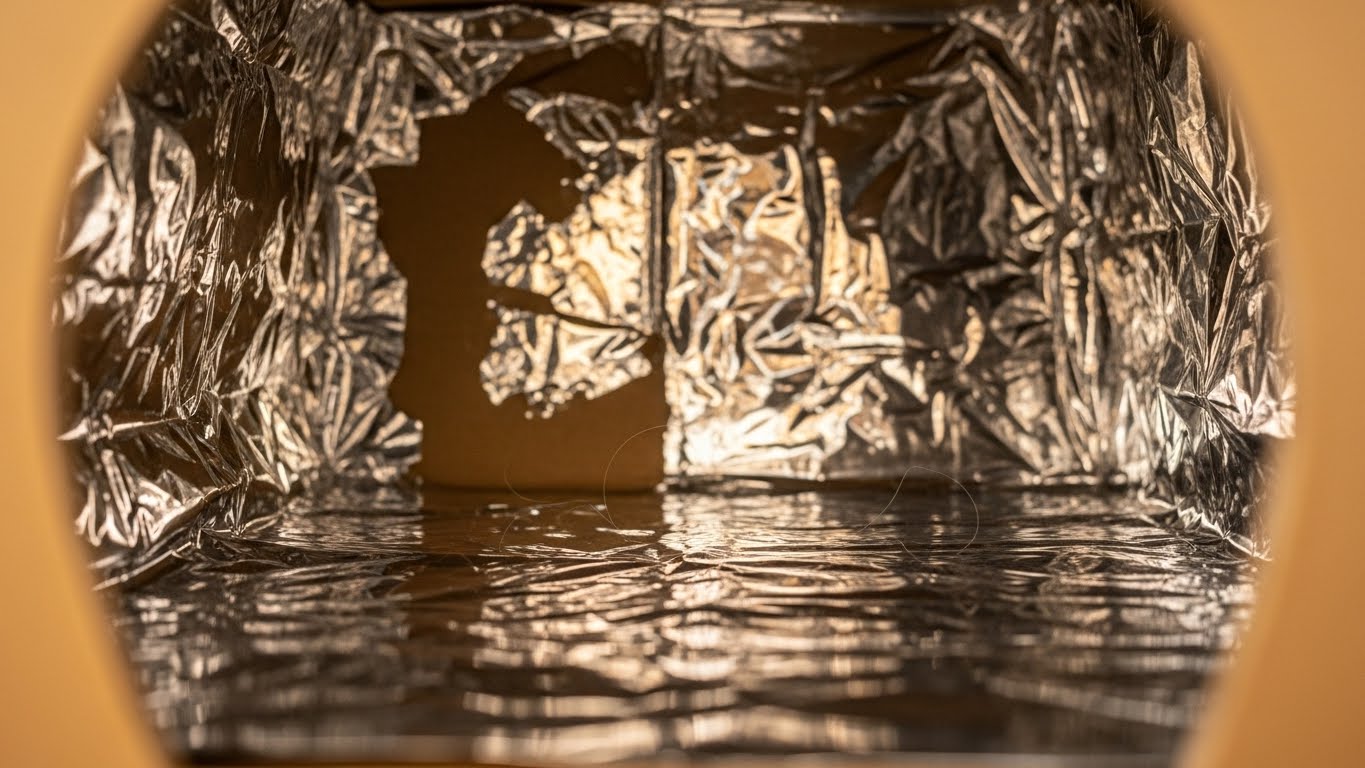
Emergency Mylar blankets are excellent at reflecting body heat. Lining the interior walls of a DIY cat house with reflective material significantly boosts warmth without adding bulk.
This option is budget-friendly and especially useful for temporary or emergency shelters.
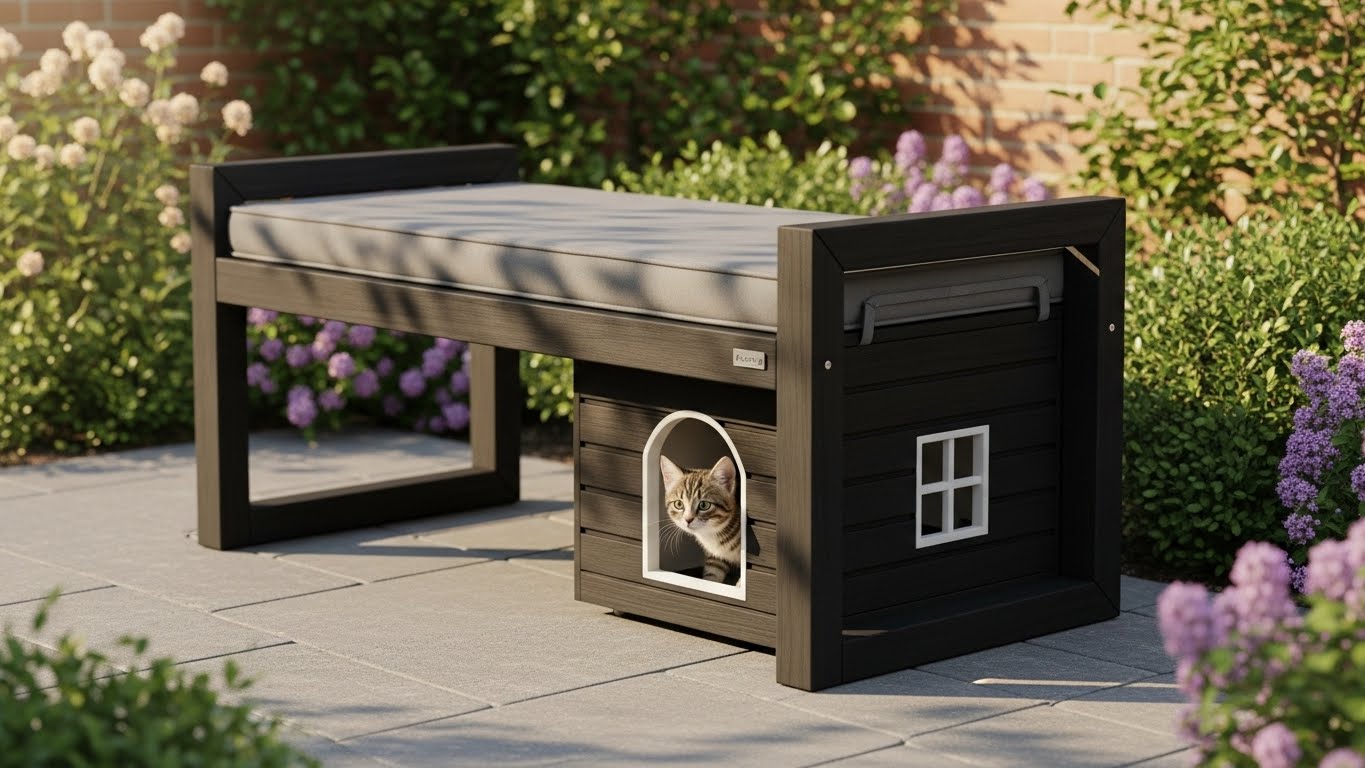
9. Insulated Cat House Hidden in Decorative Furniture
For homeowners who care about aesthetics, insulated cat houses can be disguised as benches, storage boxes, or side tables. These designs blend seamlessly into patios or indoor spaces while still providing warmth and comfort.
Insulation panels can be hidden between decorative wooden layers without affecting visual appeal.
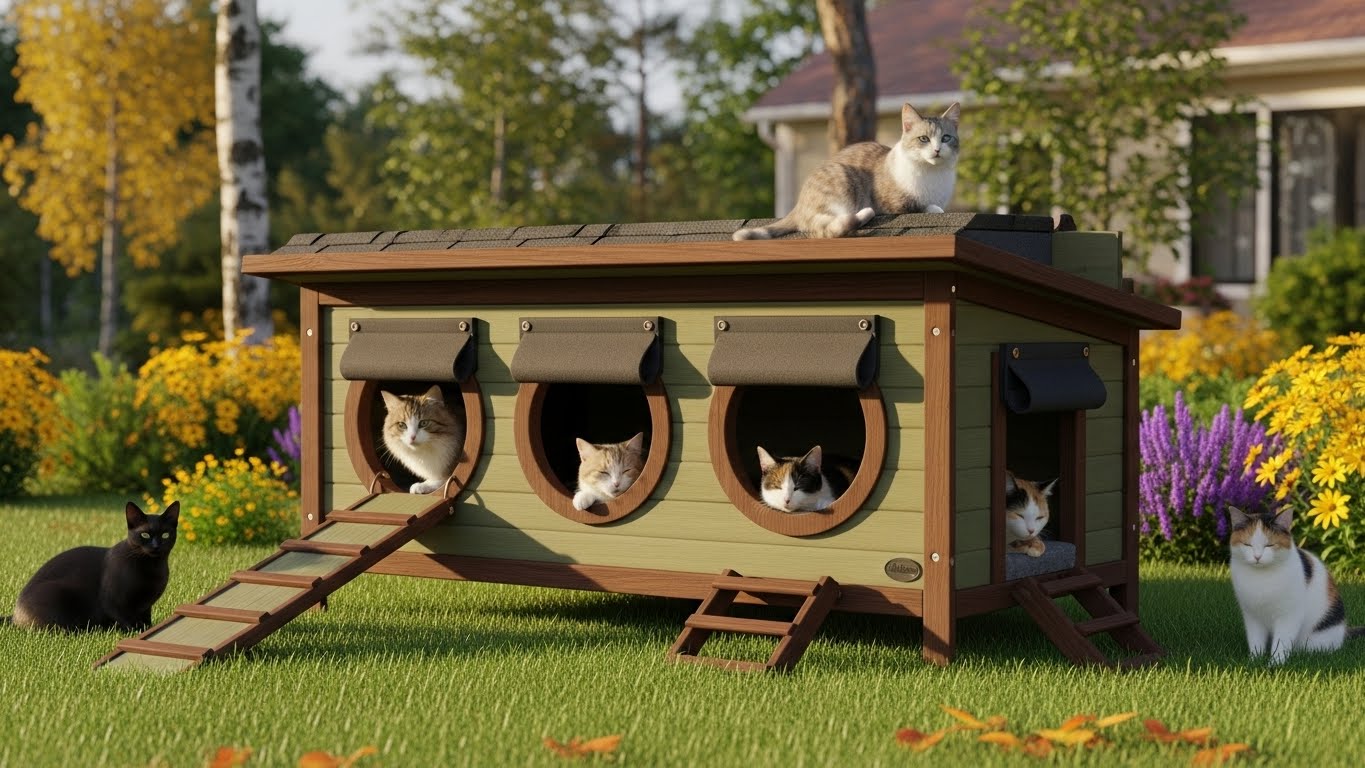
10. DIY Multi-Cat Insulated Shelter
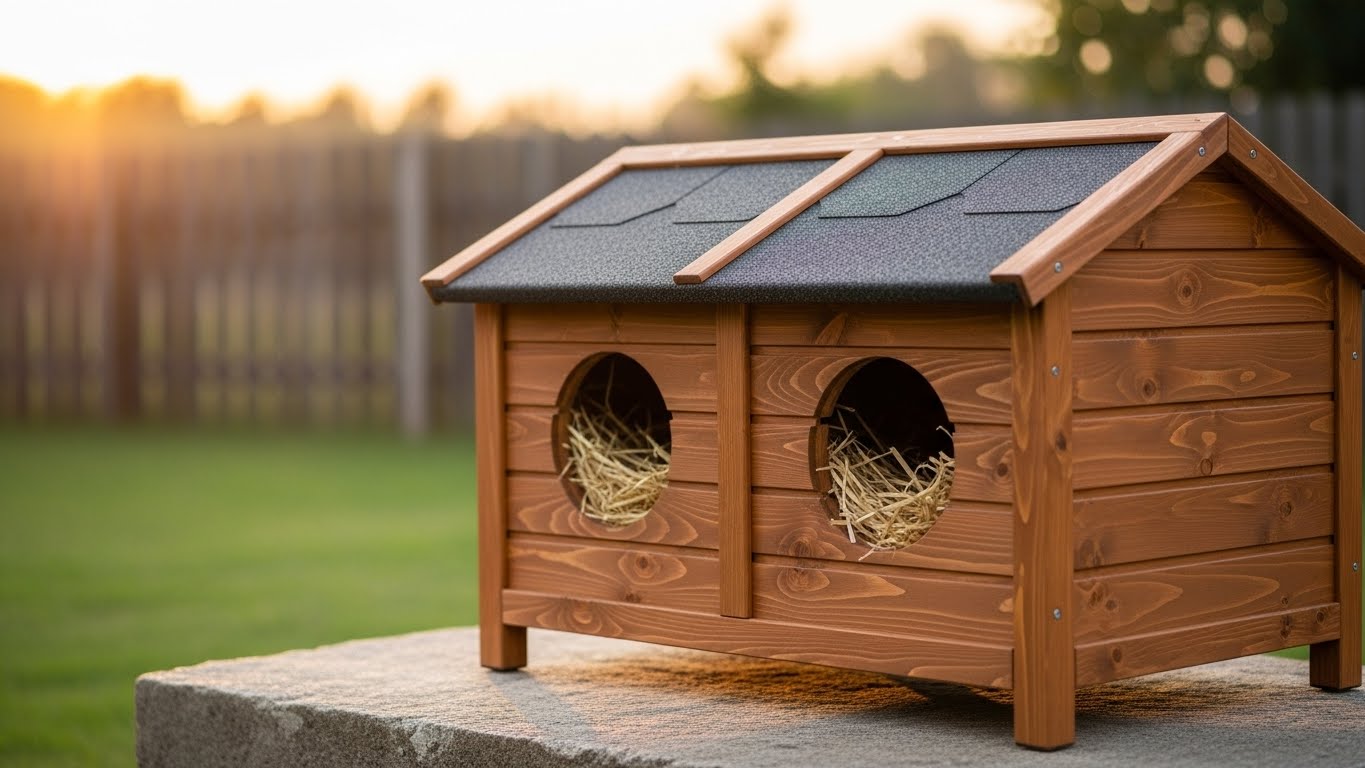
If you care for multiple cats, a larger insulated shelter with separate compartments helps retain warmth while preventing overcrowding stress. Dividers help trap heat more efficiently and give cats their own resting areas.
This design is ideal for community cats or multi-cat households.
Best Bedding for Insulated Cat Houses
Straw is the most recommended bedding for outdoor insulated cat houses because it repels moisture and retains heat. Avoid blankets or towels outdoors, as they absorb moisture and can freeze. For indoor shelters, fleece or thermal pads work best.
Frequently Asked Questions (FAQ)
What is the best insulation for a DIY cat house?
Foam insulation, reflective Mylar, and straw are among the most effective materials for retaining heat in DIY cat houses.
Are DIY insulated cat houses safe for outdoor cats?
Yes, when built properly with waterproof materials, raised floors, and wind-blocking entrances, DIY insulated cat houses are safe and highly effective.
Should I use blankets inside outdoor cat houses?
No, blankets can absorb moisture and freeze. Straw is the safest option for outdoor use.
Final Thoughts
DIY insulated cat houses are a powerful way to protect cats from harsh weather while offering warmth, comfort, and security. Whether you’re helping an outdoor cat survive winter or creating a cozy retreat for an indoor feline, these ideas prove that a little creativity goes a long way.