Rabbits are curious, intelligent, and highly sensitive animals that thrive in environments where they feel safe, stimulated, and free to move naturally. While indoor living works for many bunny owners, a well-designed outdoor rabbit habitat can provide fresh air, space to hop, and natural enrichment that greatly improves a rabbit’s quality of life.
However, outdoor housing requires thoughtful planning. Without proper shelter, protection, and layout, outdoor rabbits can face risks from predators, weather extremes, and stress. That’s why choosing the right outdoor bunny habitat design is essential—not just for comfort, but for long-term health and safety.
In this guide, we’ll explore 10 amazing outdoor bunny habitat ideas, each designed to balance freedom, security, and enrichment. Whether you have a backyard, garden, or farm-style space, these ideas will help you create a rabbit-friendly outdoor setup that meets both physical and emotional needs.
Why Outdoor Bunny Habitats Need Special Design Considerations
Unlike wild rabbits, domesticated bunnies rely entirely on humans for safety. Outdoor habitats must protect them from predators such as dogs, cats, foxes, and birds of prey, while also shielding them from heat, cold, rain, and wind.
A well-designed habitat allows rabbits to dig, explore, and relax without feeling exposed. It should also encourage natural behaviors like grazing, hopping, and social interaction, which are essential for mental stimulation and emotional well-being.
1. Secure Wooden Hutch with Attached Run
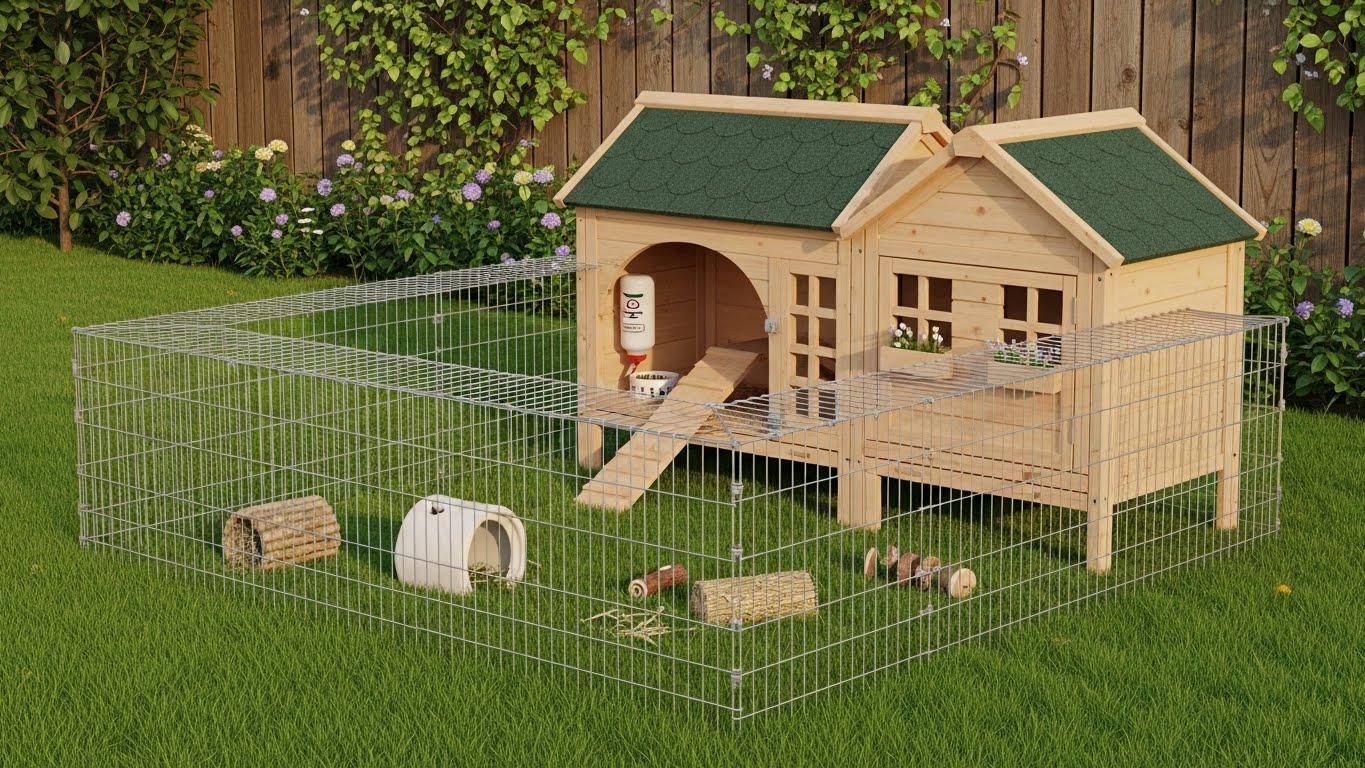
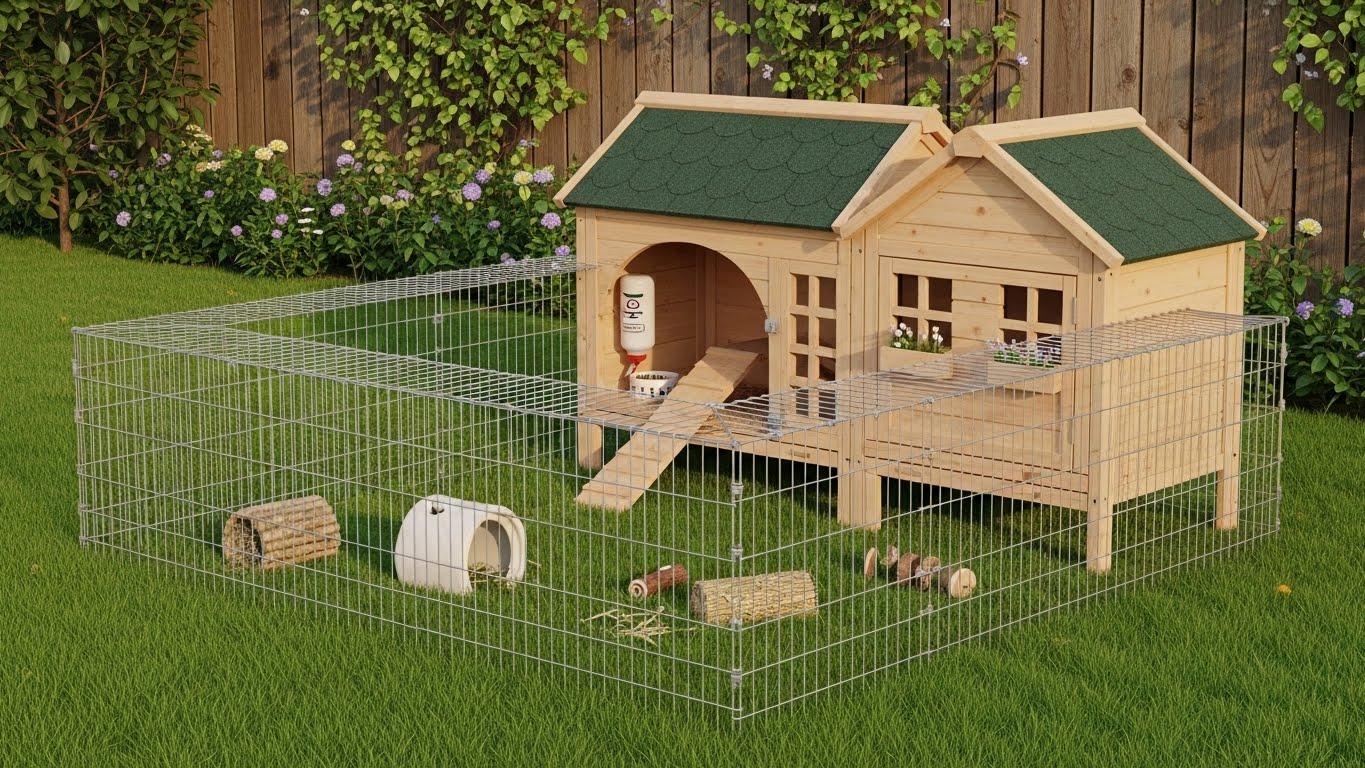
A classic outdoor bunny habitat starts with a solid wooden hutch connected to an enclosed run. The hutch provides shelter and rest, while the run allows rabbits to exercise freely during the day.
This setup works best when elevated slightly off the ground to prevent moisture buildup and discourage pests. The attached run should use galvanized wire with small spacing to keep predators out and prevent escapes.
2. Predator-Proof Ground-Level Bunny Enclosure
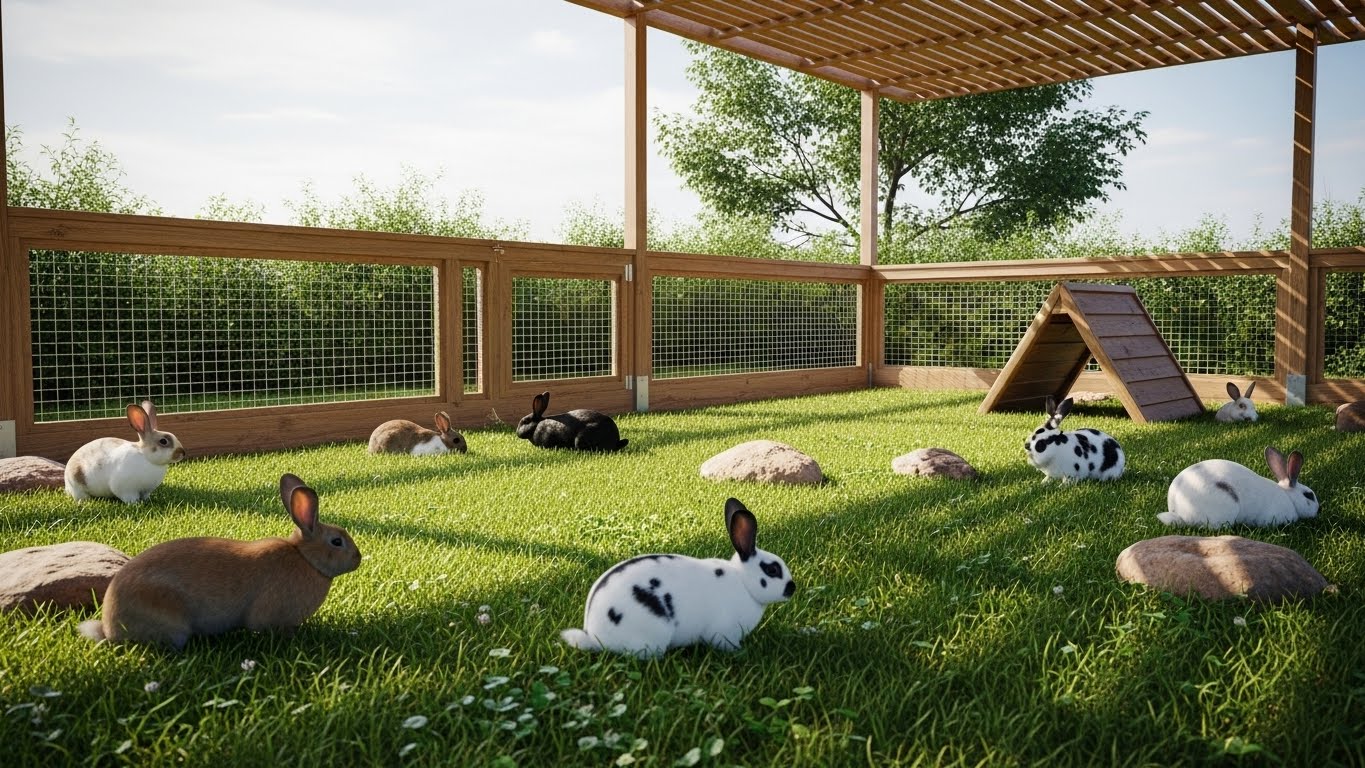
For owners who want a more natural ground experience, a fully enclosed ground-level habitat can be ideal. This type of enclosure allows rabbits to feel connected to the earth while remaining protected.
To prevent digging escapes, the enclosure floor should include buried wire mesh extending at least 12 inches below ground. A solid roof or wire top is crucial to protect against birds and climbing predators.
3. Natural Garden Bunny Habitat
A garden-based bunny habitat blends seamlessly into outdoor landscapes and provides excellent enrichment. These habitats incorporate rabbit-safe plants, grassy patches, and shaded hiding areas.
Raised garden beds or fenced zones can be used to protect sensitive plants while allowing rabbits to graze on safe herbs like basil, parsley, and cilantro. This setup encourages natural foraging behavior, which helps reduce boredom and stress.
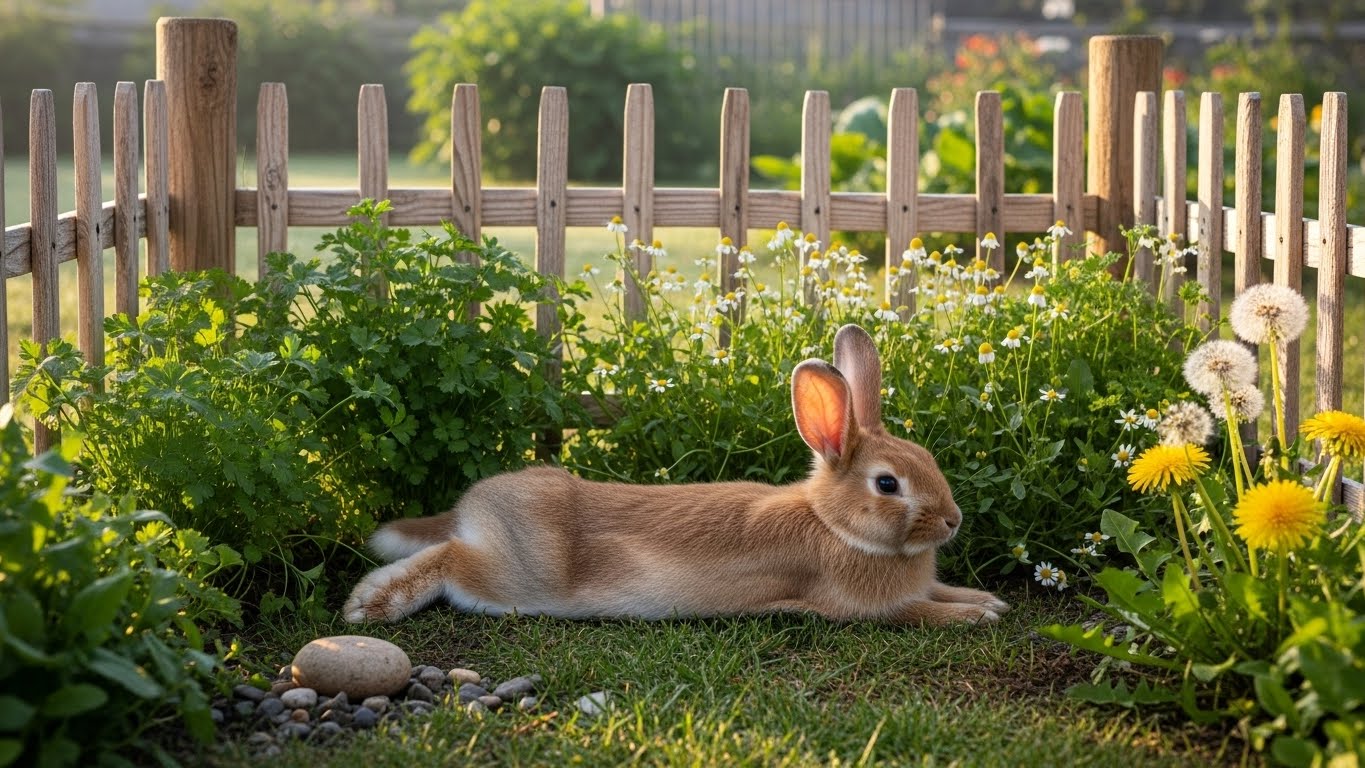
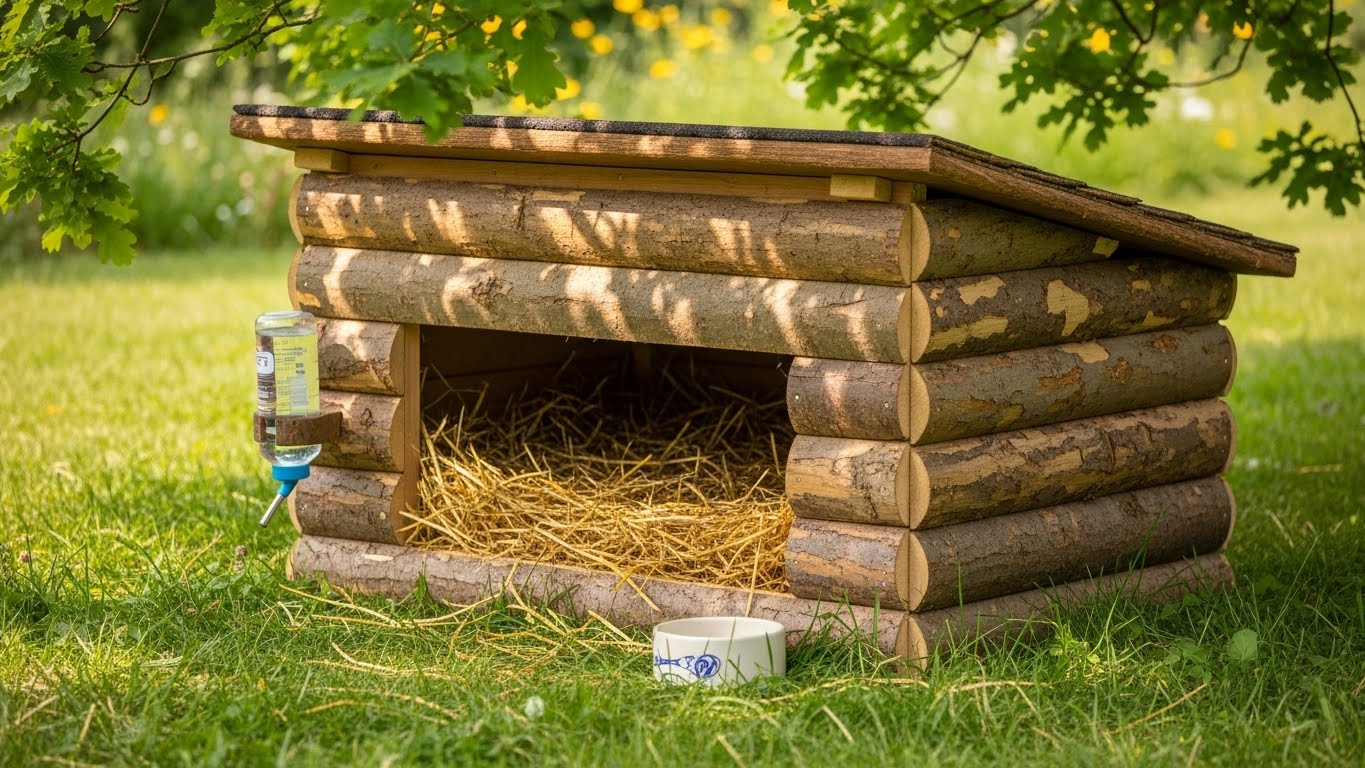
4. Insulated All-Weather Rabbit Shelter
In regions with extreme temperatures, an insulated outdoor rabbit shelter is essential. These habitats are designed to keep rabbits warm in winter and cool during summer.
Insulation panels, weatherproof roofing, and adjustable ventilation help regulate temperature. During colder months, straw bedding adds warmth, while summer cooling tiles or frozen water bottles prevent overheating.
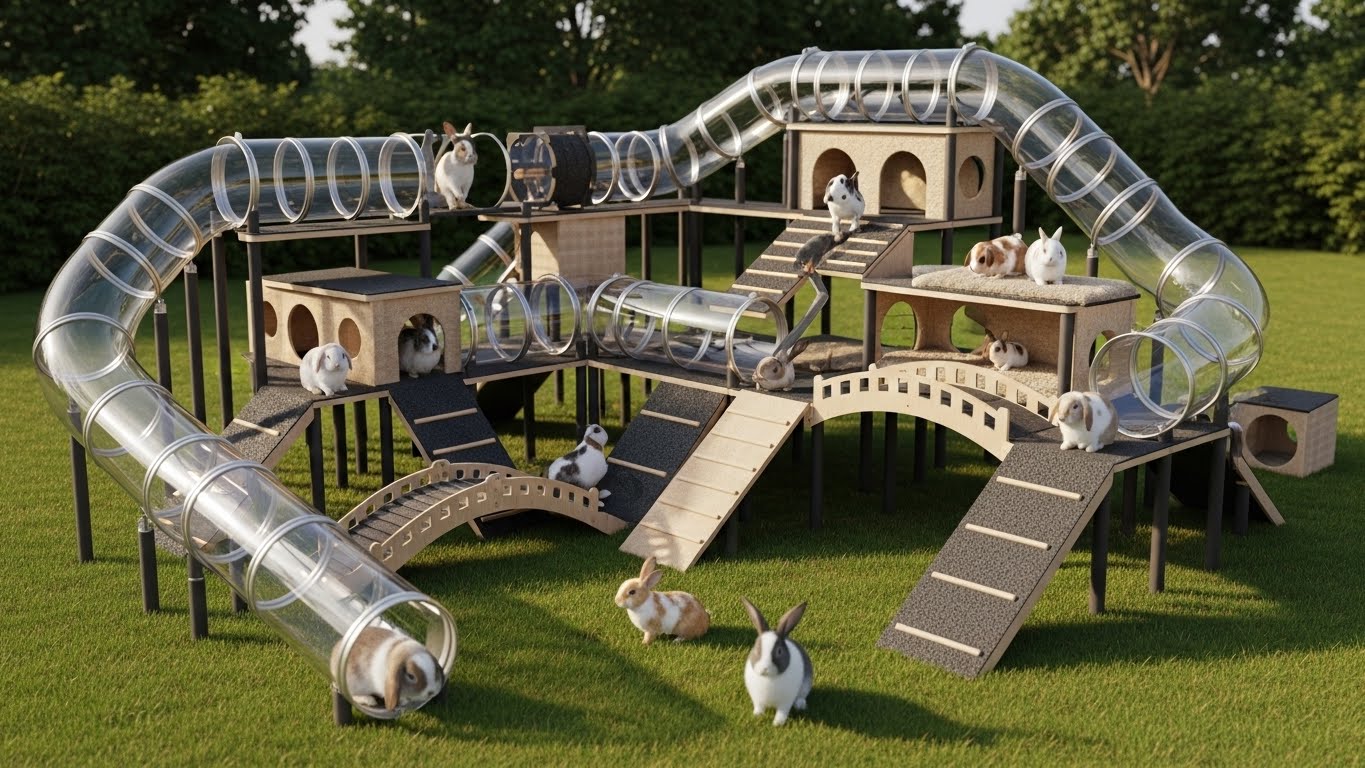
5. Modular Outdoor Bunny Play Zone
Modular habitats allow owners to rearrange tunnels, ramps, and enclosed areas to keep rabbits mentally stimulated. These systems are perfect for curious or energetic rabbits that thrive on novelty.
By rotating layout elements weekly, owners can prevent boredom while encouraging exercise. Modular designs also make cleaning and maintenance easier.
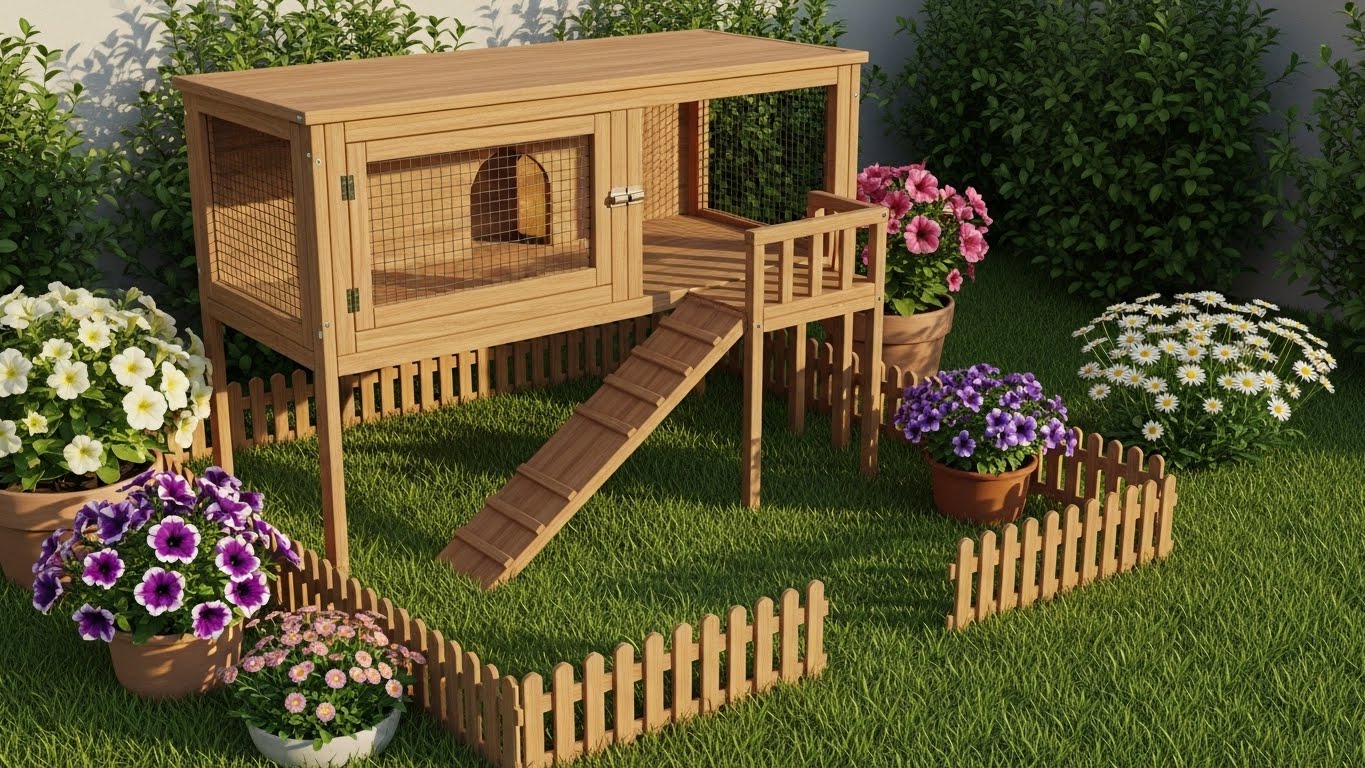
6. Elevated Platform Habitat for Small Yards
Limited space doesn’t mean limited quality. Elevated platform habitats are perfect for small backyards or patios, offering rabbits a secure living space without occupying much ground area.
These designs often include ramps, shaded resting platforms, and enclosed sleeping boxes. Elevation helps protect rabbits from ground predators and damp conditions.
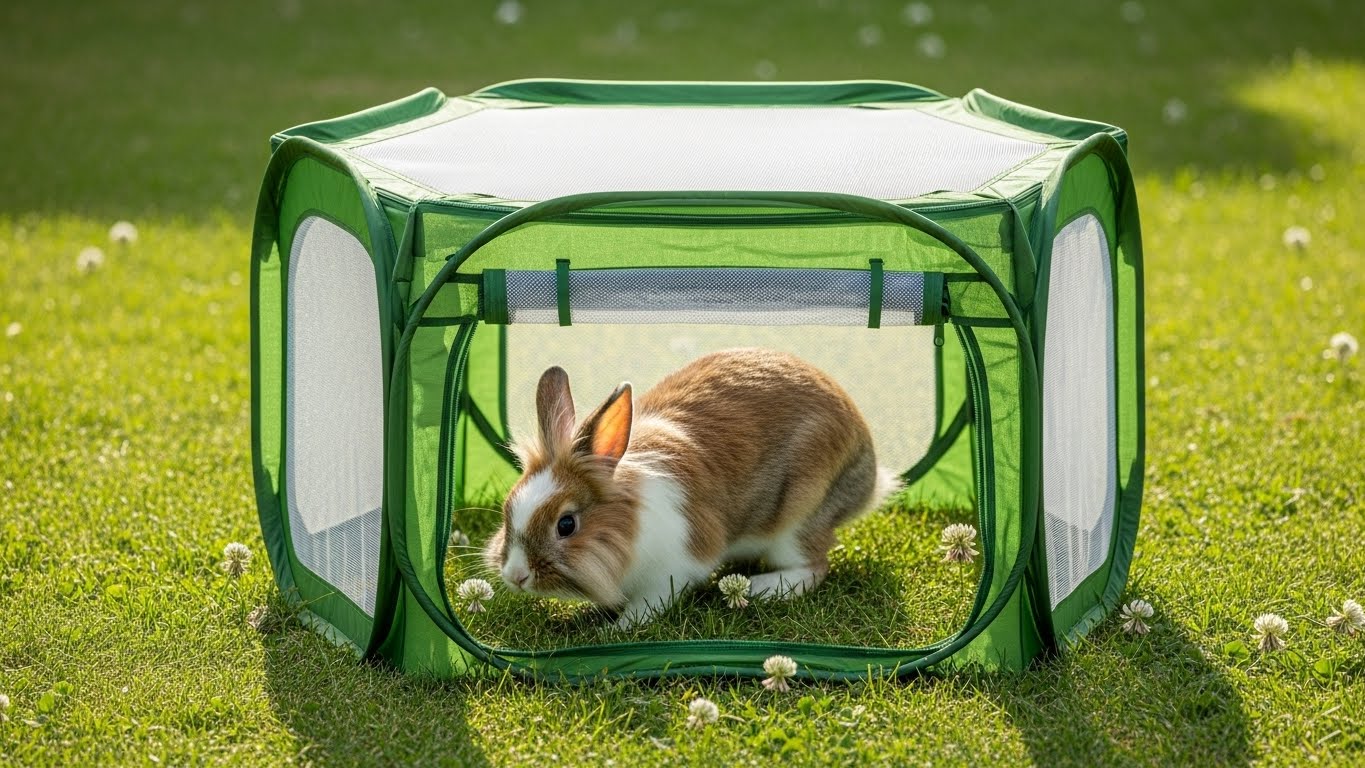
7. Portable Outdoor Bunny Playpen
Portable playpens allow rabbits to enjoy fresh grass while remaining supervised. These lightweight enclosures can be moved daily to provide new grazing areas and reduce lawn damage.
While not suitable for overnight housing, portable playpens are excellent for daytime enrichment and bonding time with owners.
8. Farm-Style Open Habitat with Secure Perimeter
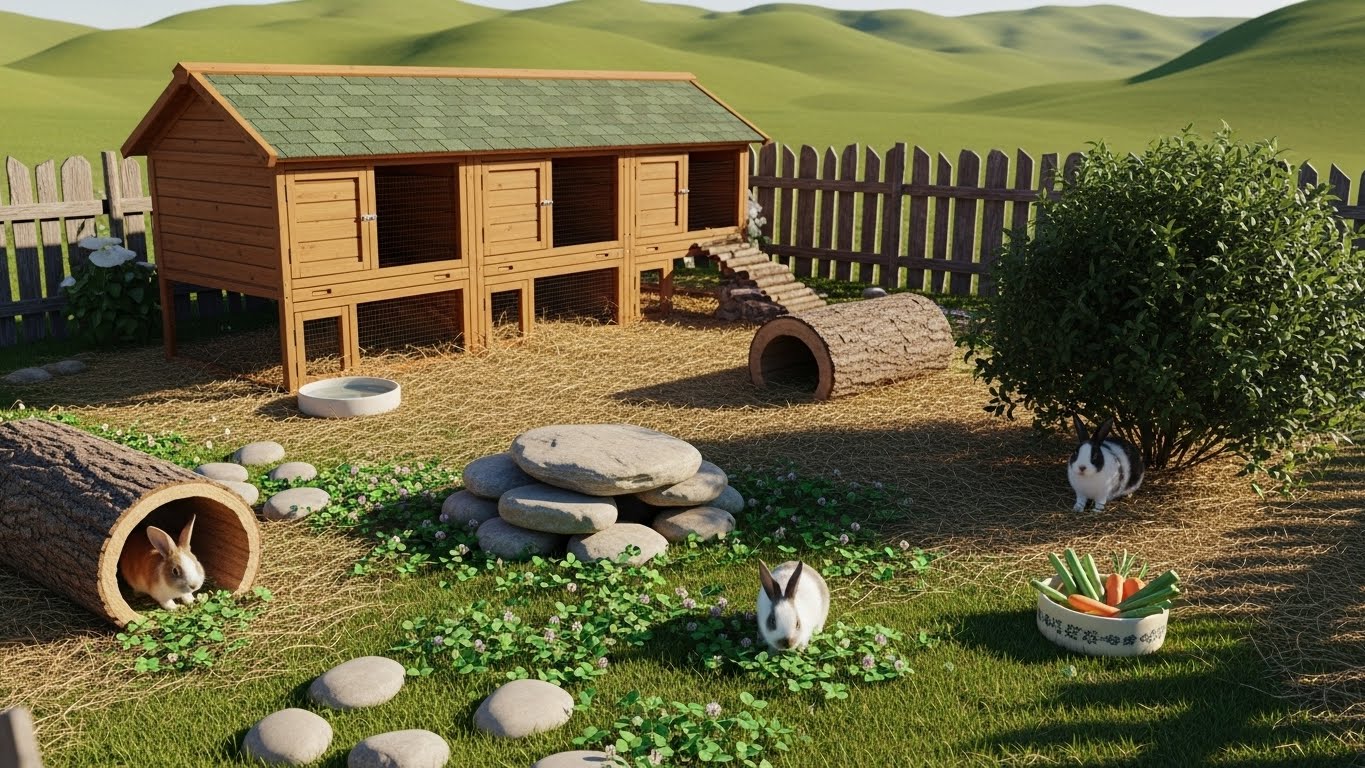
For rural or farm settings, a larger open habitat enclosed by reinforced fencing offers rabbits plenty of space to roam. These habitats mimic natural environments while maintaining safety.
Multiple hiding spots, shaded shelters, and feeding stations help rabbits feel secure even in open layouts. Constant monitoring and predator deterrents are essential in these setups.
9. DIY Eco-Friendly Bunny Habitat
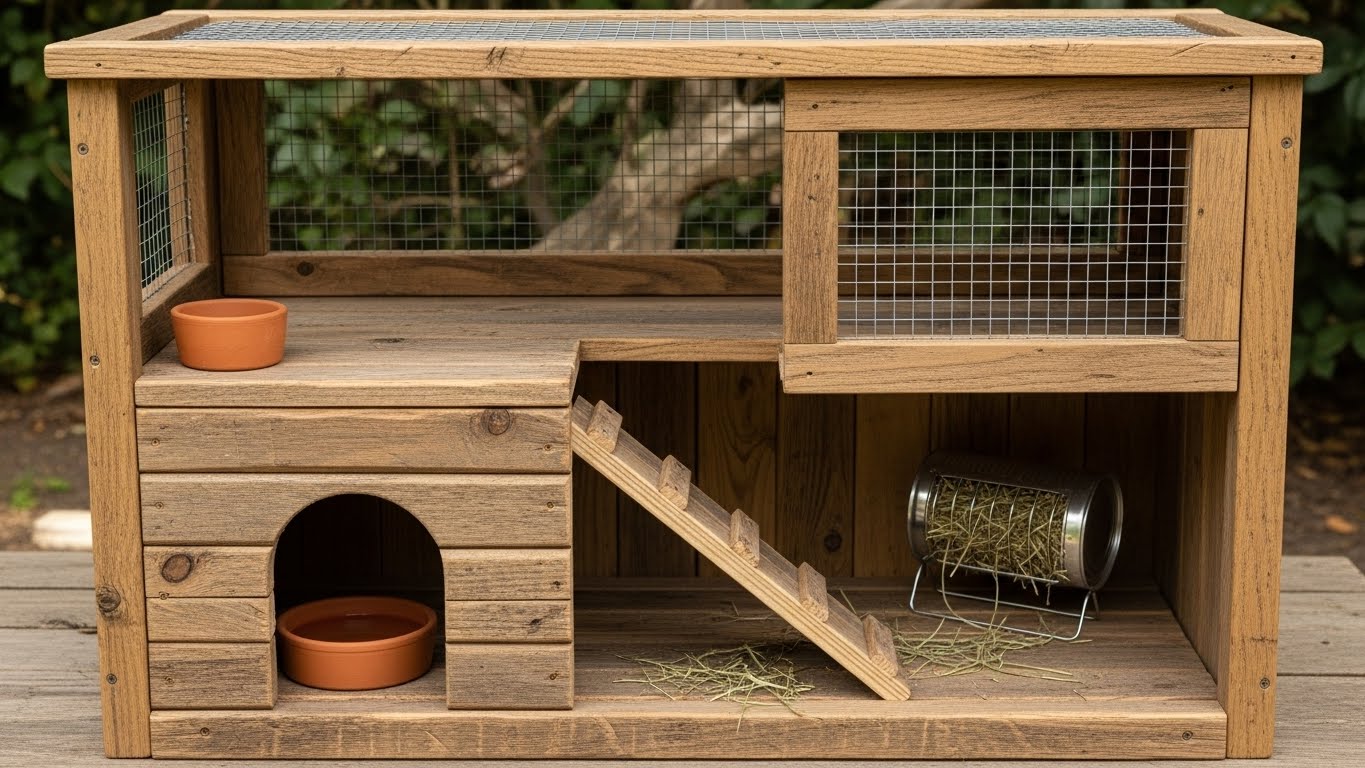
Eco-conscious owners can build habitats using reclaimed wood, recycled plastic panels, and natural insulation materials. These habitats reduce environmental impact while remaining functional and safe.
Proper sealing and smooth finishes are important to prevent injuries. Eco-friendly designs often integrate solar-powered lights or rainwater collection systems for added sustainability.
10. Combined Indoor-Outdoor Bunny Habitat
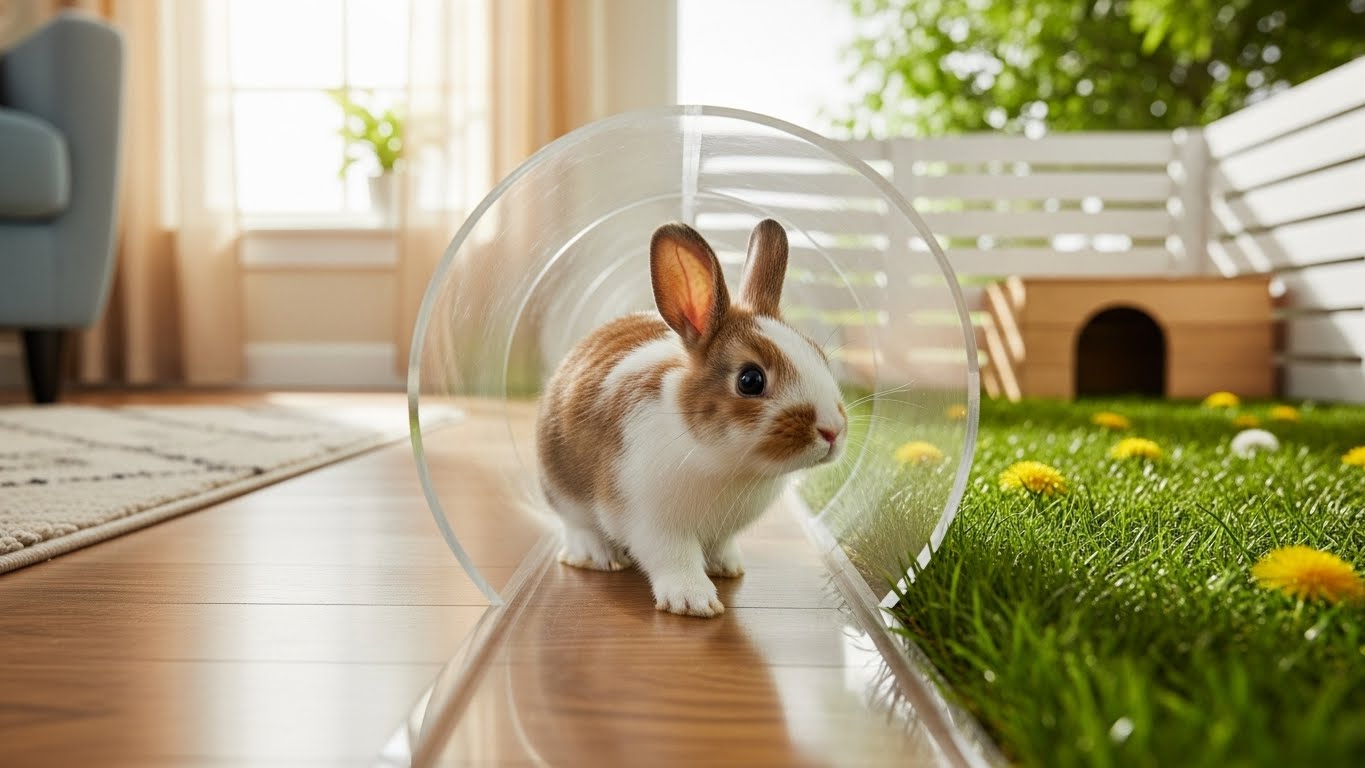
A hybrid setup allows rabbits to move freely between indoor and outdoor spaces through a secure tunnel or door. This design offers the best of both worlds: indoor safety and outdoor enrichment.
This option is ideal for climates with unpredictable weather and allows rabbits to self-regulate comfort levels.
How to Choose the Right Outdoor Bunny Habitat
Choosing the best habitat depends on climate, available space, and your rabbit’s personality. Active rabbits need room to explore, while shy rabbits benefit from enclosed, quiet environments. Always prioritize safety, ventilation, and easy access for cleaning.
FAQ: Outdoor Bunny Habitats
Can rabbits live outside year-round?
Yes, rabbits can live outdoors year-round if their habitat is properly insulated, predator-proof, and adapted to seasonal temperature changes.
How much space does an outdoor bunny need?
A rabbit should have enough space to hop at least three times in a row and fully stretch out. Larger enclosures significantly improve physical and mental health.
Are outdoor rabbits happier than indoor rabbits?
Happiness depends on enrichment, safety, and social interaction—not just location. Outdoor habitats offer natural stimulation, but only when designed correctly.
How do I protect outdoor rabbits from predators?
Use reinforced wire mesh, secure locks, covered tops, and buried fencing. Regularly inspect the enclosure for weak points.
Conclusion
Creating an outdoor bunny habitat is more than building a cage—it’s about designing a safe, enriching environment where rabbits can thrive. With the right structure, protection, and thoughtful layout, outdoor living can dramatically improve your rabbit’s happiness and health.
By choosing one of these 10 amazing outdoor bunny habitat ideas, you’re not just giving your rabbit space—you’re giving them a better life filled with comfort, curiosity, and freedom.