Introduction: Why Hypoallergenic Dogs Need Special Care
Hypoallergenic dogs are becoming increasingly popular among pet lovers who suffer from allergies but still dream of having a furry friend. Breeds like Poodles, Maltipoos, and Portuguese Water Dogs are known for their low-shedding coats, which produce fewer allergens. But here’s the truth — owning a hypoallergenic dog doesn’t mean you can skip grooming or maintenance.
Their unique coats require regular brushing, washing, and professional grooming to stay clean and tangle-free. Without proper care, even low-shedding dogs can develop mats, skin irritation, or unpleasant odors that trigger allergic reactions.
In 2025, with so many new grooming tools, natural shampoos, and allergen-free products available, keeping your hypoallergenic pup healthy and comfortable has never been easier. This guide covers everything you need to know — from grooming routines and nutrition to cleaning tips that minimize allergens at home.
Understanding Hypoallergenic Dogs
A “hypoallergenic” dog doesn’t mean “allergy-proof.” It simply means the breed produces fewer allergens compared to others. Allergies in humans are triggered by a protein found in a dog’s dander (dead skin cells), saliva, and urine — not necessarily their fur.
Breeds like the Bichon Frise, Schnauzer, and Lagotto Romagnolo have curly or wiry coats that trap dander and prevent it from spreading into the air. However, if their coats aren’t maintained properly, dander can build up and worsen allergy symptoms.
Regular grooming, balanced nutrition, and keeping your home environment clean all play a vital role in reducing allergens and keeping your dog’s coat shiny and healthy.
The Importance of a Grooming Routine
Grooming is the foundation of caring for a hypoallergenic dog. Their coats don’t shed like regular breeds, so loose hair and dead skin cells remain trapped unless brushed or washed away.
Ideally, you should brush your dog every few days and bathe them every 3–4 weeks. Regular grooming prevents tangles and matting — two issues that can lead to discomfort and skin infections. It also helps distribute natural oils across the coat, keeping it soft and glossy.
Establishing a calm grooming routine at home also strengthens your bond. Make grooming a positive experience by rewarding your dog afterward with affection or treats. Over time, your pup will begin to associate grooming with comfort rather than stress.
Brushing: The Key to a Healthy, Allergy-Free Coat
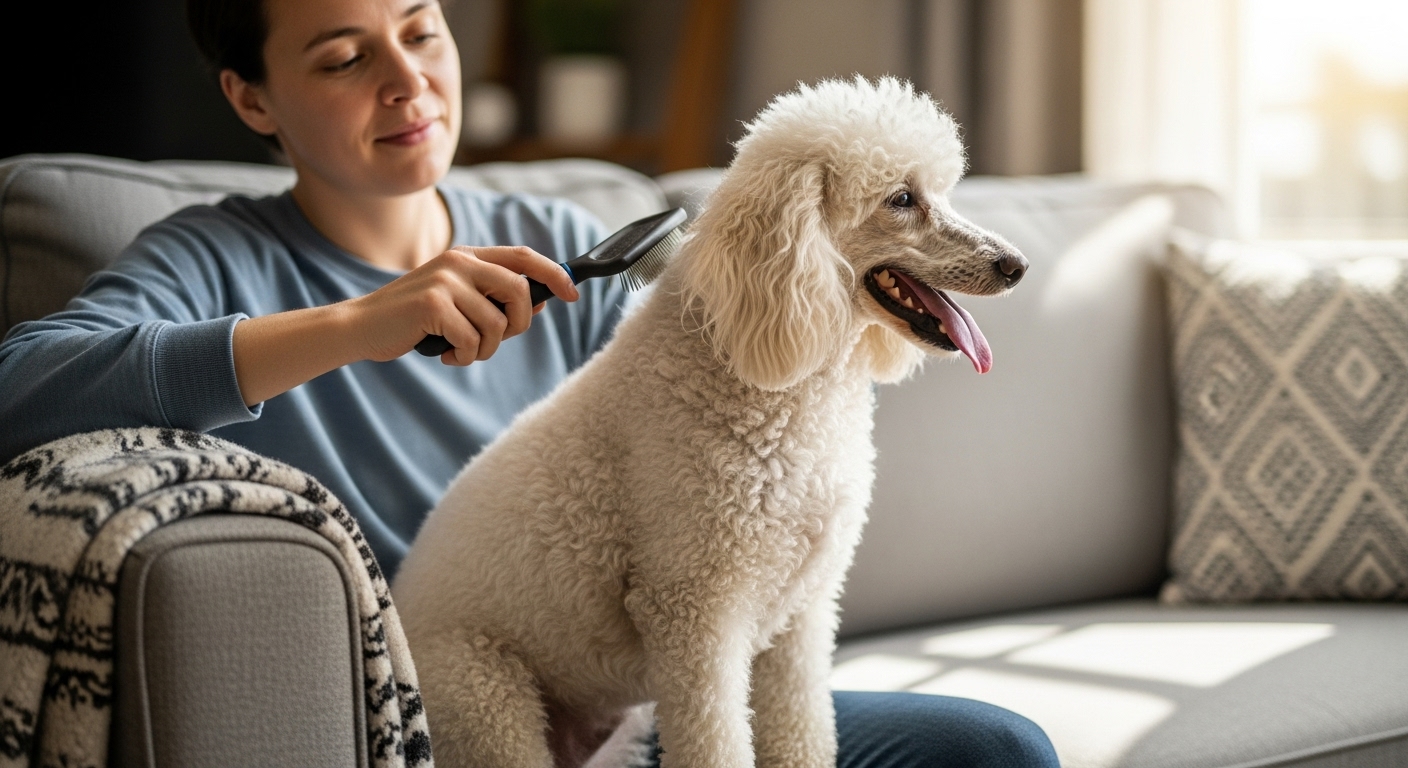
Different hypoallergenic breeds require different types of brushes. For curly-coated dogs like Poodles or Doodles, a slicker brush works best to remove tangles. For wiry coats, a pin brush or grooming rake helps manage dead hair effectively.
Brushing also gives you a chance to inspect your dog’s skin for signs of redness, dryness, or fleas. These issues can appear subtly but cause discomfort if left untreated.
Try to brush in gentle, slow strokes, starting from the legs and moving toward the back. Never yank or rush — it can hurt your dog or make grooming a negative experience.
For 2025, new eco-friendly grooming tools made from bamboo or recycled materials are trending — they’re great for both your pup and the planet.
Bathing and Coat Maintenance
Bathing is essential for keeping allergens under control. Use a hypoallergenic dog shampoo that’s free from sulfates, dyes, or artificial fragrances. Ingredients like oatmeal, aloe vera, and chamomile soothe the skin and reduce itching.
When bathing, use lukewarm water and ensure all soap residue is thoroughly rinsed out — leftover shampoo can cause irritation. After washing, gently towel-dry or use a low-heat blow dryer designed for pets.
Overbathing can strip natural oils, so avoid washing too often. If your dog starts to smell or feels greasy, a waterless dry shampoo or pet-safe grooming wipes can help between baths.
If you notice excessive scratching or dandruff, talk to your vet. Sometimes, allergies or yeast infections can cause coat problems that regular grooming won’t fix.
Diet and Skin Health
A dog’s diet directly affects the quality of its skin and coat. For hypoallergenic breeds, feeding high-quality, balanced food with omega-3 and omega-6 fatty acids promotes a healthy coat and reduces inflammation.
Protein-rich foods such as salmon, turkey, and lamb can help maintain strong hair growth. Avoid fillers like corn or wheat, as they may trigger sensitivities.
In 2025, many dog owners are turning to limited-ingredient diets (LID) or grain-free formulas to manage allergies more effectively. However, always consult your vet before switching diets — what works for one dog might not suit another.
Hydration is also key. Ensure your dog drinks enough clean water daily to support skin elasticity and prevent dryness. A dehydrated coat is dull, brittle, and more prone to matting.
Professional Grooming Visits
Even with regular home care, most hypoallergenic breeds need professional grooming every 4–6 weeks. Groomers can perform deep coat cleaning, trim overgrown fur, and shape your dog’s coat based on its breed standard.
For example, a Poodle’s curly coat requires precise trimming to avoid uneven growth, while a Soft-Coated Wheaten Terrier benefits from careful scissoring to maintain its signature silky look.
Professional groomers also know how to handle sensitive areas — like trimming around the eyes, ears, and paws — without causing irritation or fear. If your dog dislikes being handled, look for a groomer who specializes in anxiety-free or mobile grooming services.
Cleaning Your Home to Control Allergens
No matter how clean your dog is, allergens can still build up around your home. Vacuuming regularly, washing bedding weekly, and using HEPA air filters can make a huge difference.
Choose washable dog beds, blankets, and toys to minimize dander accumulation. Keep your dog off the bed or couch if you’re highly allergic, or use a designated pet blanket that can be easily cleaned.
An often-overlooked tip is to groom your dog outdoors when possible — brushing and trimming outside prevents dander from spreading inside your home.
For flooring, opt for wood, vinyl, or tile instead of carpet, which traps allergens more easily. These small adjustments can drastically improve indoor air quality for both you and your pet.
Seasonal Grooming Tips for 2025
Just like humans, dogs have seasonal coat changes. During warmer months, their coat may become lighter and oilier. In cooler months, it gets denser to retain warmth. Adjust your grooming routine accordingly:
In summer, bathe your dog slightly more often to remove sweat and dirt buildup, and keep their coat trimmed shorter for better airflow. In winter, limit baths and use moisturizing sprays to prevent dry skin.
The year 2025 also brings more AI-assisted pet grooming tools — smart brushes that detect tangles, hydration levels, and even skin temperature. These devices are perfect for owners who want to monitor coat health in real time.
Common Mistakes to Avoid When Grooming Hypoallergenic Dogs
Many new owners assume hypoallergenic dogs don’t need as much grooming. This misconception can lead to serious problems like matting, hot spots, or infections.
Another common mistake is using human shampoo — it’s too acidic for dogs and strips away natural oils. Avoid trimming too close to the skin, as this can cause razor burns or irritation.
Finally, don’t forget the ears. Hypoallergenic breeds with floppy ears (like Cockerpoos or Labradoodles) are prone to ear infections. Clean the ears gently with vet-approved wipes to remove wax and moisture buildup.
Conclusion: A Happy, Allergy-Free Life Together
Caring for a hypoallergenic dog is about consistency, not perfection. With the right grooming habits, diet, and home cleaning routine, you can keep your dog’s coat healthy and reduce allergens in your environment.
These low-shedding breeds make wonderful companions, especially for families with sensitivities. They’re affectionate, smart, and loyal — they just need a bit of extra care to stay comfortable and clean.
By staying on top of grooming trends, using quality products, and maintaining a loving routine, your hypoallergenic dog will thrive — and you’ll enjoy every moment without sneezing or scratching.
FAQ
Q1: How often should I groom my hypoallergenic dog?
Most hypoallergenic dogs need brushing every 2–3 days and a bath every 3–4 weeks. Breeds with dense or curly coats, like Poodles, may require more frequent grooming to prevent matting.
Q2: What shampoo is best for hypoallergenic dogs?
Look for sulfate-free, fragrance-free, and pH-balanced shampoos with natural ingredients like oatmeal or aloe vera. These formulas are gentle and prevent skin irritation.
Q3: Can hypoallergenic dogs still trigger allergies?
Yes. While they shed less, they still produce dander and saliva, which can cause reactions in sensitive individuals. Regular grooming and cleaning minimize the risk.
Q4: Should I use professional grooming services?
Professional groomers are recommended every 4–6 weeks, especially for curly or thick-coated breeds. They can perform detailed trims and spot early signs of skin or coat issues.
Q5: How can I make my home allergy-friendly?
Vacuum often, wash pet bedding weekly, use air purifiers, and keep your dog clean. Grooming outdoors can also reduce allergens in your home environment.