
When it comes to large dog breeds, their size can be both impressive and intimidating. From Great Danes and German Shepherds to Labradors and Boxers, big dogs are loyal, intelligent, and eager to please. But their power, strength, and energy mean that proper training isn’t optional — it’s essential.
Training large dogs requires more than basic obedience; it’s about building trust, structure, and communication between you and your canine companion. The right training approach not only prevents unwanted behaviors but also ensures your gentle giant stays safe, confident, and well-behaved in every situation.
This guide covers everything you need to know about training large breeds effectively — from puppyhood to adulthood — with proven methods, expert-backed tips, and real-life insights that make a lasting difference.
Why Training Large Dog Breeds Matters More Than You Think
Large dog breeds mature slowly and often retain puppy-like playfulness well into their second year. While that may sound adorable, an untrained 90-pound Labrador jumping in excitement can knock someone over just as easily as a child’s football tackle.
Early and consistent training helps channel your dog’s energy and strength in the right direction. It also strengthens the bond between you and your pet, establishing you as the trusted leader in their pack hierarchy. When trained properly, large dogs are calm, obedient, and deeply connected to their families — the perfect mix of power and gentleness.
Behavior problems like leash pulling, aggression, or excessive barking are easier to prevent than to fix later. The sooner you set boundaries, the more naturally your big dog learns what’s expected.
Understanding the Large Dog Mindset
Large breeds are intelligent, but they also have strong wills. Some, like Rottweilers and Mastiffs, are natural protectors who take their guarding roles seriously. Others, like Golden Retrievers and Newfoundlands, are gentle and eager to please but can become overly dependent or stubborn if training is inconsistent.
Knowing your dog’s personality is the first step. Big dogs often respond best to firm but loving leadership — not harsh punishment, but calm, confident guidance. They need mental challenges and clear rules, not fear or intimidation.
When you train through patience and consistency, your dog learns to respect you naturally. That’s the secret behind every well-behaved large breed: mutual respect built over time.
Start Early: Puppy Training for Large Breeds
Training should begin as early as 8–10 weeks old, right when your pup comes home. Large breeds grow fast, and the habits they form in their first few months will shape their adult behavior.
Focus first on house training, crate training, and socialization. Introduce them to different environments, people, and sounds — everything from car rides to vacuum cleaners. A confident, well-socialized puppy becomes a calm adult who’s less reactive to unfamiliar situations.
Remember, what feels cute in a 10-pound puppy (like jumping up or biting hands) can become dangerous when they reach 80 pounds. Set boundaries now. Reward calmness, not chaos.
Positive Reinforcement: The Foundation of Big Dog Training
Large dogs thrive on encouragement. They respond far better to praise, treats, and affection than punishment or yelling. Positive reinforcement — rewarding good behavior — helps your dog associate obedience with positive outcomes.
For example, when your dog sits calmly before you open the door, reward them with a “good boy” and a small treat. Over time, they’ll learn that good manners lead to rewards.
If your large dog misbehaves, redirect their attention instead of scolding. For instance, if they jump up, turn away and only give attention once they sit. Consistency is the key — every family member should follow the same rules and commands.
Leash Training: Managing Power and Control
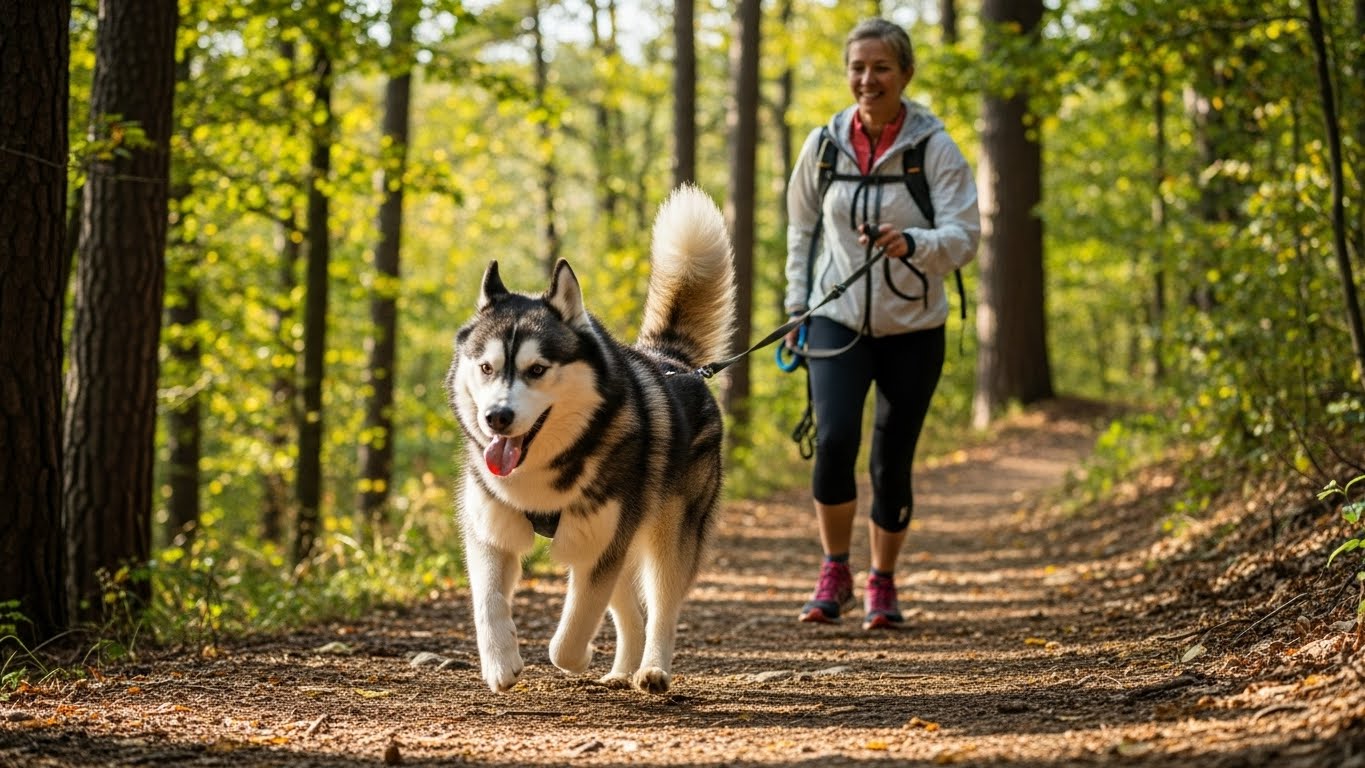
Walking a large dog that pulls on the leash can feel like holding onto a freight train. That’s why leash manners should be one of the first skills to master.
Start indoors, using treats to reward your dog for walking calmly beside you. Gradually move outdoors, introducing distractions slowly. If your dog pulls, stop walking until the leash loosens, then resume. This teaches them that pulling doesn’t get them anywhere — patience does.
A well-fitted harness, not a choke chain, gives better control without hurting your dog’s neck. For especially strong dogs, consider front-clip harnesses that discourage pulling by gently redirecting their chest toward you.
Socialization: The Secret Ingredient to a Well-Behaved Large Dog
Socialization helps your dog learn how to behave around people, other pets, and different environments. Without it, large dogs can become fearful, anxious, or even aggressive in unfamiliar settings.
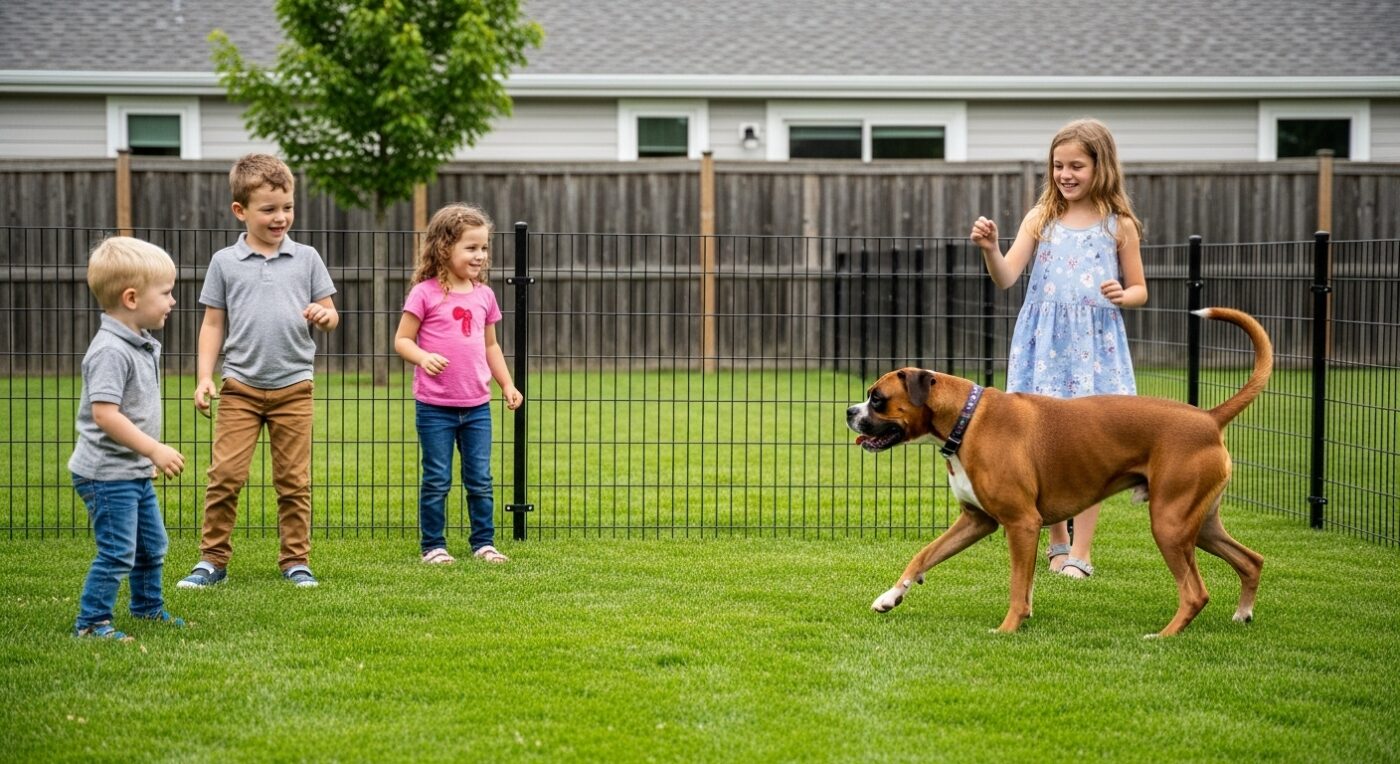
Expose your dog gradually to new experiences: park visits, vet trips, meeting friendly dogs, or spending time near children (under supervision). The goal is not to overwhelm them but to help them see the world as a safe place.
Reward calm, polite behavior during these interactions. Over time, your large dog learns confidence, not fear — making them a joy to take anywhere.
Exercise and Mental Stimulation
Large breeds need both physical and mental exercise. Without enough activity, they may develop destructive habits like chewing furniture or excessive barking.
Daily walks, playtime, and interactive toys are essential. But mental stimulation is just as important — puzzle feeders, obedience games, and scent work can tire your dog’s brain in healthy ways.
Remember, big dogs don’t need marathon runs every day. Too much high-impact activity while they’re still growing can harm developing joints. Choose balanced, low-impact exercises like swimming or fetch in soft grassy areas.
Addressing Common Behavior Challenges in Large Breeds
Even well-trained dogs have moments of rebellion. Some common issues include leash pulling, jumping, separation anxiety, and guarding behavior.
For jumping, teach your dog to greet calmly by keeping all four paws on the ground before receiving attention. If your dog struggles with separation anxiety, create a routine — short departures, comforting cues, and mental enrichment when alone can help.
Guarding behaviors (like growling near food or toys) should be addressed early with the help of a professional trainer. The goal isn’t to punish but to teach your dog that sharing resources leads to positive outcomes.
Consistency and Patience: The True Keys to Success
Training a large dog isn’t about dominance — it’s about teamwork. Consistency builds trust, and patience ensures long-term success. Avoid comparing your dog to others; every breed learns at a different pace.
Big dogs may take longer to mature mentally, but once trained, they rarely forget. Reinforce training throughout their life, not just during puppyhood. Dogs thrive on routine, and regular refreshers keep commands sharp.
Advanced Training Ideas for Smart Large Breeds
Once your dog masters the basics, consider advanced training to strengthen your bond. Many large breeds excel in agility, obedience competitions, tracking, or therapy work. These activities challenge their intelligence and provide structured fun.
Teaching advanced tricks like fetching specific items or responding to hand signals can also boost confidence. It’s not about perfection — it’s about engagement and joy. A mentally fulfilled large dog is a calm, balanced one.
When to Seek Professional Help
Sometimes, large dog behaviors go beyond what you can handle alone — and that’s okay. Certified dog trainers or behaviorists can provide personalized strategies, especially for issues like aggression, resource guarding, or anxiety.
Look for trainers who use positive reinforcement methods. Avoid anyone promoting punishment or “alpha” dominance theories — these outdated methods often worsen fear-based behavior.
Early intervention prevents small issues from becoming lifelong struggles. A professional’s insight can save time and strengthen your relationship with your dog.
Conclusion: A Lifetime of Loyalty Through Training
Training a large dog breed takes time, patience, and understanding — but the rewards are immeasurable. A well-trained big dog isn’t just obedient; they’re confident, safe, and deeply connected to you.
Through consistent positive training, proper exercise, and mutual respect, your large dog will grow into the loyal, loving companion you’ve always dreamed of.
Remember, training isn’t a one-time task — it’s a lifelong conversation between you and your best friend. Start today, stay patient, and enjoy every step of the journey together.
✅ FAQ
1. Are large dog breeds harder to train?
Not necessarily. Many large breeds are very intelligent and respond well to consistent training. Their size just makes proper training more important.
2. When should I start training a large breed puppy?
Start at 8–10 weeks with basic commands, socialization, and leash training.
3. How long should training sessions be?
Short, focused sessions of 10–12 minutes, 2–4 times per day.
4. Can I train an adult large dog?
Absolutely. Adult dogs learn well with positive reinforcement and consistency.
5. What is the biggest mistake owners make with large breeds?
Allowing behaviors like jumping or pulling “because they’re young.” Small behaviors become big problems.