
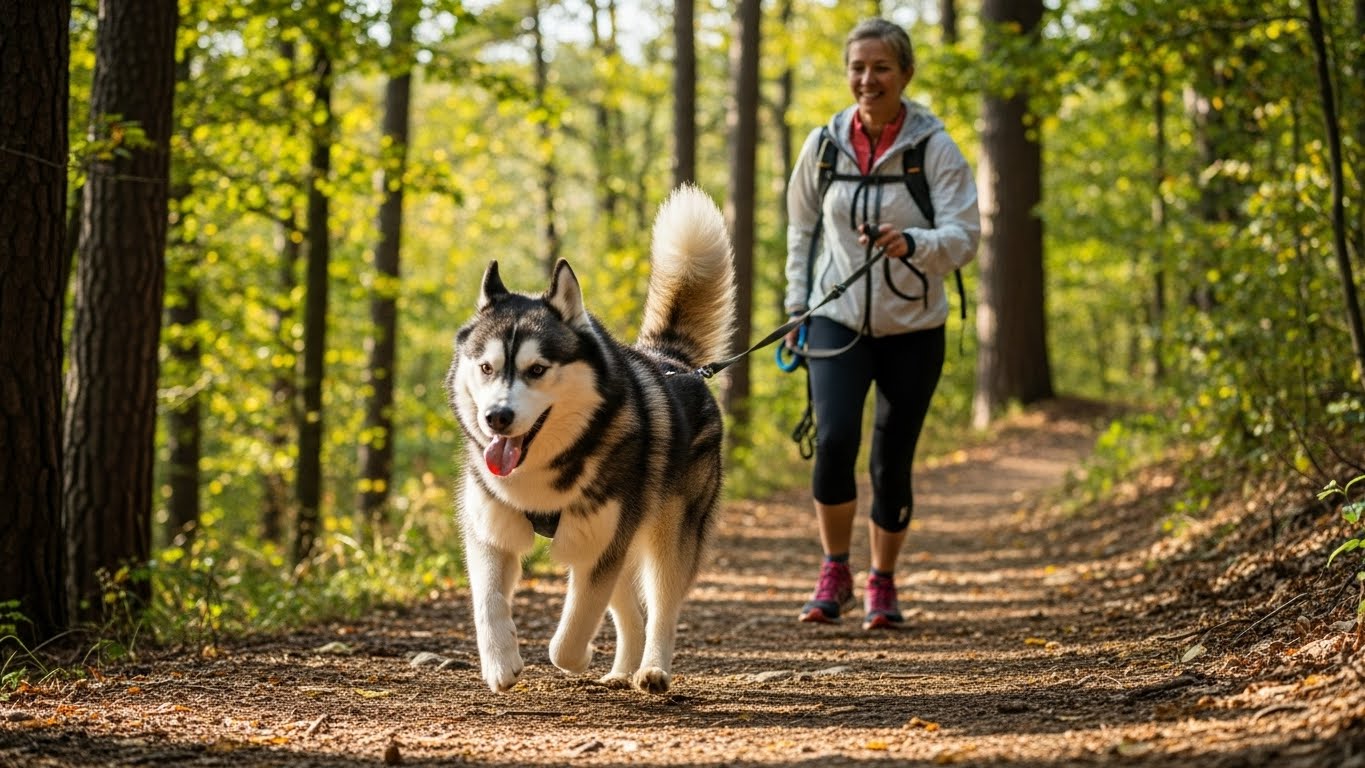
Siberian Huskies are one of the most recognizable dog breeds in the world. With their piercing blue eyes, wolf-like appearance, and energetic personalities, Huskies capture attention wherever they go. But beneath their striking looks lies a breed with very specific needs that not every dog owner is prepared for.
Owning a Husky is not just about aesthetics—it’s about understanding their temperament, exercise requirements, intelligence, and health risks. This ultimate Husky dog breed guide is designed to help current and future owners decide whether this spirited, intelligent breed is the right match for their lifestyle and how to care for them properly if it is.
Origin and History of the Siberian Husky
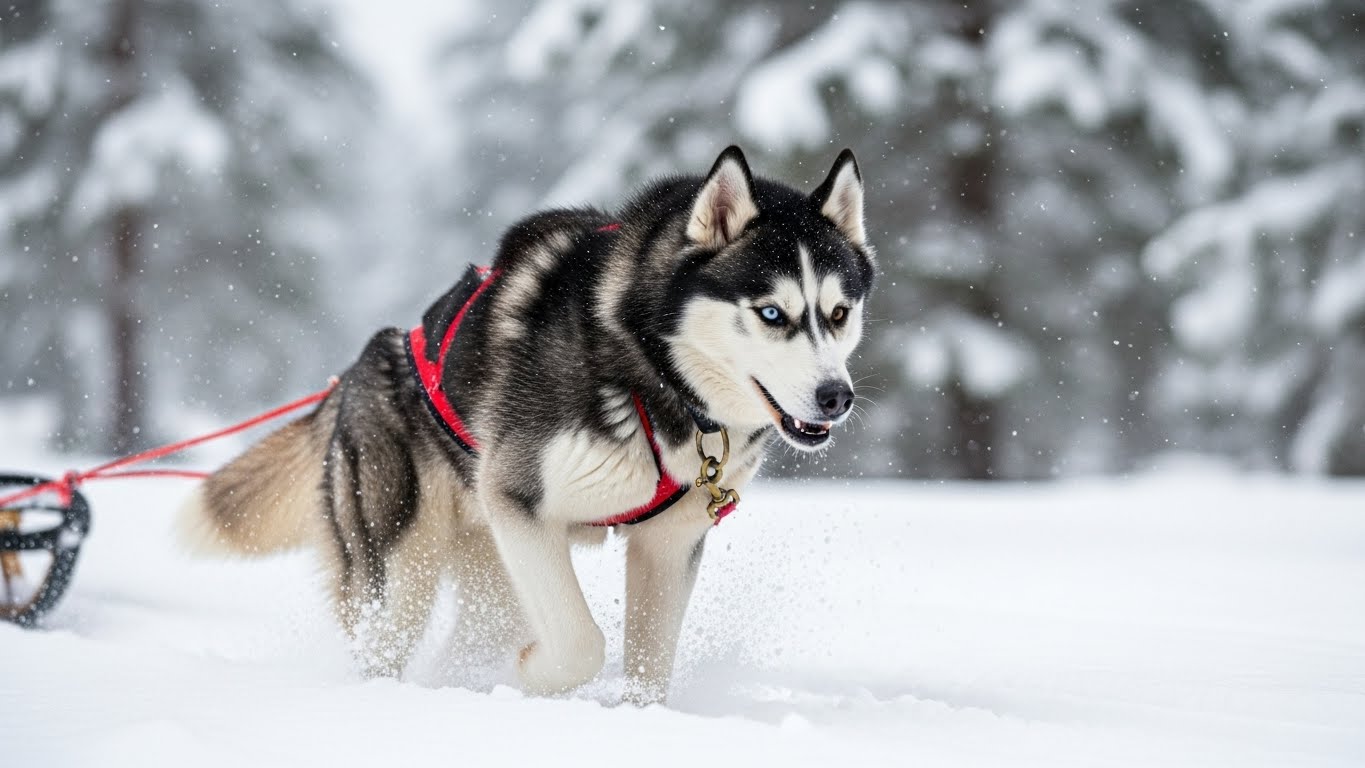
The Siberian Husky originated in Northeast Asia, where the Chukchi people bred them for endurance sled pulling across long distances in harsh Arctic conditions. These dogs were valued not only for their strength but also for their ability to work closely with humans while remaining gentle and sociable.
Huskies were later introduced to Alaska during the early 1900s for sled racing and gained worldwide recognition after playing a crucial role in the 1925 serum run to Nome. This history explains much of the Husky’s personality today—independent, resilient, social, and incredibly energetic.
Husky Appearance and Physical Characteristics
Siberian Huskies are medium-sized working dogs with a well-balanced, athletic build. Adult males typically weigh between 45 and 60 pounds, while females range slightly smaller. Their thick double coat protects them from extreme cold and sheds heavily twice a year.
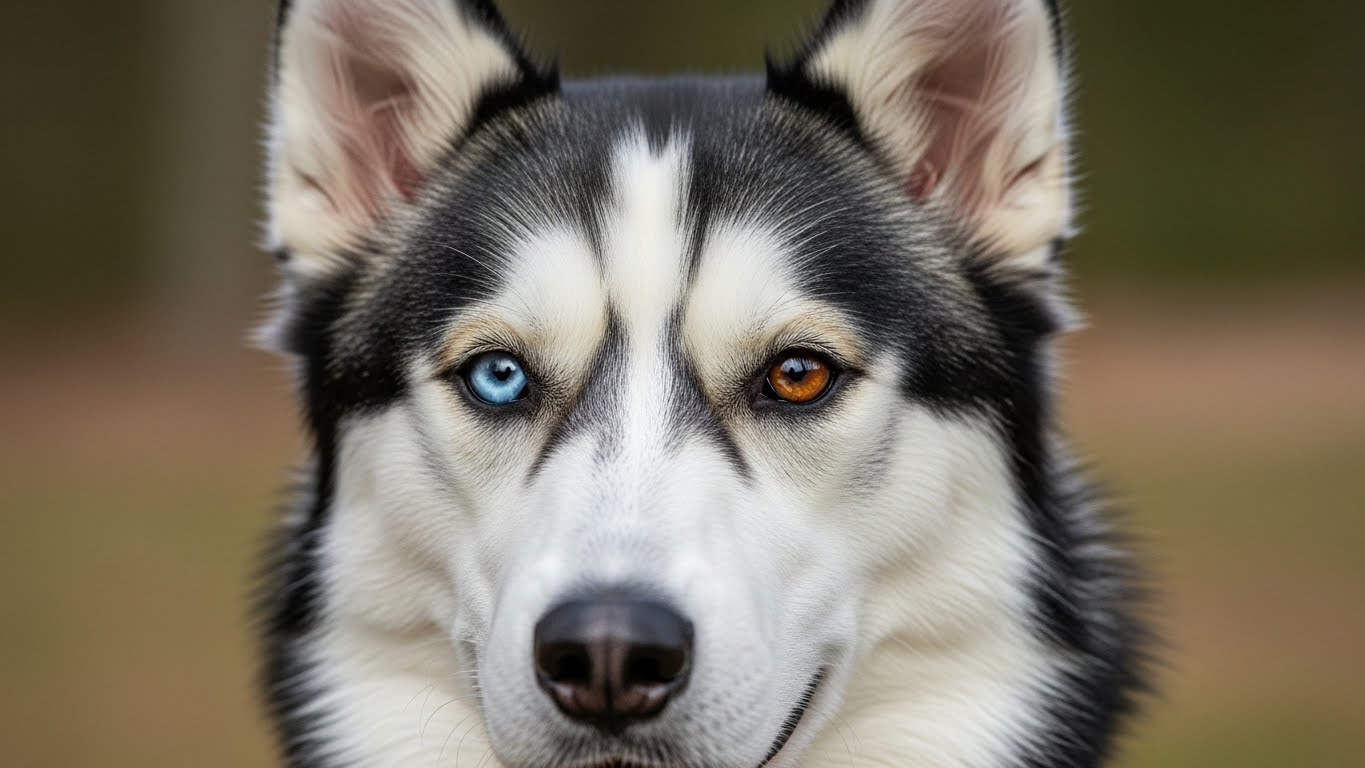
One of the breed’s most striking features is their eyes. Huskies can have blue, brown, green, or even one of each—a condition known as heterochromia. Their erect ears, bushy tail, and expressive facial markings contribute to their wolf-like look, which often leads people to underestimate how friendly they truly are.
Husky Temperament and Personality
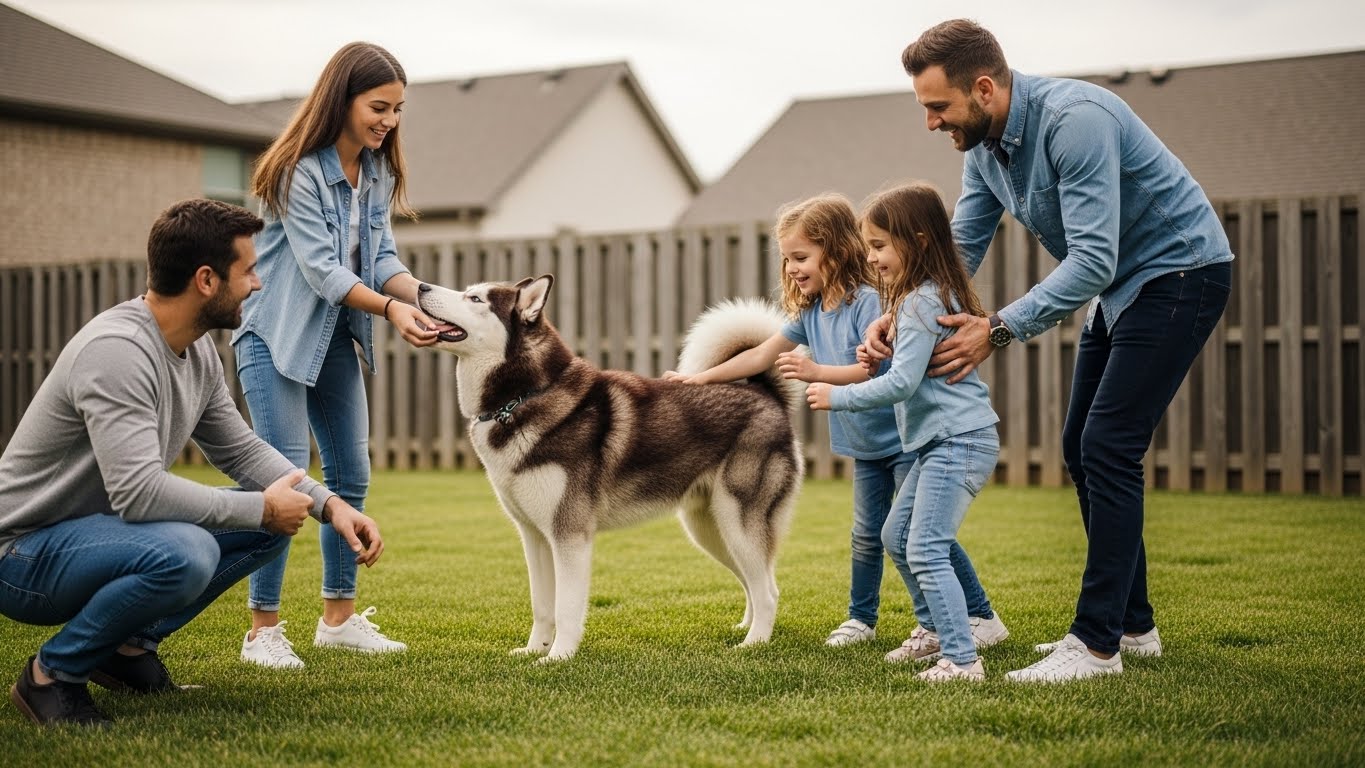
Huskies are known for being affectionate, playful, and highly social. They thrive on companionship and tend to bond closely with their families. However, they are not typical “people-pleaser” dogs. Their independent streak can make them stubborn, especially during training.
Unlike guard dogs, Huskies are generally friendly toward strangers. Their outgoing nature makes them poor watchdogs but excellent family companions. They are vocal dogs and often “talk” through howls, whines, and expressive sounds rather than traditional barking.
Because Huskies were bred to work in packs, they do best in homes where they are not left alone for long periods. Isolation can lead to destructive behaviors driven by boredom or anxiety.
Exercise Needs and Activity Level
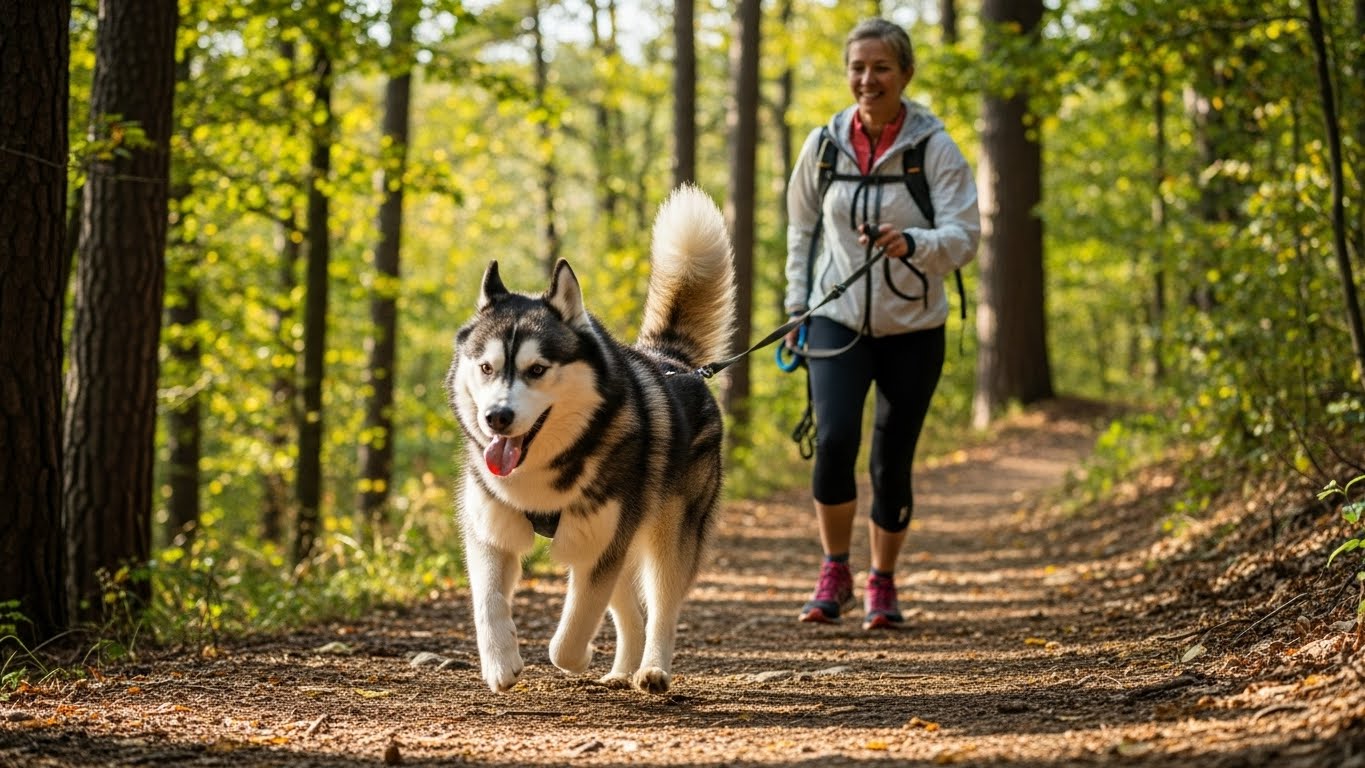
Huskies are high-energy dogs that require consistent physical and mental stimulation. A short daily walk is not enough for this breed. They need vigorous exercise, such as running, hiking, or interactive play, to stay balanced and happy.
Without adequate activity, Huskies may resort to digging, chewing, or escaping. Their strong prey drive and love for running mean they should always be exercised in secure areas or on a leash.
Mental enrichment is just as important as physical exercise. Puzzle toys, training sessions, and scent-based games help keep their intelligent minds engaged.
Training a Husky: What Owners Should Expect
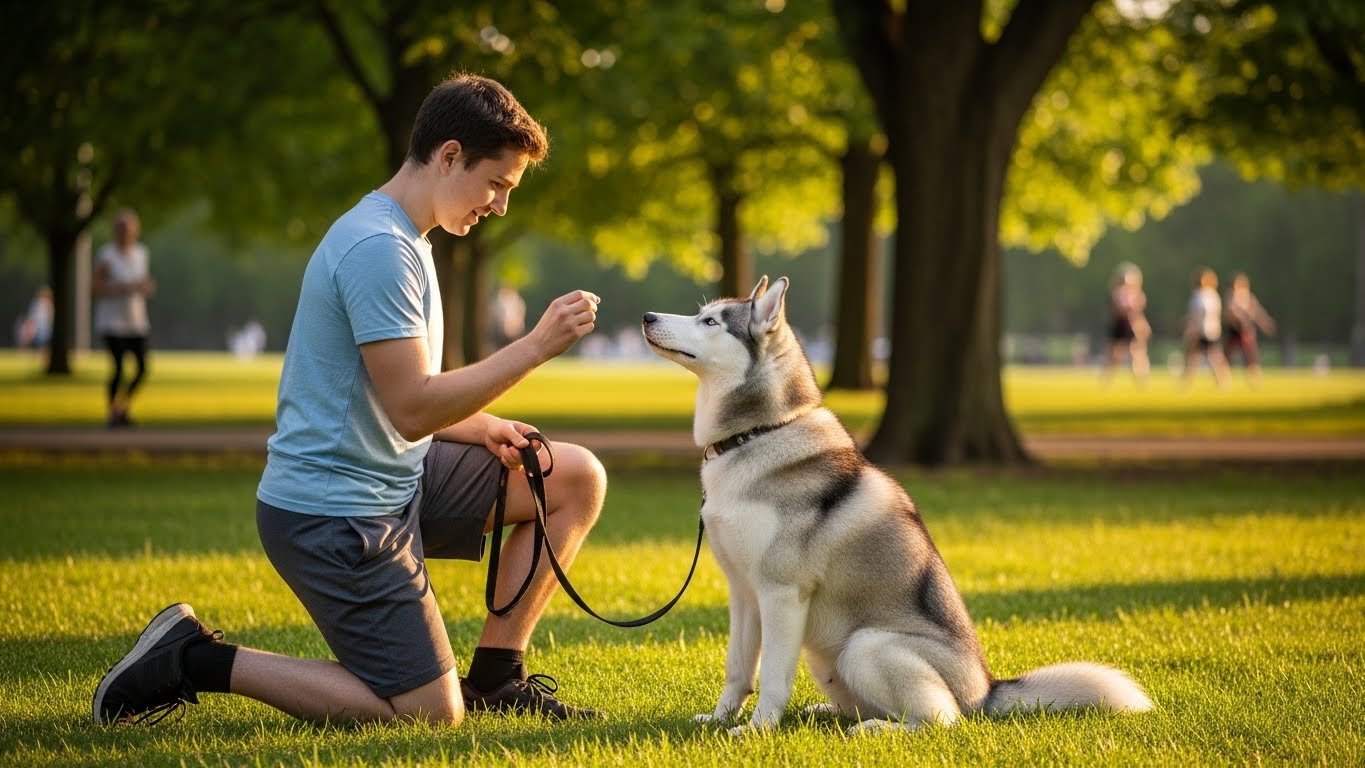
Training a Husky can be both rewarding and challenging. They are intelligent dogs, but their independence means they don’t always see the value in repeating commands. Consistency, patience, and positive reinforcement are essential.
Harsh training methods do not work well with Huskies and can damage trust. Instead, short, engaging training sessions using treats and praise produce the best results. Early socialization and obedience training are especially important to prevent behavioral issues later in life.
Recall training can be difficult due to their instinct to run, which is why many Husky owners avoid off-leash activities in unfenced areas.
Grooming and Coat Care
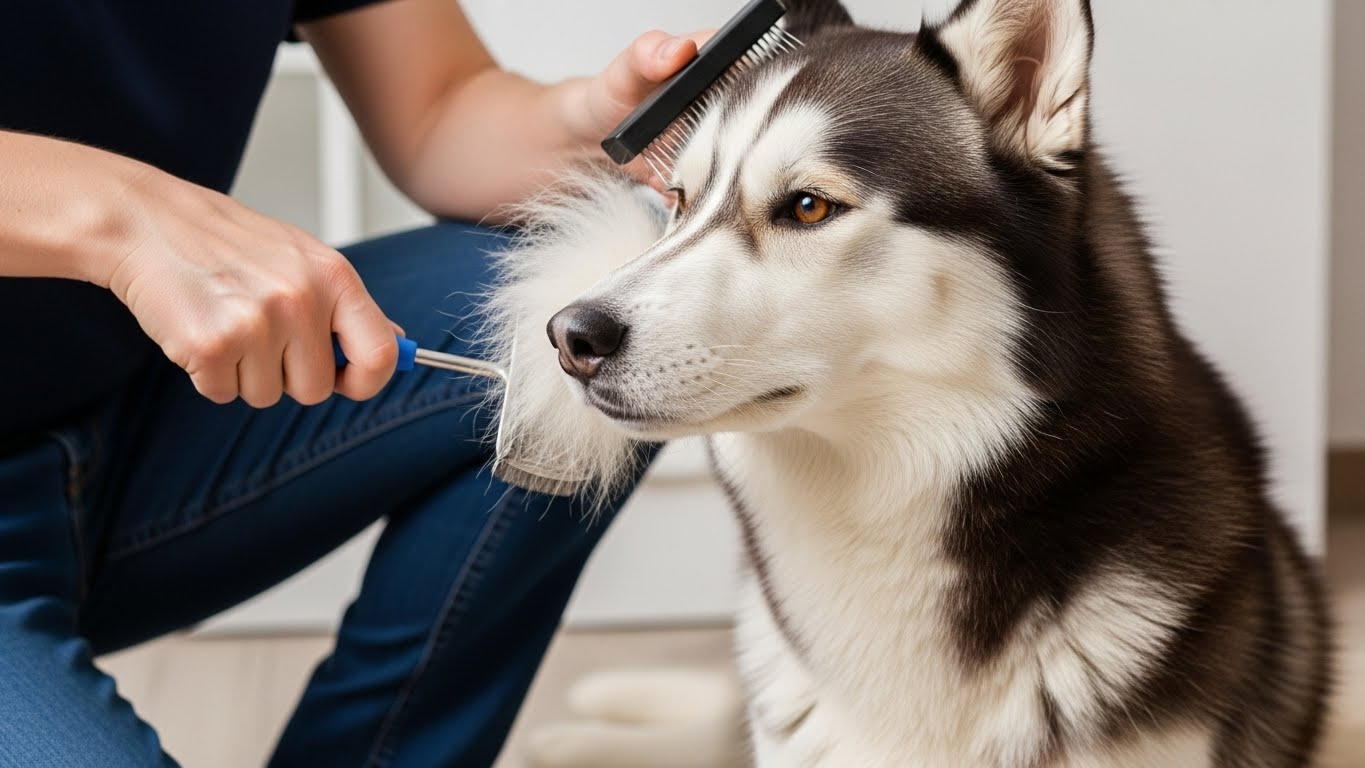
Despite their thick coats, Huskies are surprisingly clean dogs with little odor. They do not require frequent bathing, but regular brushing is essential—especially during seasonal shedding periods known as “blowing coat.”
During these times, daily brushing helps manage loose fur and keeps the coat healthy. Investing in a quality deshedding tool can make grooming much easier.
Their nails, ears, and teeth should also be maintained regularly to prevent infections and discomfort.
Common Health Issues in Huskies
Siberian Huskies are generally healthy dogs, but like all breeds, they are prone to certain genetic conditions. Hip dysplasia can occur, though it is less common than in larger breeds. Eye conditions such as cataracts and progressive retinal atrophy are more prevalent and should be monitored.
Huskies can also be sensitive to heat due to their thick coats. Owners in warm climates must ensure proper hydration, shade, and avoid exercising during peak temperatures.
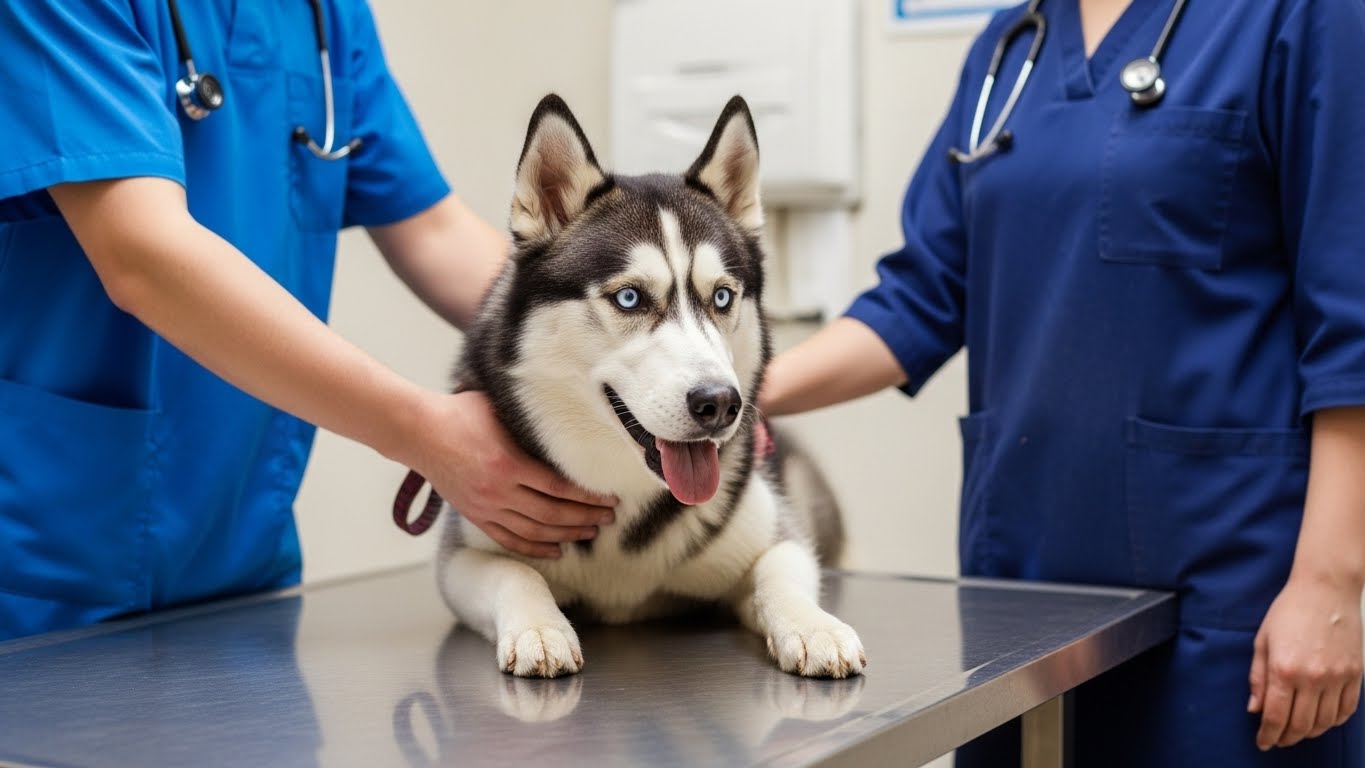
Regular veterinary checkups and responsible breeding practices greatly reduce the risk of serious health problems.
Diet and Nutrition for Huskies
Huskies have an efficient metabolism and often require less food than other dogs of similar size. Overfeeding can lead to obesity, which places stress on their joints and organs.
A high-quality, protein-rich diet supports their active lifestyle. Portion control and consistent feeding schedules are key, especially for less active Huskies.
Fresh water should always be available, particularly after exercise or in warm weather.
Is a Husky the Right Dog for You?
Huskies are best suited for active individuals or families who enjoy outdoor activities and can dedicate time to training and exercise. They are not ideal for first-time dog owners who prefer low-maintenance breeds.
If you’re willing to meet their physical and emotional needs, Huskies reward their owners with loyalty, affection, and endless personality.
FAQ: Siberian Husky Dog Breed
Are Huskies good family dogs?
Yes, Huskies are affectionate and friendly, making them great family dogs when properly trained and exercised.
Do Huskies shed a lot?
Yes, they shed heavily twice a year during seasonal coat changes and require regular brushing.
Can Huskies live in apartments?
Huskies can live in apartments only if their exercise needs are fully met every day.
Are Huskies aggressive?
Huskies are generally not aggressive and are known for being friendly toward people and other dogs.
Final Thoughts
The Siberian Husky is a breathtaking breed with a big personality to match its looks. While they require commitment, structure, and plenty of activity, they offer companionship, intelligence, and unforgettable charm in return.
Understanding the breed before bringing one home is the key to a successful, lifelong bond. With the right care, training, and environment, a Husky can become one of the most rewarding companions you’ll ever have.