Traveling with your dog can be one of life’s greatest joys — the open road, the wind through the windows, and the excitement of new places. But if you’re a proud owner of a large dog breed like a Labrador, Great Dane, or German Shepherd, hitting the road comes with a few extra challenges.
Their size means they need more space, comfort, and planning to ensure the journey is safe and enjoyable. Whether you’re taking a weekend getaway or a cross-country trip, understanding how to travel with a large dog can turn a stressful experience into an adventure both of you will love.
This complete guide will walk you through everything you need to know about traveling with large dog breeds — including transportation safety, packing essentials, dog-friendly accommodations, and tips to reduce anxiety during the trip.
Understanding the Needs of Large Dog Breeds When Traveling
Large dogs are majestic, loyal companions, but their physical size and temperament mean they have unique travel requirements. Unlike small breeds that fit neatly into carriers, big dogs often need extra space to stretch, rest, and stay calm. Their joints and bones are more prone to stress, so long hours in cramped areas can cause stiffness or discomfort.
Some large breeds also get anxious during travel due to changes in environment or routine. Dogs like German Shepherds or Dobermans are highly sensitive to new stimuli, and without proper preparation, they might become restless, bark excessively, or refuse to eat. Understanding your dog’s emotional and physical limits before traveling is the first step to a smooth journey.
Preparing Your Large Dog for Travel
Before you set off on your trip, preparation is everything. A week or two before departure, start helping your dog adjust to the idea of travel. Take them on short car rides to familiarize them with motion and the sounds of travel. Praise calm behavior with treats or gentle words to create positive associations.
If your destination requires air travel, visit the vet beforehand for a complete health check. Make sure vaccinations are up to date and ask your vet for advice on motion sickness or anxiety management. Some dogs may benefit from mild sedatives or calming supplements, but never give medication without veterinary guidance.
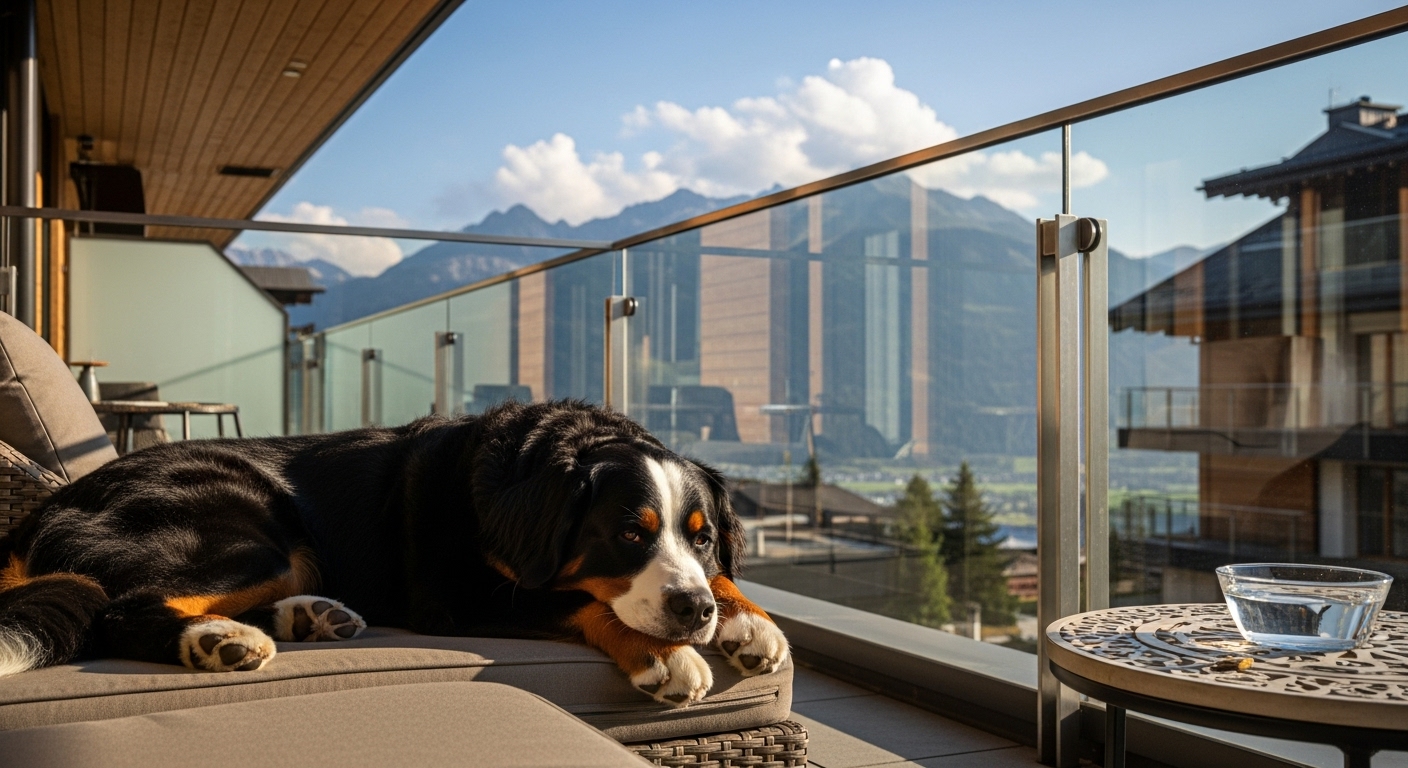
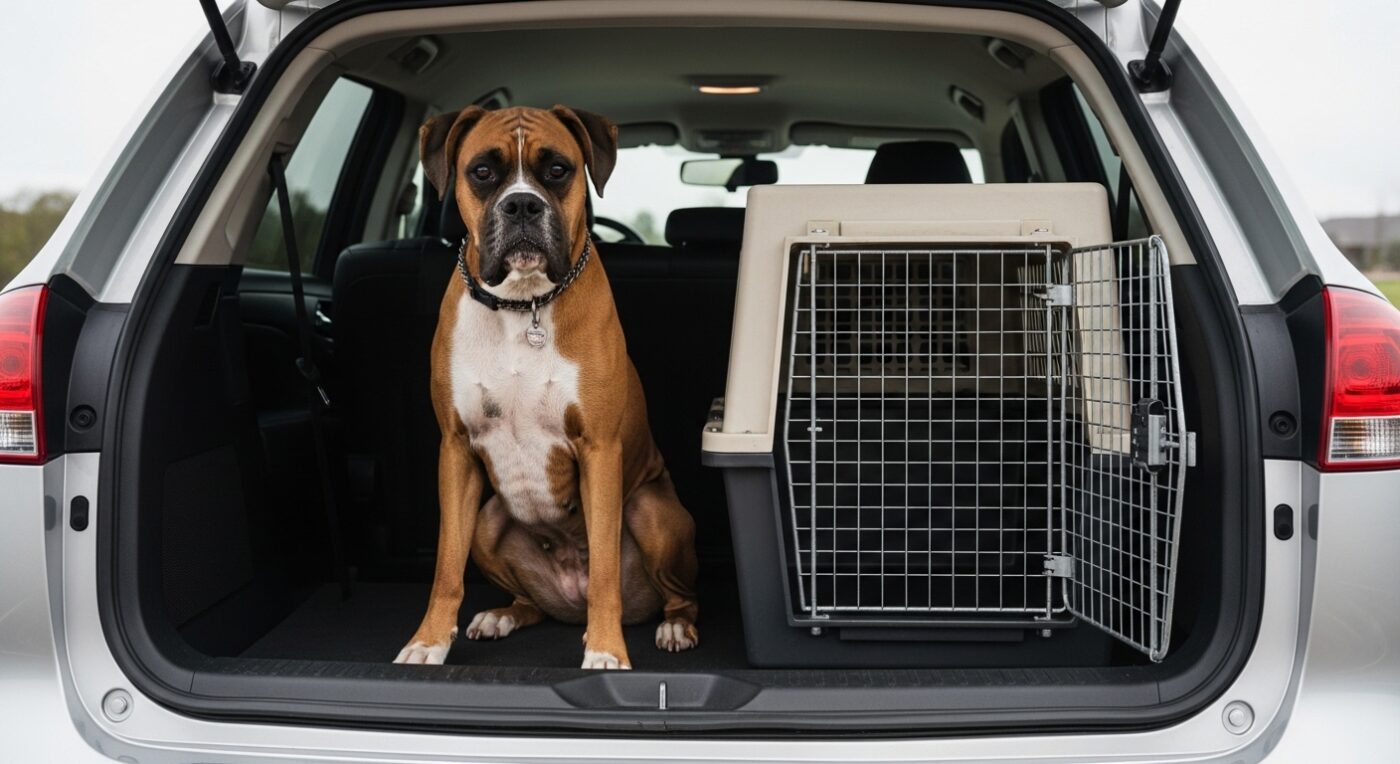
For road trips, ensure your vehicle setup accommodates your dog’s size. Large breeds like Bernese Mountain Dogs or Rottweilers need enough space to lie down comfortably without being cramped. A sturdy crate, travel harness, or car hammock made for big dogs will keep them safe in case of sudden stops.
Choosing the Right Transportation Option
1. Traveling by Car
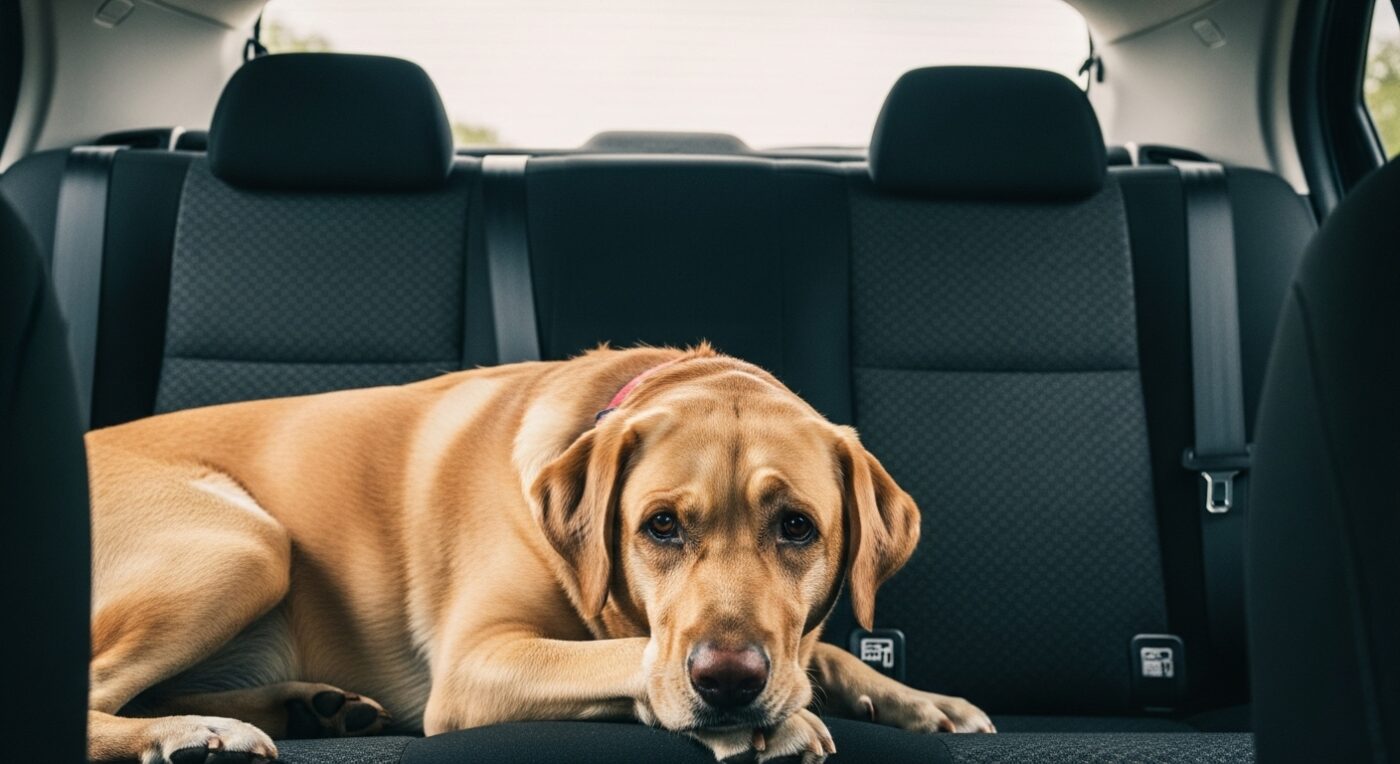
Car trips are often the most comfortable way to travel with a large dog. You can stop frequently, adjust the temperature, and control the environment. Still, preparation matters. Keep the car cool and well-ventilated, and bring along a portable water bowl for regular hydration breaks.
Avoid letting your dog roam freely inside the vehicle. A secured harness or crate keeps them safe and minimizes distractions. During rest stops, let your dog stretch and relieve itself every two to three hours. Use shaded areas when possible to prevent overheating, especially for thick-coated breeds like Newfoundlands or Huskies.
2. Traveling by Plane
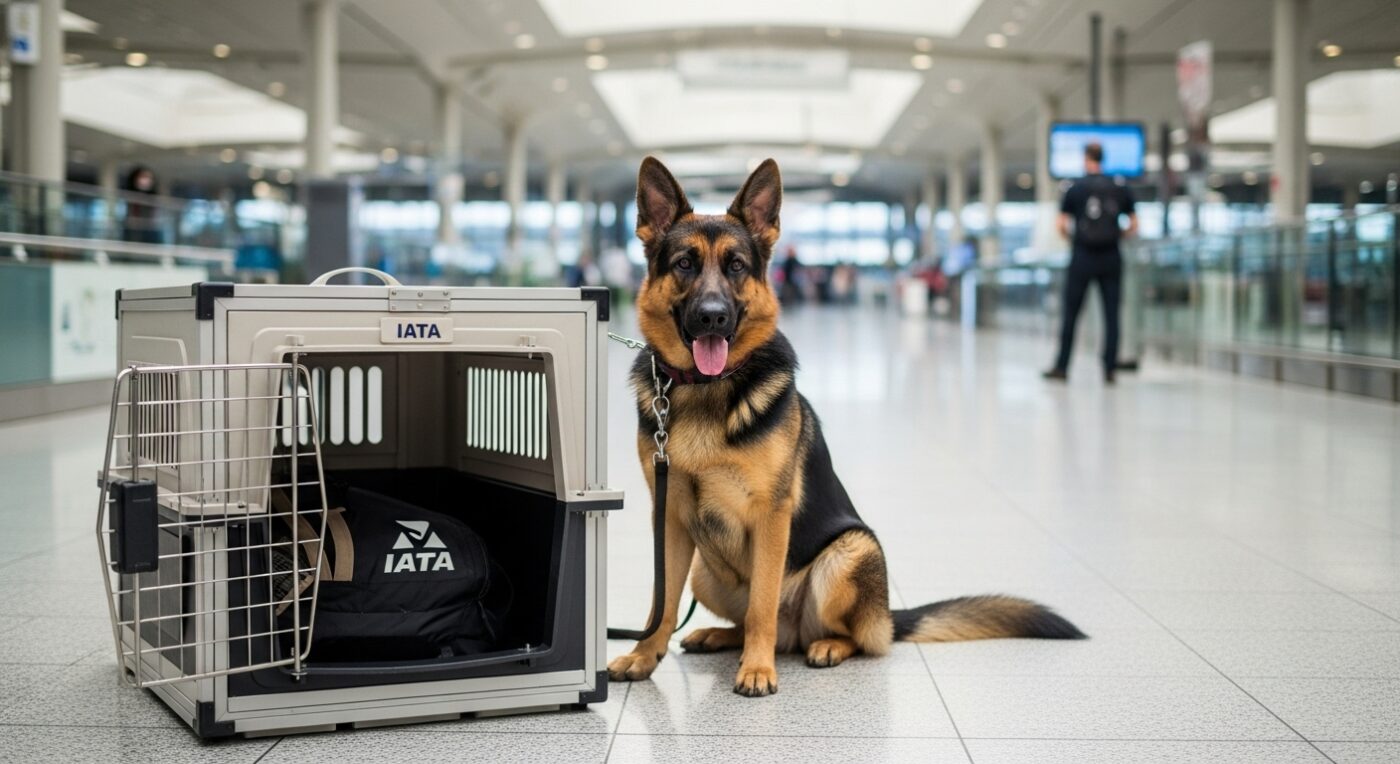
Flying with a large dog requires more planning. Most airlines only allow small pets in the cabin, while large breeds must fly in the cargo hold in an airline-approved crate. This can be stressful for dogs, so it’s essential to prepare both mentally and physically.
Use a high-quality, well-ventilated travel crate that meets airline specifications. Line it with absorbent bedding and attach a water dispenser to keep your dog hydrated. Before the flight, take your dog for a long walk to burn off energy, and avoid feeding them a full meal within four hours of departure to reduce nausea.
Always check the airline’s pet policy ahead of time. Some airlines restrict travel for certain breeds or during hot weather. Reputable sources like the American Kennel Club’s pet travel guide offer detailed advice on choosing dog-friendly airlines and understanding regulations.
3. Traveling by Train or Bus
While not as common, some train lines in the U.S. and Europe allow dogs on board. However, large breeds often face restrictions. If you’re traveling internationally, check transportation policies in advance. In many cases, car or RV travel remains the most convenient and comfortable option for large dogs.
Packing Essentials for Large Dog Travel
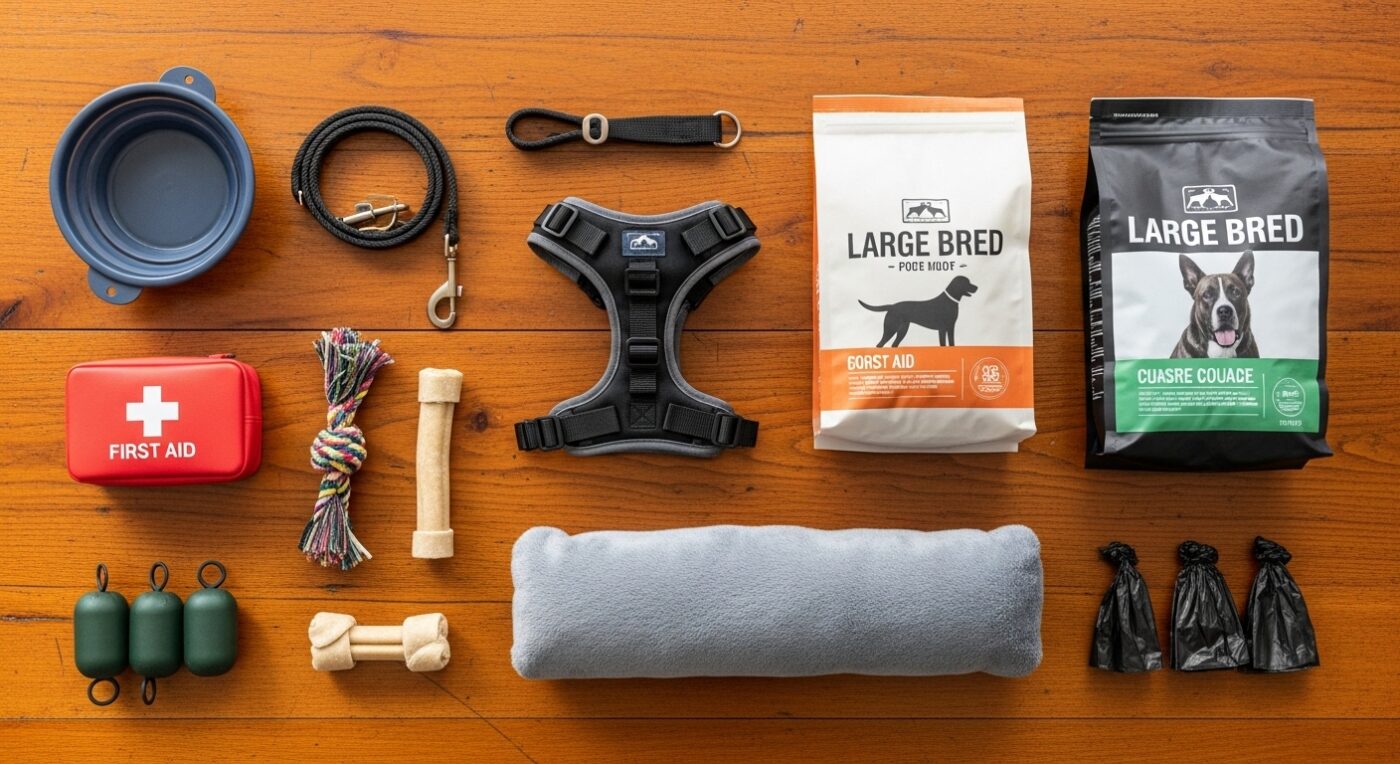
Packing for your dog is as important as packing for yourself. Large breeds have higher hydration needs and eat more food, so plan accordingly. Bring a generous supply of their regular dog food to avoid stomach upsets from sudden dietary changes.
You’ll also need a travel water bowl, leash, collar with ID tags, and waste bags. A first-aid kit designed for pets is essential, including antiseptic wipes, bandages, and any prescribed medications. Bring a favorite blanket or toy to provide comfort in unfamiliar surroundings.
When traveling to colder climates, short-coated breeds like Boxers or Great Danes may need an extra layer such as a dog coat. Conversely, for summer travel, ensure your dog has access to shade, fresh water, and cooling mats to prevent heatstroke.
Finding Dog-Friendly Accommodations
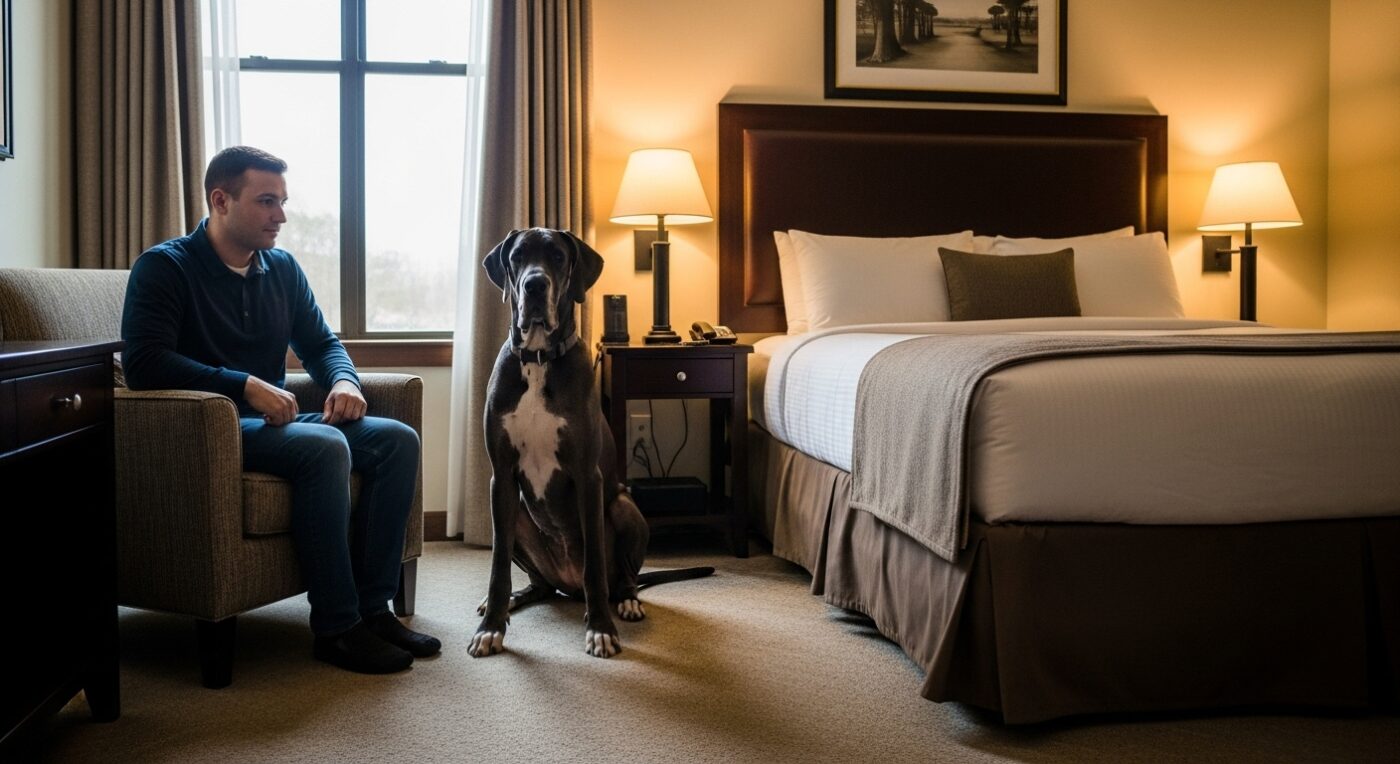
One of the biggest challenges of traveling with a large dog is finding hotels or rentals that welcome them. Fortunately, many chains now cater to pet owners. Before booking, check for size restrictions and pet fees, as some hotels charge extra for dogs over a certain weight.
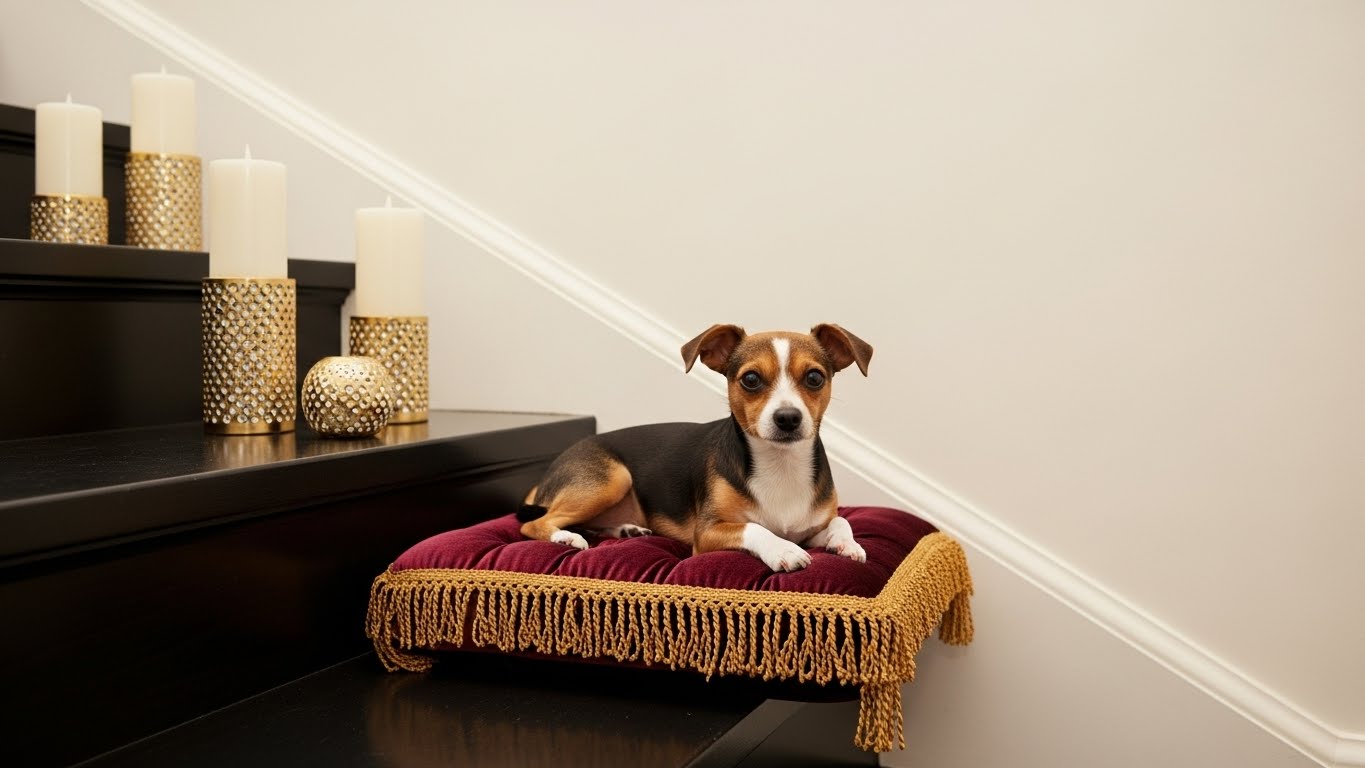
Websites like BringFido and PetsWelcome make it easy to locate dog-friendly accommodations across the country. Choose rooms on the ground floor whenever possible to make bathroom breaks easier. Always bring your own pet bedding and avoid letting your dog sleep on hotel furniture to maintain cleanliness and avoid fines.
If you’re renting an Airbnb or vacation cabin, reach out to the host to confirm their pet policy. Some properties may allow pets but require extra cleaning fees or limit the number of dogs per stay.
Keeping Your Large Dog Calm and Comfortable on the Road
Travel can be stressful for dogs, especially large breeds that thrive on routine. Keep the atmosphere calm by playing soft music, speaking gently, and taking frequent breaks. Avoid punishing or scolding your dog if it appears nervous — this only reinforces anxiety.
Bring along familiar items from home, like a favorite toy or blanket, to help them feel secure. Regular hydration and bathroom breaks will keep your pet relaxed and prevent restlessness. Some owners find that using natural calming aids like lavender spray or CBD chews helps reduce stress during long drives.
If your trip involves staying overnight, maintain as much of your dog’s normal routine as possible. Feed and walk them at the same times they’re used to. Consistency helps large breeds adapt to new environments without behavioral changes.
Health and Safety Tips While Traveling
Before embarking on your trip, visit your vet for a travel check-up. Ask about motion sickness prevention, joint supplements for long trips, and flea or tick protection if you’re heading to outdoor destinations.
Keep your dog’s medical records and vaccination certificates on hand — many hotels, parks, and airlines require proof of vaccination. Microchipping is strongly recommended, as large dogs can wander off easily in unfamiliar areas.
Avoid overexertion during travel. While it’s tempting to let your dog run freely at every rest stop, large breeds with joint sensitivity need controlled activity. Focus on short, gentle walks rather than vigorous exercise right away.
Traveling with Large Dogs in Different Seasons
Summer Trips
Large dogs can overheat quickly, especially breeds with thick coats. Keep your vehicle well-ventilated and never leave your dog alone inside a parked car. Offer water frequently and plan your walks early in the morning or late in the evening when temperatures are cooler.
Winter Travel
Cold weather affects short-haired large breeds more than people think. Breeds like Dobermans or Greyhounds can get chilled easily. Pack warm bedding and dog jackets for outdoor adventures. Check their paws for salt or ice buildup after walks.
Enjoying Outdoor Adventures Together
One of the best parts of traveling with a large dog is exploring nature together. Many national parks and trails now have designated pet-friendly zones. Before heading out, review park regulations to ensure dogs are permitted and leashes are required.
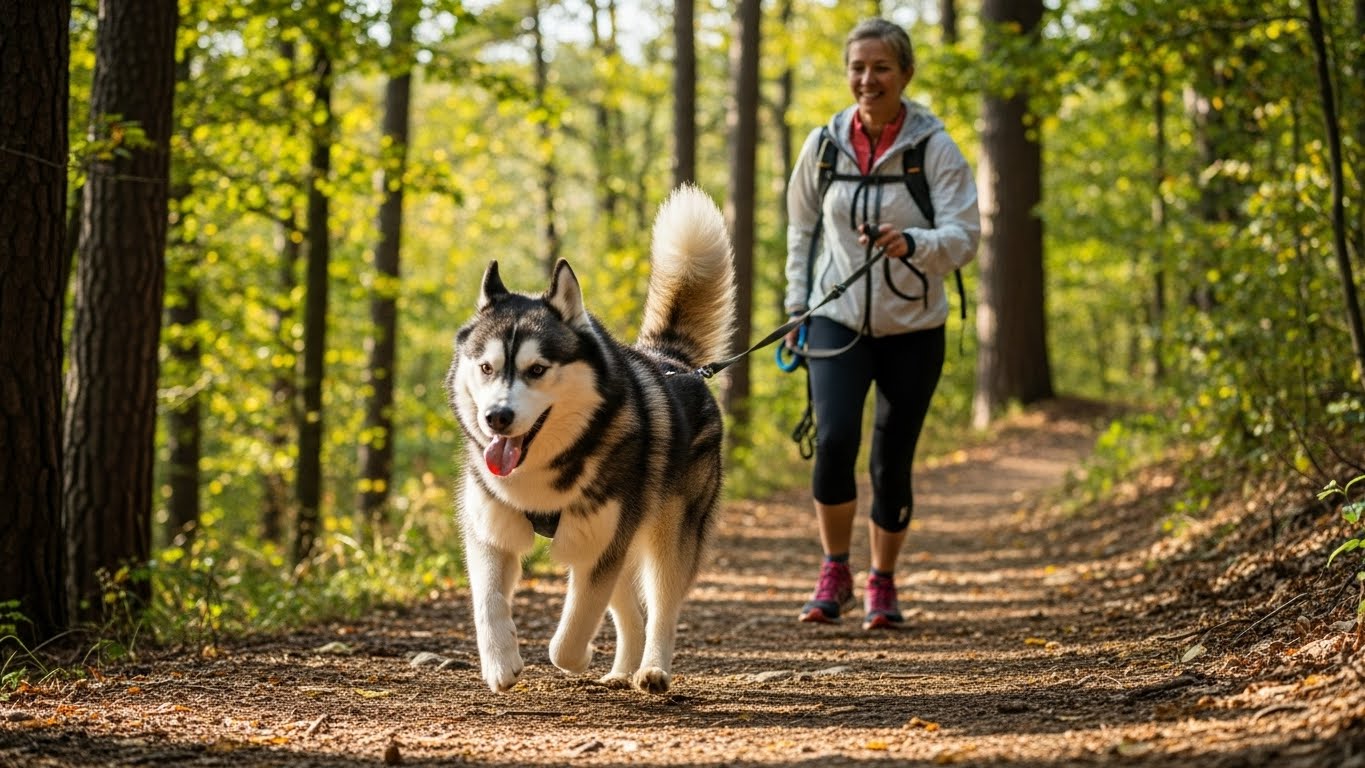
Large breeds often love outdoor adventures — from hiking and camping to swimming. Always carry enough water for both of you and watch for signs of fatigue or overheating. For camping trips, ensure your tent is spacious enough for your dog to stretch comfortably.
Returning Home After Travel
After returning home, give your dog time to rest and readjust to its familiar surroundings. Monitor for any signs of dehydration, upset stomach, or joint soreness, especially after long drives. A warm bath and a calm day at home can help them recover quickly.
Reflect on what went smoothly and what could be improved for your next trip. Traveling with a large dog gets easier over time as both of you learn each other’s needs and rhythms.
Conclusion: Making Memories with Your Gentle Giant
Traveling with a large dog requires patience, planning, and a sense of humor — but the rewards are worth it. Watching your dog’s tail wag as you explore new places together is pure joy. By understanding their physical needs, staying organized, and prioritizing comfort, you can ensure every trip becomes a cherished memory.
From road trips to mountain hikes, your large dog is more than just a passenger — they’re your adventure partner. So pack the essentials, plan ahead, and hit the road with confidence. Life’s best journeys are the ones shared with your four-legged friend by your side.
FAQ About Traveling with Large Dog Breeds
1. How long can a large dog stay in the car during a trip?
Dogs should have a break every two to three hours for exercise, water, and bathroom relief. Never leave your dog unattended in a parked car, especially in warm weather.
2. Do airlines allow large dog breeds to fly in the cabin?
Most airlines do not, due to size restrictions. Large dogs typically fly in the cargo hold in approved travel crates. Always confirm airline policies before booking.
3. How do I help my dog stay calm during travel?
Familiarize them with short trips, use calming treats or sprays, and bring familiar items like their favorite blanket or toy to reduce anxiety.
4. What’s the best car setup for traveling with large dogs?
Use a backseat harness, dog hammock, or large crate for safety and comfort. Ensure proper airflow and temperature control throughout the ride.
5. Are large dogs welcome in hotels?
Many hotels accept dogs but may have size or weight restrictions. Always confirm before booking, and bring your own pet bedding to keep the room clean.